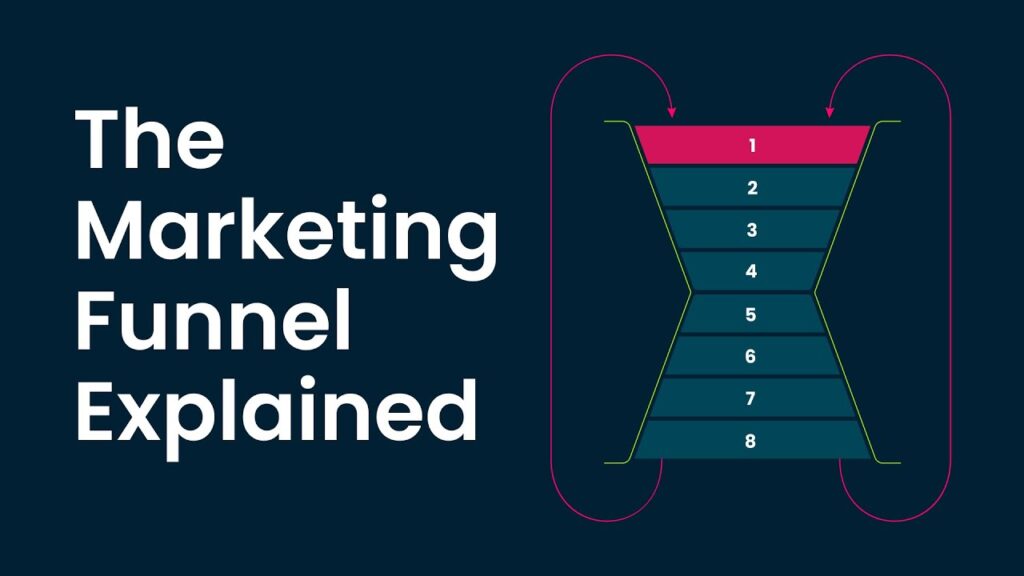
A marketing funnel is a model that visualizes the customer’s journey from their first point of awareness with your brand to the final purchase and beyond. Understanding this process is crucial for businesses to effectively guide potential customers, optimize marketing strategies, and increase conversion rates. By mapping out each stage, companies can identify where prospects drop off and implement targeted tactics to nurture them toward becoming loyal customers and brand advocates. This comprehensive guide will explain what a funnel in marketing is, its importance, stages, and how to optimize it for success.
What is a Marketing Funnel and Why is it Important?
To truly grasp the power of this concept, we need to look beyond a simple definition. It’s about understanding the psychology of your customer and creating a structured path that addresses their needs at every step.
Defining the Marketing Funnel: A Customer Journey Blueprint
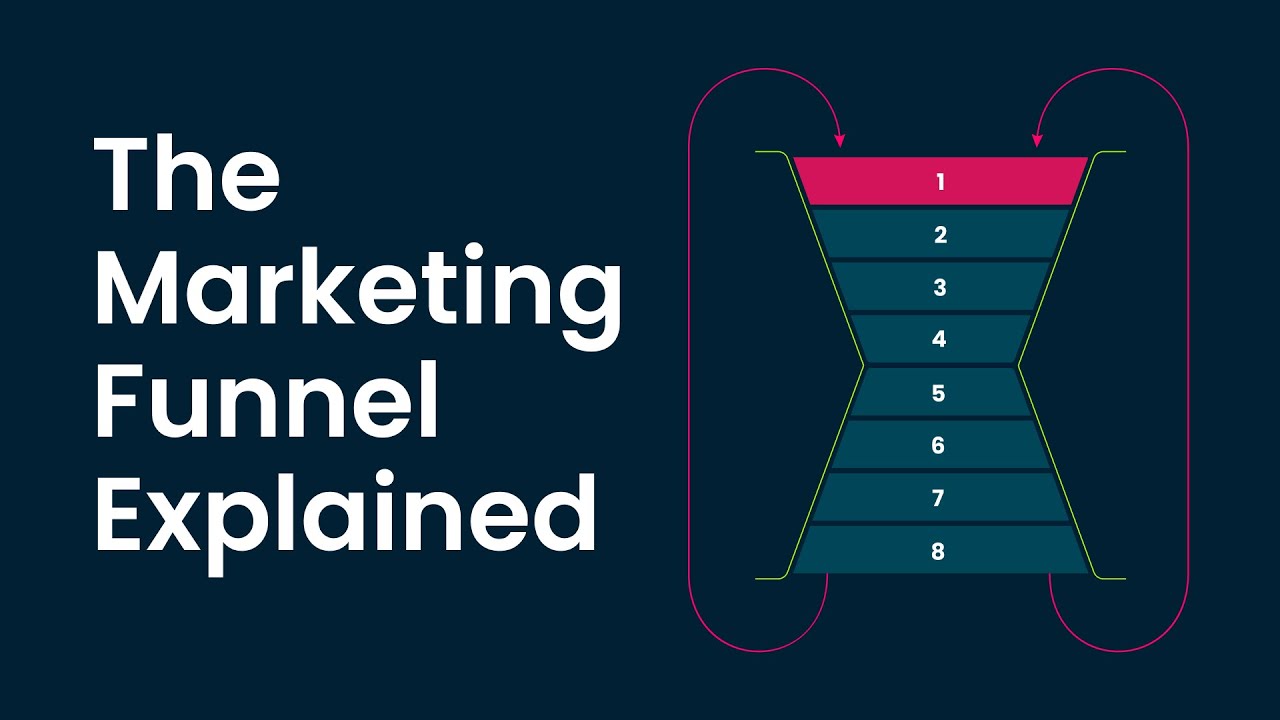
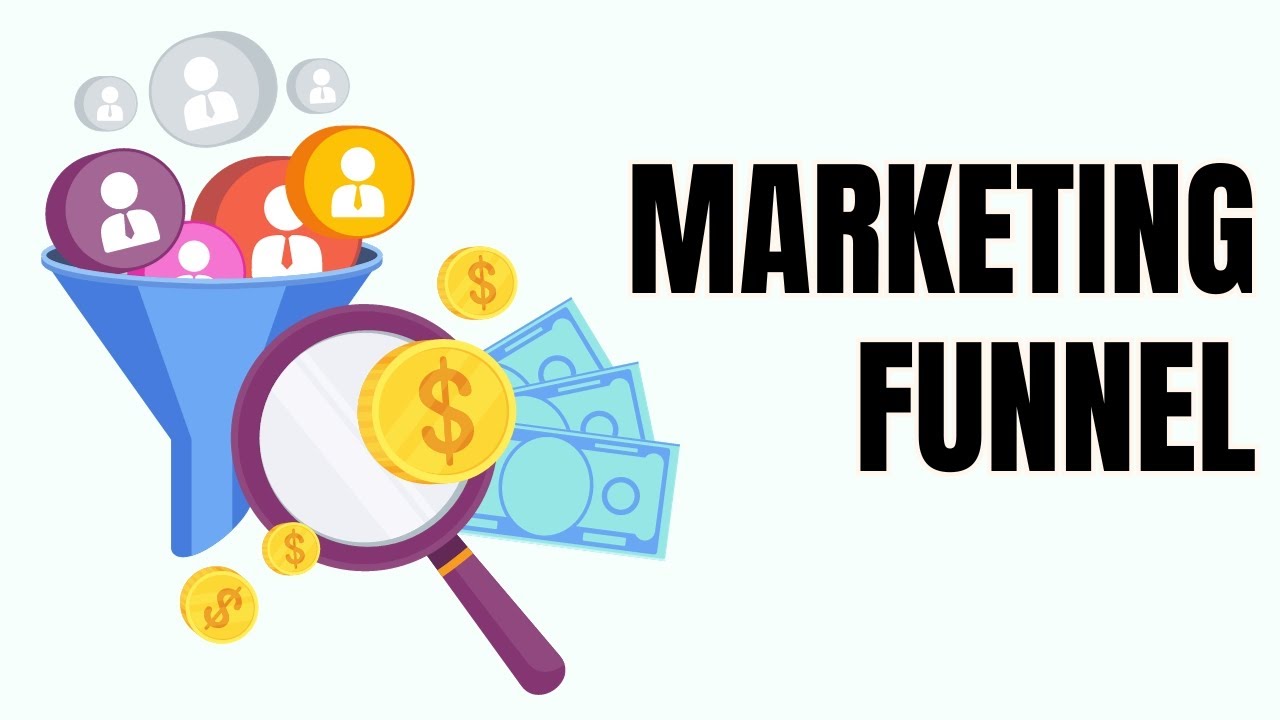
A marketing funnel, also known as a purchase funnel, is a strategic framework that maps the ideal journey a prospect takes to become a customer. It’s called a “funnel” because, at the top, you have a large number of people who are aware of your brand (a wide opening), and as they move through the stages, that number narrows down to the smaller group that ultimately makes a purchase (a narrow exit).
This model provides a clear blueprint for your entire marketing strategy. It helps you organize your activities, from content marketing and SEO to paid campaigns, ensuring every effort has a specific purpose aligned with a particular stage of the customer journey.
The Core Benefits: Driving Sales and Building Brand Awareness
Implementing a well-structured marketing funnel is essential for sustainable growth. The primary benefit is its ability to create a predictable and scalable sales process. Instead of sporadic sales, you build an engine that consistently generates and nurtures leads.
Moreover, a full-funnel strategy significantly boosts brand awareness. By creating valuable content for the top of the funnel, you attract a wide audience, establishing your brand as a helpful authority in your industry long before a prospect is ready to buy. This builds trust and keeps your business top-of-mind.
Marketing Funnel vs. Sales Funnel: Understanding the Key Differences
The terms “marketing funnel” and “sales funnel” are often used interchangeably, but they represent different, albeit connected, processes. The marketing funnel focuses on the entire customer journey, from initial awareness to generating qualified leads for the sales team. Its goal is lead generation and nurturing.
A sales funnel, on the other hand, begins where the marketing funnel leaves off. It deals with the specific steps a sales team takes to convert a qualified lead (MQL or SQL) into a paying customer. While marketing casts a wide net, sales focuses on the direct actions leading to a purchase. Understanding the difference between marketing and sales funnel is key to aligning both teams for maximum efficiency.
The Four Key Stages of the Marketing Funnel Explained
The traditional marketing funnel is often described using the AIDA model (Attention, Interest, Desire, Action). We can break this down further into four distinct stages, often referred to as Top of Funnel (TOFU), Middle of Funnel (MOFU), and Bottom of Funnel (BOFU), plus a crucial post-purchase stage.
TOFU (Top of Funnel) – Awareness: Capturing Attention
This is the initial stage where potential customers first become aware of a problem they have and discover your brand as a potential solution. They are not ready to buy; they are simply gathering information. The goal here is to attract a large audience and generate brand awareness.
Strategies for this stage include:
- Content Marketing: Blog posts, articles, and infographics that address common pain points.
- SEO: Optimizing your website to rank for informational keywords.
- Social Media Marketing: Engaging content and brand-building activities.
- Paid Campaigns: Display ads and social media ads focused on reach.
MOFU (Middle of Funnel) – Consideration: Nurturing Interest and Desire
Once a prospect is aware of your brand, they move into the consideration stage. Here, they are actively researching and comparing different solutions to their problem. Your goal is to build a relationship, establish trust, and position your brand as the best choice. This is where lead nurturing becomes critical.
Strategies for this stage include:
- Lead Magnets: Ebooks, whitepapers, and webinars in exchange for contact information.
- Email Marketing: Nurture sequences that provide value and showcase your expertise.
- Case Studies & Testimonials: Social proof that demonstrates your product’s effectiveness.
- Retargeting Ads: Reminding interested prospects of your solution.
BOFU (Bottom of Funnel) – Conversion: Driving Action to Purchase
At the bottom of the funnel, the prospect is ready to make a decision. They have done their research and are close to making a purchase. Your marketing efforts here should be highly targeted and persuasive, providing the final push they need to convert.
Strategies for this stage include:
- Free Trials & Demos: Allowing prospects to experience your product firsthand.
- Special Offers & Discounts: Creating a sense of urgency to drive immediate action.
- Detailed Product Pages & Landing Pages: Providing all the information needed to make an informed decision.
- Strong Calls to Action (CTA): Clear and compelling instructions on what to do next.
Post-Purchase – Loyalty & Advocacy: Creating Brand Champions
The funnel doesn’t end at the purchase. The post-purchase stage is crucial for customer retention and turning one-time buyers into loyal customers and brand advocates. A positive customer experience here can generate repeat business and valuable word-of-mouth marketing.
Strategies for this stage include:
- Onboarding & Support: Ensuring customers know how to use your product effectively.
- Loyalty Programs: Rewarding repeat customers for their business.
- Email Newsletters: Keeping customers engaged with valuable content and updates.
- Requesting Reviews & Referrals: Encouraging satisfied customers to spread the word.
How to Build and Optimize Your Marketing Funnel: A Step-by-Step Guide
Creating an effective digital marketing funnel requires a strategic, data-driven approach. It’s not a “set it and forget it” tool but a dynamic model that needs constant refinement.
Step 1: Map the Customer Journey and Define Your Goals
Before you can build a funnel, you must understand your target audience. Create detailed buyer personas to represent your ideal customers. Map out their journey, considering their pain points, questions, and the channels they use at each stage. Set clear, measurable business goals for your funnel, such as a target number of leads or a desired conversion rate.
Step 2: Create Targeted Content and Strategies for Each Stage
Develop a content plan that aligns with each stage of the funnel. For TOFU, create broad, educational content. For MOFU, produce more in-depth, solution-oriented content like case studies. For BOFU, focus on product-centric content and offers. At LIEN MMO, we emphasize tailoring every piece of content to answer specific user questions at each phase.
Step 3: Implement Lead Generation and Nurturing Tactics
Attract visitors to your website using inbound marketing tactics like SEO and social media. Once they arrive, use compelling lead magnets and clear landing pages to capture their information. Implement an email marketing or CRM system to automate your lead nurturing process, sending targeted messages that guide prospects smoothly through the funnel.
Step 4: Analyze Metrics and Optimize for Higher Conversion Rates
A marketing funnel is only as good as its data. Continuously track key performance indicators (KPIs) to understand how your funnel is performing. Important metrics include website traffic, bounce rate, lead generation numbers, and especially conversion rates at each stage. Use analytics tools to identify where prospects are dropping off and A/B test different elements—like headlines, CTAs, and offers—to optimize for better results.
Real-World Marketing Funnel Examples and Strategies
To see how these concepts work in practice, let’s look at two common scenarios.
B2C Funnel Example: E-commerce and Digital Products
An online clothing store might use a B2C funnel like this:
- Awareness (TOFU): A user sees a stylish outfit on Instagram promoted by an influencer.
- Consideration (MOFU): They click the link, browse the website, and sign up for a “10% off your first order” newsletter. They receive emails showcasing different styles.
- Conversion (BOFU): They receive a targeted email about a flash sale on an item they viewed, click through, and make a purchase.
- Loyalty (Post-Purchase): They get a thank-you email, followed by future emails about new arrivals and loyalty rewards.
B2B Funnel Example: SaaS and Lead Generation
For a company offering project management software, a typical B2B marketing funnel might look like this:
- Awareness (TOFU): A project manager searches “how to improve team productivity” and finds a blog post from the SaaS company.
- Consideration (MOFU): After reading, they download a free ebook on “The Ultimate Guide to Agile Project Management” by providing their email. They are now a Marketing Qualified Lead (MQL).
- Conversion (BOFU): They receive a series of nurture emails and are invited to a live demo. After the demo, a sales rep follows up, and they sign up for a free trial, becoming a Sales Qualified Lead (SQL) and eventually a customer.
- Advocacy (Post-Purchase): The company provides excellent onboarding and customer support. The happy customer refers a colleague to the software.
Leveraging Different Funnel Types: From Webinars to Product Launches
The classic funnel is just a starting point. You can create specialized funnels for specific goals. A webinar funnel is designed to get sign-ups and convert attendees into customers. A product launch funnel builds anticipation and drives a high volume of sales in a short period. The key is to adapt the core principles—Awareness, Consideration, Conversion, Loyalty—to your specific business goals.
Mastering the marketing funnel is essential for sustainable growth, providing a clear framework to attract, convert, and retain customers. By understanding each stage—from awareness to advocacy—and continuously optimizing your strategies with data-driven insights, you can create a powerful engine for lead generation. This approach not only boosts sales but also builds a loyal customer base, transforming satisfied buyers into vocal brand advocates for long-term success.
Ready to build a high-converting marketing funnel for your business? Contact us at LIEN MMO today for a free consultation and let our experts help you craft a winning strategy from start to finish.