Understanding what is a sales funnel marketing is the first step toward transforming your business’s growth trajectory. A sales funnel is a marketing model that illustrates the ideal journey potential customers go through, from their first interaction with your brand to becoming a loyal, paying customer. Implementing a robust sales funnel marketing strategy is crucial for any business, especially small businesses. It provides a clear roadmap to attract leads, nurture their interest, and guide them towards a purchase, ultimately boosting conversion rates and ensuring sustainable business growth.
What is a Sales Funnel in Marketing? A Simple Definition
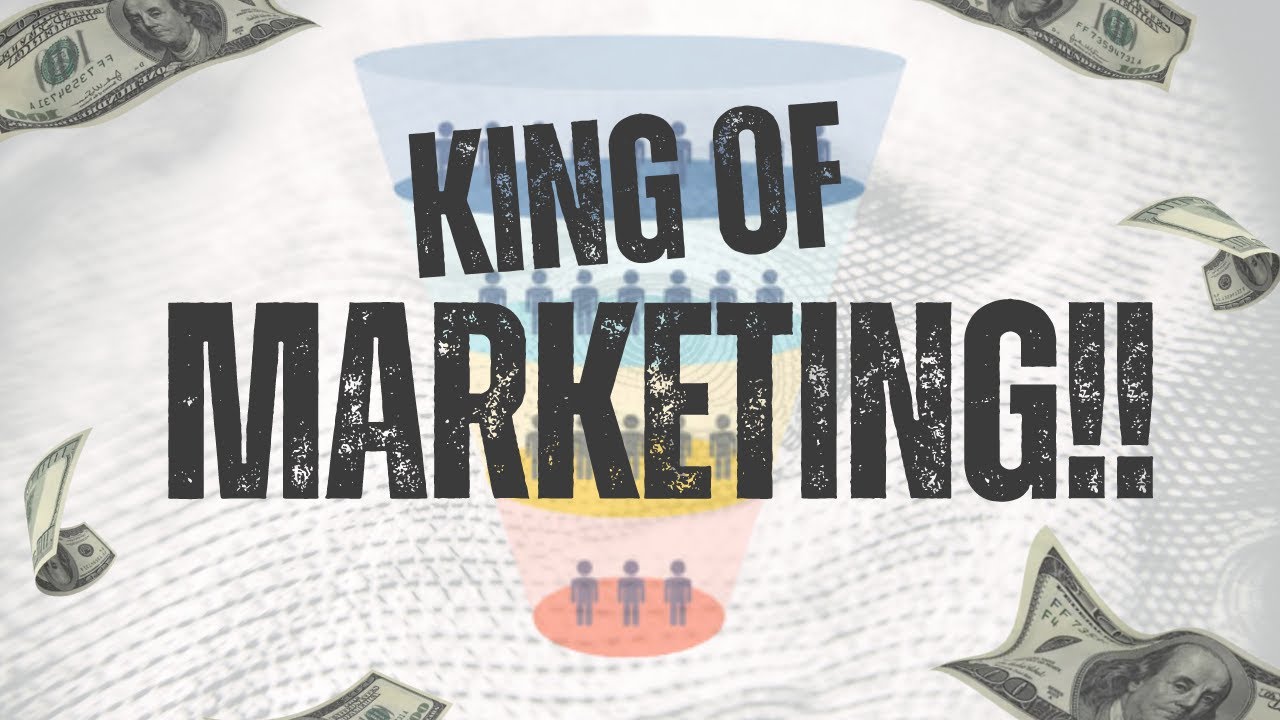
A sales funnel, in the context of digital marketing, is a strategic process designed to guide potential customers through a series of steps before they make a purchase. Imagine a physical funnel: wide at the top and narrow at the bottom. The top represents everyone who might be aware of your brand, while the narrow bottom represents the smaller number of people who actually become customers. The goal is to move as many people as possible through the funnel efficiently.
Sales Funnel vs. Marketing Funnel: What’s the Real Difference?
The terms “sales funnel” and “marketing funnel” are often used interchangeably, but they have distinct focuses. A marketing funnel’s primary goal is to generate leads and build brand awareness. It casts a wide net to attract a broad audience through content, SEO, and social media.
A sales funnel, on the other hand, is more focused on converting those leads into paying customers. It takes the qualified prospects generated by the marketing funnel and nurtures them through the final stages of the decision-making process. Essentially, the marketing funnel feeds the sales funnel, and aligning both is critical for a seamless customer journey.
Why a Sales Funnel is Vitally Important for Business Growth
For small to medium-sized businesses, a well-defined sales funnel is not a luxury; it’s a necessity. It provides sales predictability by creating a repeatable process for customer acquisition. This structure allows you to identify what’s working and what isn’t, enabling you to optimize your marketing spend and improve conversion rates. A clear funnel helps build a sustainable pipeline of leads, turning inconsistent sales months into a reliable engine for business growth.
The 5 Core Stages of a High-Converting Sales Funnel

Most effective sales funnels can be broken down into key stages, often mirroring the AIDA model (Attention, Interest, Desire, Action). Understanding these sales funnel stages is fundamental to building a process that resonates with your customer’s journey.
Stage 1: Awareness – Attracting Your Target Audience
This is the top of the funnel, where potential customers first become aware of a problem they have and discover your brand as a potential solution. The goal here is to attract your target audience through valuable and engaging content. This can be achieved through blog posts, social media marketing, online advertising, and strong organic traffic from SEO.
Stage 2: Interest & Consideration – Nurturing Potential Leads
Once a prospect is aware of your brand, they move into the interest and consideration stage. Here, they are actively researching solutions and comparing your offerings against competitors. Your job is to build trust and position your brand as the expert. High-value content like detailed guides, webinars, case studies, and email newsletters are powerful tools for lead nurturing during this phase.
Stage 3: Decision – Making Your Solution the Obvious Choice
At this stage, the prospect is close to making a purchase. They are evaluating their final options and looking for a compelling reason to choose you. This is the time to present your strongest offers, such as free trials, live demos, customer testimonials, or exclusive discounts. The goal is to remove any final barriers and make your solution the clear and obvious choice.
Stage 4: Action – Driving the Final Purchase
The action stage is the narrowest part of the funnel, where the prospect officially becomes a customer. All your efforts have led to this point. The focus here is on creating a seamless and frictionless purchase process. A simple checkout page, secure payment options, and a clear call-to-action (CTA) are critical to maximizing conversions and minimizing cart abandonment.
Stage 5: Loyalty – Creating Repeat Customers and Advocates
The journey doesn’t end with a single purchase. The final stage focuses on retention and advocacy. Delighting your new customers with excellent onboarding, responsive customer support, and follow-up communication can turn them into repeat buyers and brand advocates. This stage is crucial for long-term business growth, as retaining existing customers is often more cost-effective than acquiring new ones.
How to Build a Powerful Sales Funnel from Scratch: A Step-by-Step Guide
Creating an effective sales funnel requires a strategic approach. Here’s a guide on how to build a sales funnel that converts.
Step 1: Define Your Buyer Persona and Understand Their Pain Points
Before you can attract anyone, you need to know exactly who you’re talking to. A detailed buyer persona represents your ideal customer. Research their demographics, challenges, goals, and pain points. Understanding what motivates them allows you to tailor your messaging and content to directly address their needs at every stage of the funnel.
Step 2: Create High-Value Content for Each Funnel Stage (with Examples)
Content is the fuel for your sales funnel. You must map specific content types to each stage to guide prospects effectively.
- Awareness: SEO-optimized blog posts (“How to Solve [Problem]”), social media updates, infographics, short videos.
- Consideration: In-depth webinars, expert guides, case studies, comparison sheets.
- Decision: Free trials, product demos, customer reviews, pricing pages, special offers.
- Loyalty: Exclusive content for customers, loyalty programs, satisfaction surveys.
Step 3: Drive Organic Traffic with a Solid Content Marketing and SEO Strategy
Your funnel is useless if no one enters it. A strong content marketing and SEO strategy is essential for driving consistent, high-quality organic traffic to the top of your funnel. Focus on creating content around keywords your buyer persona is searching for. This establishes your authority and ensures a steady stream of potential customers discovering your brand.
Step 4: Capture Leads with Compelling Landing Pages and Offers
Once you have traffic, you need a mechanism to convert visitors into leads. This is where landing pages come in. Create dedicated landing pages with a single, clear call to action. Offer a valuable resource—like an ebook, template, or webinar registration—in exchange for their email address. This is a critical step in moving them from the awareness to the consideration stage.
Step 5: Implement an Email Marketing Strategy for Lead Nurturing
Now that you have leads, it’s time to nurture them. Email marketing is one of the most effective tools for this. The process of building relationships with potential customers by providing relevant resources is known as lead nurturing. Create an automated email sequence that delivers valuable content over time, builds trust, and gently guides them toward a purchasing decision.
How to Optimize Your Sales Funnel for Maximum Conversions
Building a sales funnel is just the beginning. Continuous optimization is key to improving its performance and maximizing your return on investment.
Analyzing Key Metrics: Identifying and Fixing Leaks in Your Funnel
You must track key metrics at each stage of the funnel to understand where prospects are dropping off. Look at conversion rates between stages. For example, what percentage of landing page visitors become leads? What percentage of leads request a demo? High drop-off rates indicate a “leak” in your funnel that needs to be fixed.
Using A/B Testing to Improve Landing Pages and Calls to Action
A/B testing is a powerful method for optimizing your funnel. Test different versions of your headlines, button colors, page layouts, and offers to see what resonates most with your audience. Small, incremental improvements from A/B testing can lead to significant increases in overall conversion rates over time.
Leveraging Marketing Automation and CRM Systems Effectively
Tools like marketing automation platforms and CRM systems are invaluable for optimization. At LIEN MMO, we often review and recommend SaaS tools that streamline these processes. A CRM like HubSpot allows you to track every interaction a lead has with your brand, providing deep insights into their behavior. This data helps you personalize your communication and automate follow-ups, ensuring no lead falls through the cracks. Using a HubSpot sales funnel template can provide a great starting point.
Practical Sales Funnel Examples for Small Businesses (B2B & B2C)
Let’s look at how these concepts apply in the real world.
B2C Example: An E-commerce Store’s Digital Marketing Sales Funnel
- Awareness: A potential customer sees a targeted Facebook ad for a new running shoe.
- Interest: They click the ad and read a blog post on the store’s website titled “5 Things to Look for in a Running Shoe.” They subscribe to the newsletter for a 10% discount.
- Decision: They receive an email showcasing the shoe’s features and positive customer reviews.
- Action: They use their discount code and purchase the shoes.
- Loyalty: They receive a follow-up email with care tips and an invitation to a VIP running club on Facebook.
B2B Example: A SaaS Company’s Lead Generation Funnel
- Awareness: A marketing manager searches “how to improve team productivity” and finds a comprehensive guide on a SaaS company’s blog.
- Interest: Impressed by the guide, they download a free “Productivity Planner” template, providing their email.
- Decision: They receive an email invitation to a live webinar demonstrating how the company’s software solves their exact productivity challenges. After the webinar, they are offered a 14-day free trial.
- Action: The manager signs up for the trial. After experiencing the value firsthand, the company purchases a subscription.
- Loyalty: They receive dedicated onboarding support and regular emails with advanced tips, leading to a long-term partnership.
In essence, a well-structured sales funnel is the backbone of any successful marketing strategy. It transforms casual browsers into committed buyers by delivering the right message at the right time. By systematically building, analyzing, and optimizing your funnel, you create a predictable sales process that not only increases revenue but also builds a loyal customer base and a strong, reputable brand for the long term.
Ready to build a high-converting sales funnel for your business? Contact us at LIEN MMO today for a free consultation and discover how our expert strategies can drive your growth.