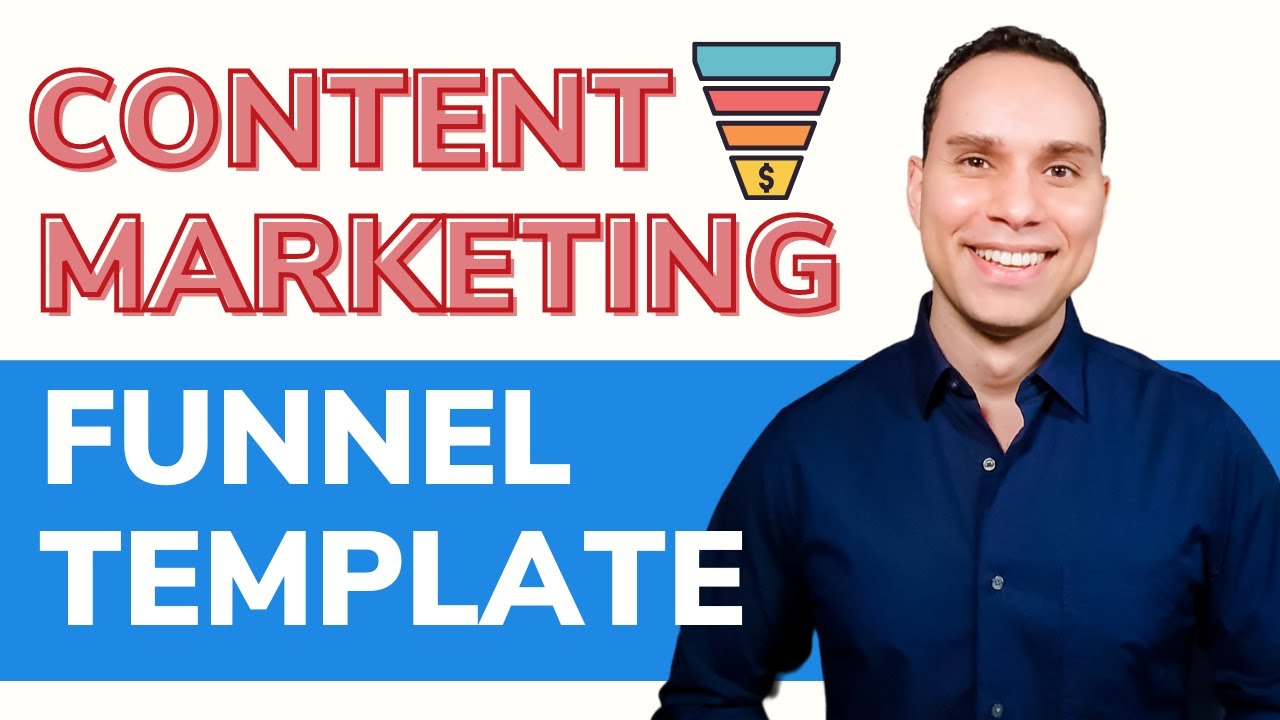
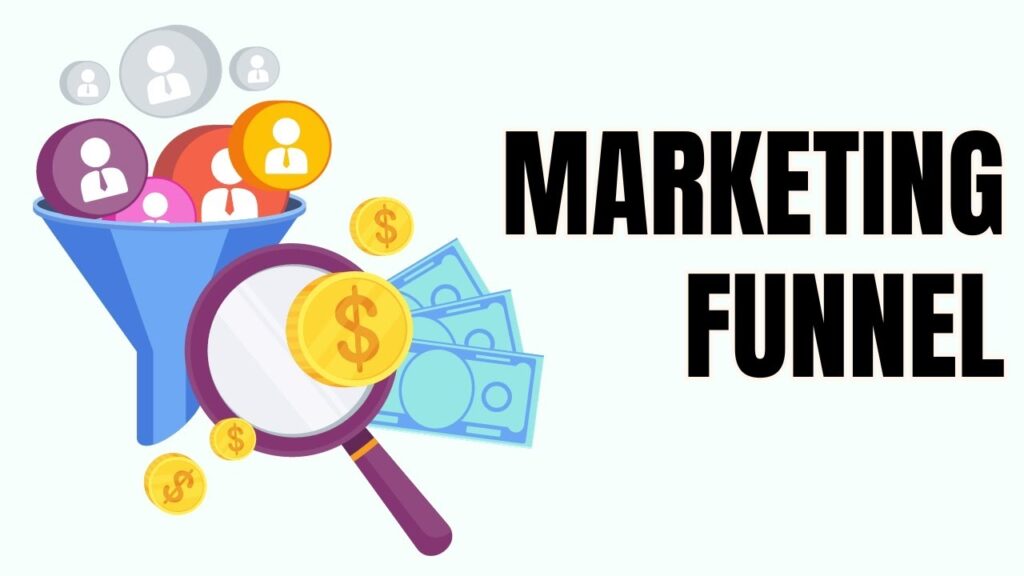
Instantly grasp the power of a marketing funnel, a strategic framework designed to attract your ideal audience and guide them seamlessly from initial awareness to becoming loyal, paying customers. Understanding what is a funnel in marketing is the first step toward transforming your customer acquisition process. This guide demystifies the entire process, providing the essential stages, metrics, and actionable tactics you need to build a high-converting funnel that drives sustainable business growth and builds a powerful brand presence in today’s competitive digital landscape.
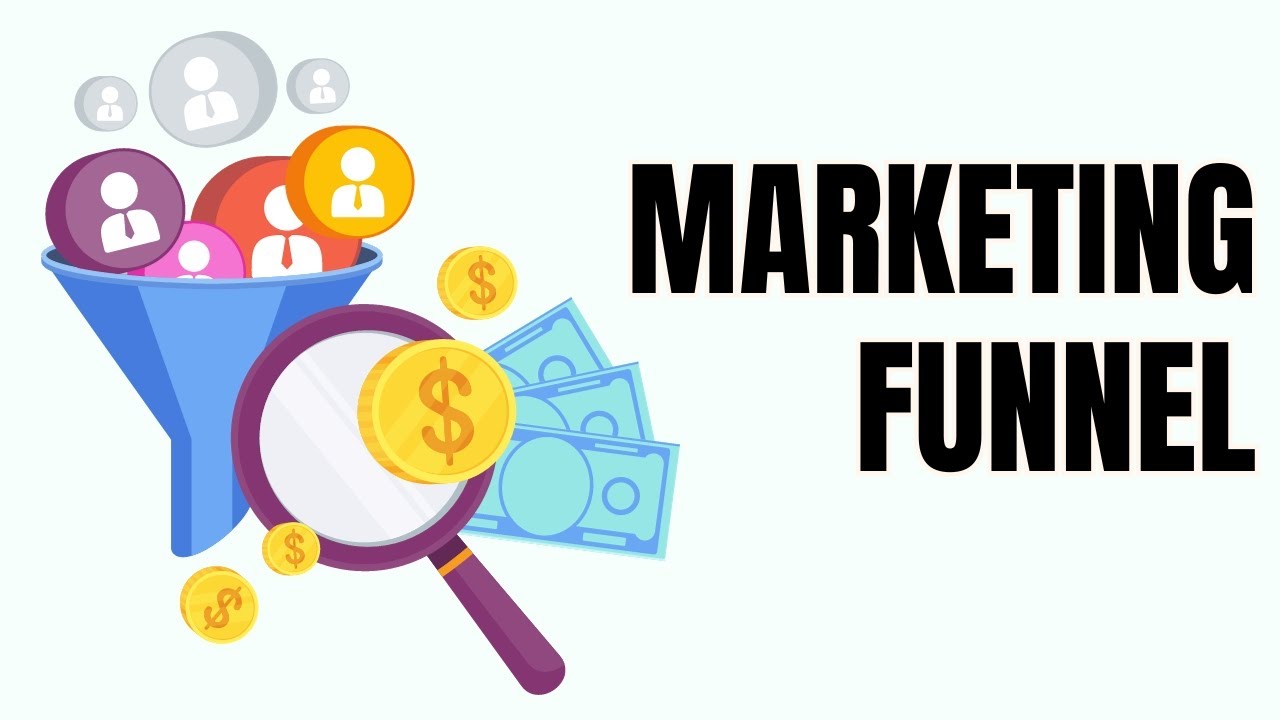
What is a Marketing Funnel, Really? Beyond the Basic Definition
At its core, a marketing funnel—often called a purchase funnel—is a model illustrating the theoretical journey a potential customer goes through on their way to a purchase. The “funnel” metaphor represents how a large number of prospects enter at the top during the awareness stage, but only a fraction emerge at the bottom as customers.
Deconstructing the Funnel: A Customer Journey Blueprint
Think of the marketing funnel as a strategic roadmap. It helps you visualize and understand the mindset and needs of your audience at each phase of their decision-making process. By mapping this journey, you can deliver the right message through the right channel at the right time, effectively guiding prospects toward a conversion. This entire process is a core part of a successful inbound marketing strategy.
Why a Well-Defined Funnel is Non-Negotiable for Growth
Without a structured funnel, your marketing efforts can feel random and disconnected, leading to wasted ad spend and lost opportunities. A well-defined funnel provides predictability. It allows you to measure performance at each stage, identify bottlenecks, and make data-driven decisions to improve your conversion rates. It’s the difference between hoping for sales and building a reliable system for generating them.
The 4 Essential Stages of the Modern Marketing Funnel (From TOFU to BOFU)
The traditional marketing funnel has evolved, but its core stages remain crucial for understanding the customer journey. We’ll break it down into four key phases, from the top of the funnel (TOFU) to the bottom (BOFU) and beyond.
Stage 1: Awareness (Top of the Funnel – TOFU) – Attracting Your Target Audience
This is the “attraction” phase. Your primary goal here is to cast a wide net to reach potential customers who may not know your brand exists but are experiencing a problem your product or service can solve. The focus is on generating brand awareness and driving traffic, not on making a hard sale.
- Customer Mindset: “I have a problem, and I’m looking for information.”
- Effective Tactics: SEO-optimized blog posts, social media marketing, infographics, videos, podcasts, and paid ads focused on reach.
Stage 2: Consideration (Middle of the Funnel – MOFU) – Nurturing Interest and Building Trust
Once a prospect is aware of your brand, they enter the consideration stage. Here, they are actively researching and comparing solutions. Your goal is to position your brand as the best possible choice by providing value, building trust, and demonstrating expertise. This is where lead generation truly begins.
- Customer Mindset: “I’m evaluating different options to solve my problem.”
- Effective Tactics: In-depth guides, case studies, webinars, email newsletters, free tools, and comparison articles.
Stage 3: Conversion (Bottom of the Funnel – BOFU) – Inspiring the Purchase Decision
At the bottom of the funnel, your prospect is ready to make a purchase decision. The content and offers in this stage should be highly targeted and compelling, designed to overcome final objections and make the conversion process as seamless as possible. This is where marketing and sales efforts align closely.
- Customer Mindset: “I’m ready to buy. Why should I choose you?”
- Effective Tactics: Free trials, demos, special offers, customer testimonials, detailed pricing pages, and consultations.
Stage 4: Loyalty and Advocacy – Creating Brand Evangelists
The journey doesn’t end with a purchase. The post-purchase stage is critical for customer retention and turning one-time buyers into loyal fans who advocate for your brand. Excellent service and continued engagement foster loyalty, which in turn drives repeat business and valuable word-of-mouth marketing.
- Customer Mindset: “I made a good choice. I love this brand and want to share my experience.”
- Effective Tactics: Onboarding emails, loyalty programs, customer support, exclusive content for customers, and referral programs.
How to Build Your High-Converting Marketing Funnel from Scratch: A 5-Step Guide
Building an effective marketing funnel requires a strategic, step-by-step approach. It’s about understanding your audience deeply and creating a seamless experience that guides them from discovery to purchase.
Step 1: Define Your Target Audience and Map the Customer Journey
Before you can build a funnel, you must know who you’re building it for. Develop detailed buyer personas representing your ideal customers. Once you have your personas, you can begin the process of customer journey mapping. A customer journey map visualizes every touchpoint a person has with your brand, helping you understand their needs, pain points, and emotions at each stage.
Step 2: Create Compelling Content and Lead Magnets for Each Stage
Content is the fuel for your marketing funnel. You need to create valuable assets tailored to each stage. For the top of the funnel, focus on educational blog posts and videos. For the middle, create compelling lead magnets—like ebooks, checklists, or webinars—in exchange for an email address. For the bottom, use case studies and testimonials to build confidence.
Step 3: Drive Targeted Traffic to the Top of Your Funnel
With your TOFU content ready, the next step is to promote it to attract your target audience. Use a mix of channels, including search engine optimization (SEO) to capture organic traffic, social media marketing to engage with communities, and targeted paid advertising (PPC) to reach specific demographics and interests.
Step 4: Implement Lead Nurturing with Marketing Automation
Once you’ve captured a lead with your MOFU content, the nurturing process begins. This is where marketing automation becomes invaluable. Use email marketing sequences to automatically send relevant, helpful content to your leads over time. This builds the relationship and keeps your brand top-of-mind, guiding them gently toward the conversion stage.
Step 5: Analyze, Test, and Optimize for Maximum ROI
A marketing funnel is not a “set it and forget it” tool. Continuous optimization is key to success. Use analytics to track your key metrics at each stage. A/B test your landing pages, email subject lines, and calls-to-action to identify what works best. This data-driven approach ensures you are constantly improving your funnel’s performance and maximizing your return on investment (ROI).
Unlocking Success: Key Marketing Funnel Metrics You Must Track
To effectively manage and optimize your funnel, you need to track the right marketing KPIs. Measuring performance at each stage helps you identify weaknesses and opportunities for improvement.
Top-of-Funnel Metrics: Measuring Reach and Brand Awareness
At the top, your goal is to measure how effectively you’re reaching your target audience.
- Website Traffic: The total number of visitors to your site.
- Impressions: The number of times your content or ads are displayed.
- Reach: The number of unique people who see your content.
- Click-Through Rate (CTR): The percentage of people who click on your links.
Middle-of-Funnel Metrics: Tracking Engagement and Lead Quality (MQLs)
In the middle, the focus shifts to engagement and lead quality.
- Lead Conversion Rate: The percentage of visitors who become leads (e.g., by downloading a lead magnet).
- Marketing Qualified Leads (MQLs): Leads that fit your buyer persona and are more likely to become customers.
- Email Open/Click Rates: How engaged your leads are with your nurturing sequences.
Bottom-of-Funnel Metrics: Focusing on Conversions and Revenue (SQLs, CAC)
At the bottom, the metrics are directly tied to sales and revenue.
- Sales Qualified Leads (SQLs): MQLs that the sales team has accepted as ready for a direct sales follow-up.
- Sales Conversion Rate: The percentage of SQLs that become paying customers.
- Customer Acquisition Cost (CAC): The total cost of sales and marketing to acquire a new customer.
Post-Purchase Metrics: Customer Lifetime Value (CLV) and Retention Rate
After the sale, it’s about measuring loyalty and long-term value.
- Customer Retention Rate: The percentage of customers who continue to do business with you over time.
- Customer Lifetime Value (CLV): The total revenue a business can expect from a single customer throughout their relationship. Understanding how to calculate customer lifetime value (CLV) is crucial for making strategic decisions about marketing spend and retention efforts.
Marketing Funnel vs. Sales Funnel: Clarifying the Critical Difference
While often used interchangeably, the marketing funnel and sales funnel have distinct roles. The marketing funnel covers the entire customer journey, from initial awareness to lead generation. Its primary goal is to generate and qualify leads (MQLs).
The sales funnel begins where the marketing funnel leaves off. It takes the MQLs, qualifies them further into SQLs, and focuses on the specific actions and interactions that lead directly to closing a deal. In essence, marketing casts the net, and sales reels in the fish.
Real-World Inspiration: Powerful Marketing Funnel Examples
Let’s look at how these concepts apply in the real world for both B2B and B2C businesses.
The B2B Marketing Funnel in Action (SaaS Example)
- Awareness (TOFU): A SaaS company publishes a blog post titled “5 Signs Your Team Needs a Project Management Tool” that ranks on Google.
- Consideration (MOFU): Within the blog post, they offer a free downloadable “Productivity Checklist” (a lead magnet). A visitor enters their email to get it, becoming an MQL.
- Conversion (BOFU): The new lead receives an automated email sequence. One email offers a 14-day free trial of their software. They sign up for the trial.
- Loyalty: After becoming a paying customer, they receive excellent onboarding and support, and are invited to join a customer-only community.
The B2C Marketing Funnel in Action (eCommerce Example)
- Awareness (TOFU): An online clothing store runs a targeted Facebook ad showcasing its new summer collection.
- Consideration (MOFU): A user clicks the ad and browses the website. A pop-up offers a 15% discount on their first order in exchange for their email.
- Conversion (BOFU): The user adds items to their cart but doesn’t check out. They receive an automated abandoned cart email reminding them of the items and their discount code, prompting them to complete the purchase.
- Loyalty: After the purchase, they are enrolled in a rewards program where they earn points for future purchases.
A marketing funnel is more than a model; it’s the backbone of a customer-centric marketing strategy. By understanding its stages, building a clear path with valuable content, and continuously optimizing based on data, you can create a predictable system for growth. Mastering what is a funnel in marketing not only converts prospects but builds lasting relationships, turning customers into your most powerful advocates and securing long-term brand success.
Ready to transform your customer journey and drive measurable results? At LIEN MMO, we specialize in leveraging AI tools and SaaS platforms to build powerful digital marketing funnels. Contact our experts today for a free consultation and let’s build a powerful marketing funnel tailored to your business goals!