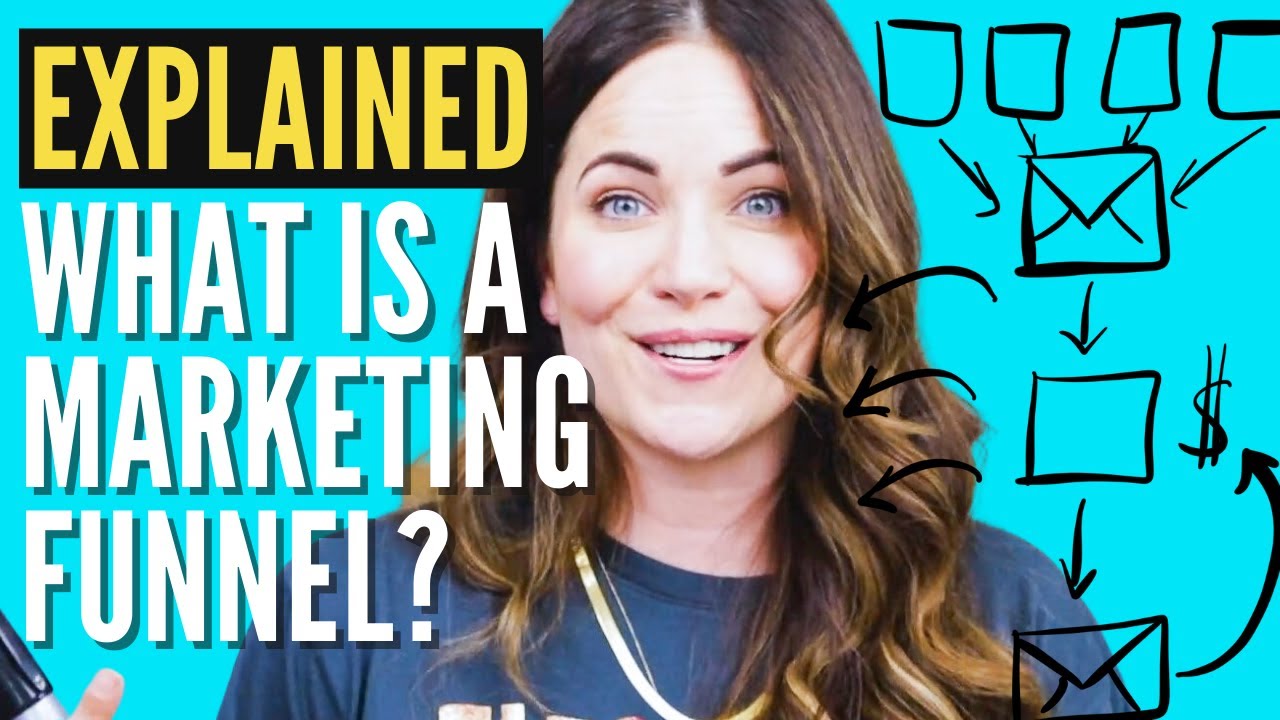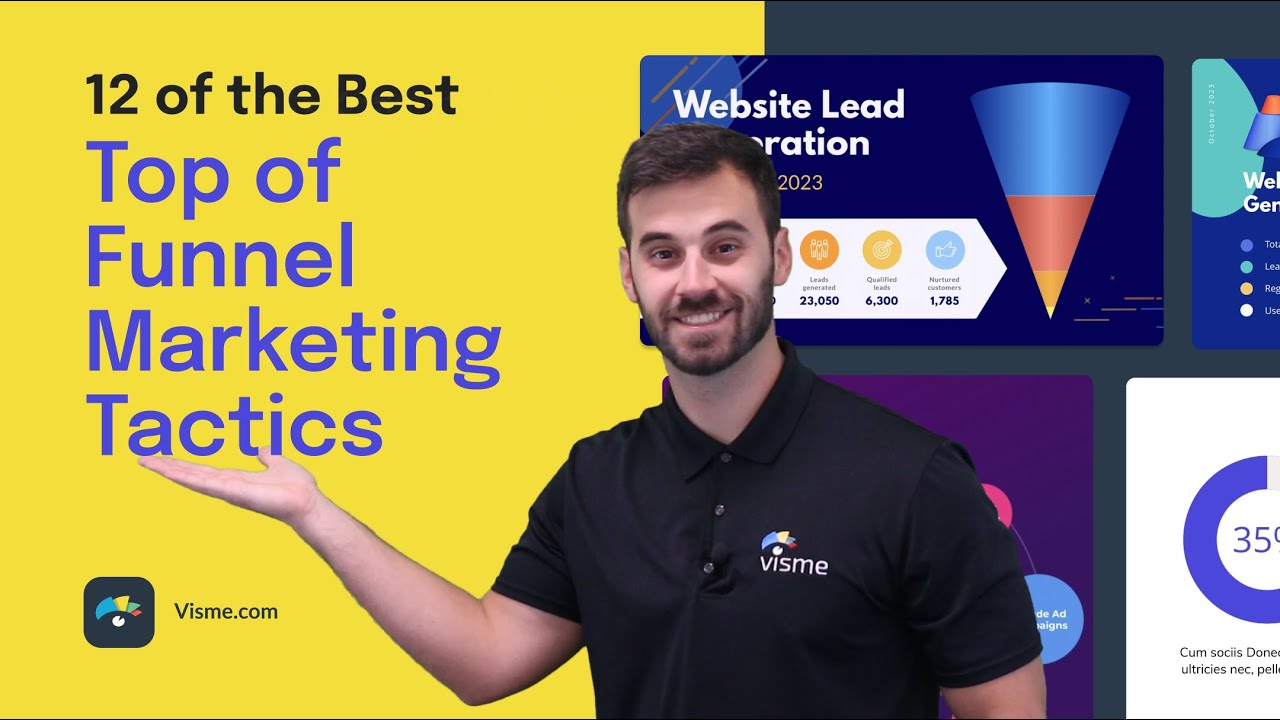
Are your marketing efforts failing to convert prospects into loyal customers? Many businesses struggle with a disjointed strategy that leaks potential revenue at every turn. This guide unlocks the power of the marketing funnel, providing a clear roadmap to not only attract your ideal audience but also to build trust, drive conversions, and foster long-term loyalty. Discover the secrets to explaining, optimizing, and measuring a high-performance marketing funnel that transforms your growth trajectory and builds a sustainable brand.
Why Your Business Is Leaking Money (and How a Marketing Funnel Can Fix It)
Without a structured approach, potential customers often slip through the cracks. A marketing funnel provides the framework to visualize and organize the customer journey, ensuring you deliver the right message at the right time. By understanding this process, you can pinpoint exactly where you’re losing prospects and implement targeted strategies to plug the leaks, turning potential losses into significant gains.
What is a Marketing Funnel? A Simple Explanation for Sustainable Growth
A marketing funnel is a strategic model that illustrates the journey a potential customer takes from their first point of awareness about your brand to becoming a loyal, paying customer. It’s called a “funnel” because you start with a large audience at the top, and as they move through the various stages, the number of prospects narrows, leaving you with highly qualified leads and, ultimately, converted customers. This framework is essential for planning and measuring marketing efforts.
Marketing Funnel vs. Sales Funnel: What’s the Difference and Why It Matters?
While often used interchangeably, the marketing funnel and sales funnel have distinct roles. The marketing funnel’s primary goal is to generate leads and build brand awareness, casting a wide net to attract a broad audience. It focuses on nurturing prospects through content and relationship-building.
Conversely, the sales funnel begins where the marketing funnel hands off a qualified lead. Its focus is narrower and more direct, aiming to convert those specific leads into paying customers through personalized interaction and negotiation. Understanding the distinction allows for seamless collaboration between marketing and sales teams, creating a unified customer acquisition process.
The Unseen Benefits of a Strategically Built Marketing Funnel
Implementing a well-designed marketing funnel offers numerous advantages beyond just increasing sales. It provides a deeper understanding of your customers, allowing for more targeted and personalized marketing campaigns. This data-driven approach leads to more efficient resource allocation, improved customer retention, and a significant boost in your overall return on investment (ROI). A strategic funnel helps build a predictable and sustainable growth engine for your business.
The 4 Critical Stages of a High-Converting Digital Marketing Funnel
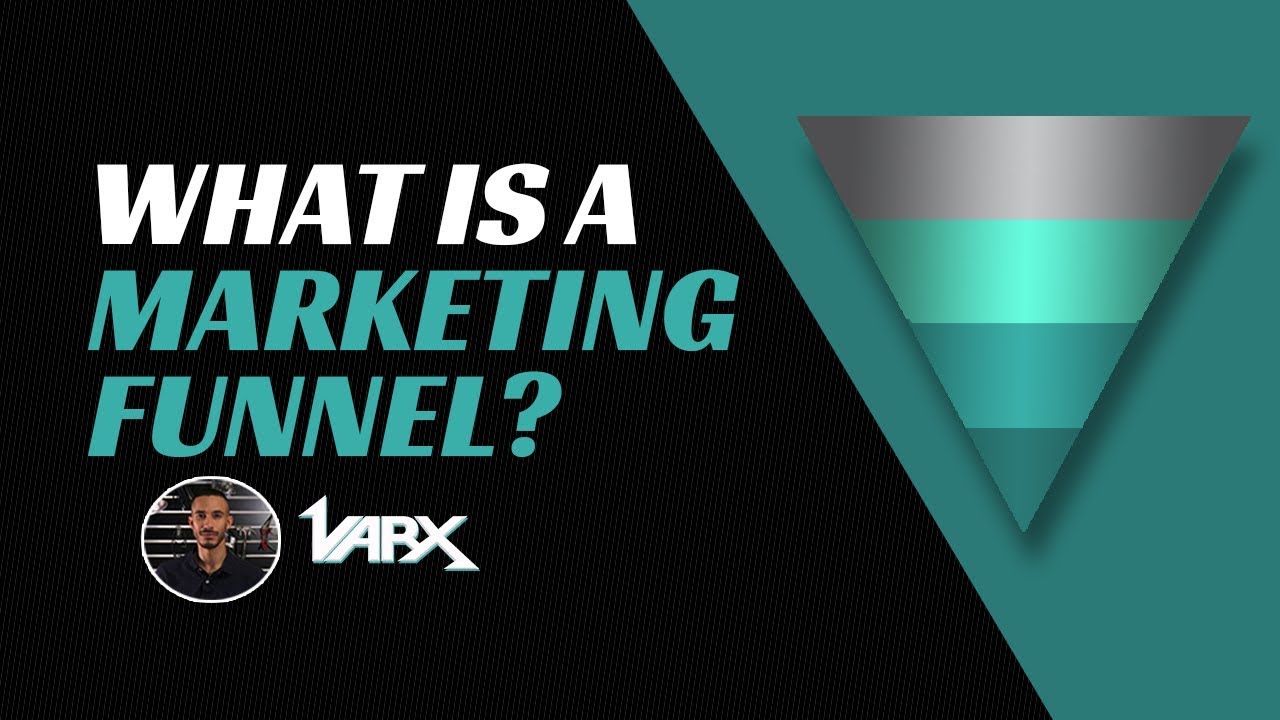
The digital marketing funnel is typically broken down into several key stages, each with a unique goal. A common and effective model includes four phases: Awareness, Consideration, Conversion, and Loyalty. This structure helps marketers tailor their strategies to the customer’s mindset at each point in their journey.
Stage 1 (TOFU): Attracting Your Target Audience with High-Value Content
The top of the funnel (TOFU), or the Awareness stage, is where potential customers first encounter your brand. The primary objective here is to attract a broad audience by providing valuable and educational content that addresses their pain points, without a hard sell. Effective TOFU strategies include search engine optimization (SEO), engaging social media content, and informative blog posts.
Stage 2 (MOFU): Nurturing Interest and Building Trust Through Engagement
In the middle of the funnel (MOFU), or the Consideration stage, prospects are aware of their problem and are actively researching solutions. At this point, your goal is to build trust and position your brand as the best option. This is achieved by offering more in-depth content like case studies, webinars, and detailed guides that showcase your expertise and the benefits of your offerings.
Stage 3 (BOFU): Driving Desire with Irresistible Solutions and Social Proof
The bottom of the funnel (BOFU), or the Conversion stage, is where interested prospects are ready to make a purchasing decision. Your marketing efforts should now focus on giving them the final nudge they need to choose your product or service. This can be accomplished through compelling offers, free trials, product demos, and strong social proof like customer testimonials and reviews.
Stage 4 (Loyalty & Advocacy): Turning Customers into Brand Evangelists
The funnel doesn’t end with a purchase. The final stage focuses on customer retention and turning satisfied customers into loyal advocates for your brand. This involves excellent post-purchase support, loyalty programs, and engaging with customers to encourage repeat business and word-of-mouth referrals. This stage is crucial for building long-term, sustainable growth.
How to Build and Optimize Your Marketing Funnel: A Step-by-Step Guide

Creating a high-converting marketing funnel requires a strategic and methodical approach. By following a clear set of steps, you can build a system that effectively guides prospects from awareness to loyalty.
Step 1: Map Your Customer Journey and Identify Key Touchpoints
The first step is to deeply understand your target audience and their path to purchase. Create detailed buyer personas to identify their pain points and motivations. Then, map out the entire customer journey, from how they discover your brand to the final purchase decision, identifying all the key touchpoints where they interact with your business.
Step 2: Choose the Right Content for Each Funnel Stage (with B2B & B2C Examples)
Content is the fuel for your marketing funnel. You need to create targeted content that aligns with the needs of your audience at each specific stage.
- TOFU (Awareness):
- B2B: Informative blog posts, industry reports, and educational webinars.
- B2C: Entertaining social media videos, infographics, and how-to guides.
- MOFU (Consideration):
- B2B: In-depth case studies, whitepapers, and product comparison guides that showcase your solution’s value.
- B2C: Customer reviews, testimonials, and detailed product feature videos.
- BOFU (Conversion):
- B2B: Free trials, live demos, and personalized consultations.
- B2C: Limited-time discounts, special offers, and a seamless checkout process.
Step 3: Implement A/B Testing to Continuously Improve Performance
Optimization is an ongoing process. Regularly use A/B testing on elements like landing pages, calls-to-action (CTAs), and email subject lines to identify what resonates best with your audience. This data-driven approach allows you to make incremental improvements that can lead to significant increases in conversion rates over time.
Step 4: Leverage the Right Tools: From SEO and CRM to Analytics
Building and managing a marketing funnel is much more efficient with the right technology. Utilize SEO tools to increase visibility at the top of the funnel, a CRM system to manage and nurture leads, and analytics platforms like Google Analytics to track performance and gain valuable insights at every stage. At LIEN MMO, we specialize in identifying the best AI tools and SaaS services to streamline these processes.
Measuring Success: The Marketing Funnel Metrics You Can’t Ignore
To truly understand the effectiveness of your marketing funnel, you must track the right key performance indicators (KPIs) at each stage. This allows you to identify weaknesses, optimize your strategies, and demonstrate the ROI of your marketing efforts.
Key Performance Indicators (KPIs) for the Awareness Stage (e.g., Website Traffic, CTR)
In the awareness stage, your goal is to maximize reach and attract new visitors. Key metrics to monitor include:
- Website Traffic: The total number of visitors to your site.
- Impressions: The number of times your content is displayed.
- Click-Through Rate (CTR): The percentage of people who click on your ad or link after seeing it.
- Social Media Engagement: Likes, shares, and comments on your posts.
Essential Metrics for the Consideration Stage (e.g., Lead Generation, Engagement Rate)
During the consideration stage, you want to measure how effectively you are engaging prospects and turning them into leads. Important metrics include:
- Lead Generation: The number of new contacts captured through forms or downloads.
- Email Open Rates: The percentage of recipients who open your marketing emails.
- Time on Page: How long visitors spend consuming your content.
- Content Downloads: The number of times your gated content (e.g., eBooks, whitepapers) is downloaded.
Critical Metrics for the Conversion Stage (e.g., Conversion Rate, CPA, ROI)
At the conversion stage, the focus shifts to sales and profitability. The most critical metrics are:
- Conversion Rate: The percentage of leads who complete a desired action, such as making a purchase.
- Cost Per Acquisition (CPA): The total cost of acquiring a new customer.
- Return on Investment (ROI): The total revenue generated from your marketing campaigns compared to the cost.
How to Track Customer Lifetime Value (CLV) and Retention
Beyond the initial sale, it’s vital to measure long-term customer value. Key metrics for the loyalty stage include:
- Customer Lifetime Value (CLV): The total revenue a business can expect from a single customer account throughout their relationship.
- Customer Retention Rate: The percentage of customers who continue to do business with you over a given period.
- Repeat Purchase Rate: The percentage of customers who have made more than one purchase.
Mastering the marketing funnel is not just a strategic advantage; it’s the core of sustainable business growth. By understanding and implementing the distinct stages—from awareness to loyalty—you create a powerful engine for attracting, converting, and retaining customers. This structured approach eliminates guesswork, allowing you to optimize every touchpoint, measure what truly matters, and ultimately build a trusted brand with a predictable revenue stream. Start building your high-performance funnel today and unlock your business’s full potential.
Ready to stop losing customers and start maximizing your ROI? Contact us at LIEN MMO for a free consultation and let our experts help you build and optimize a marketing funnel strategy tailored to your unique business goals. Visit our website at https://lienmmo.com/ or email us at lienmmo@gmail.com.