Are your marketing efforts failing to convert leads into loyal customers? Many businesses struggle because they don’t effectively guide potential customers through their buying journey. Understanding and optimizing the stages of the marketing funnel is crucial. This article provides a clear, step-by-step guide to mastering each phase. You’ll learn actionable strategies to attract your target audience, build trust, and drive conversions, transforming your marketing from a cost center into a powerful engine for sustainable growth and brand loyalty.
Understanding the Modern Marketing Funnel: Beyond the Linear Path
To effectively optimize the funnel, we first need to understand its structure and how it has evolved. It’s no longer a simple, straight line but a complex journey that requires a sophisticated, full-funnel marketing strategy.
What is a Marketing Funnel? A Framework for the Customer Journey
A marketing funnel is a framework that visualizes the ideal path a potential customer takes from first learning about your brand to becoming a loyal, paying customer. Each of the different stages of the marketing funnel represents a different level of engagement and commitment from the prospect. By understanding this customer journey, businesses can create targeted strategies to guide them seamlessly from one stage to the next.
Key Funnel Models Explained: From AIDA to TOFU/MOFU/BOFU
Several models explain the marketing funnel framework. The classic AIDA marketing funnel represents Attention, Interest, Desire, and Action. This foundational model highlights the psychological progression of a buyer.
A more modern and widely used framework in digital marketing is TOFU/MOFU/BOFU, which stands for Top-of-Funnel, Middle-of-Funnel, and Bottom-of-Funnel. This model categorizes the funnel into three distinct phases, aligning content and marketing strategies with the user’s intent at each step. This is a core concept in any effective B2B funnel strategy.
Why the Customer Journey is No Longer Linear (And What it Means for You)
In today’s digital world, the customer journey is complex. A potential customer might see a social media ad (Awareness), read a blog post a week later (Consideration), get retargeted with a special offer (Conversion), and then go back to read reviews before making a purchase decision. They jump between stages. This means your strategy must be flexible and omnichannel, providing a consistent and valuable experience across all marketing channels.
Stage 1: Awareness – Capturing Attention and Generating Traffic
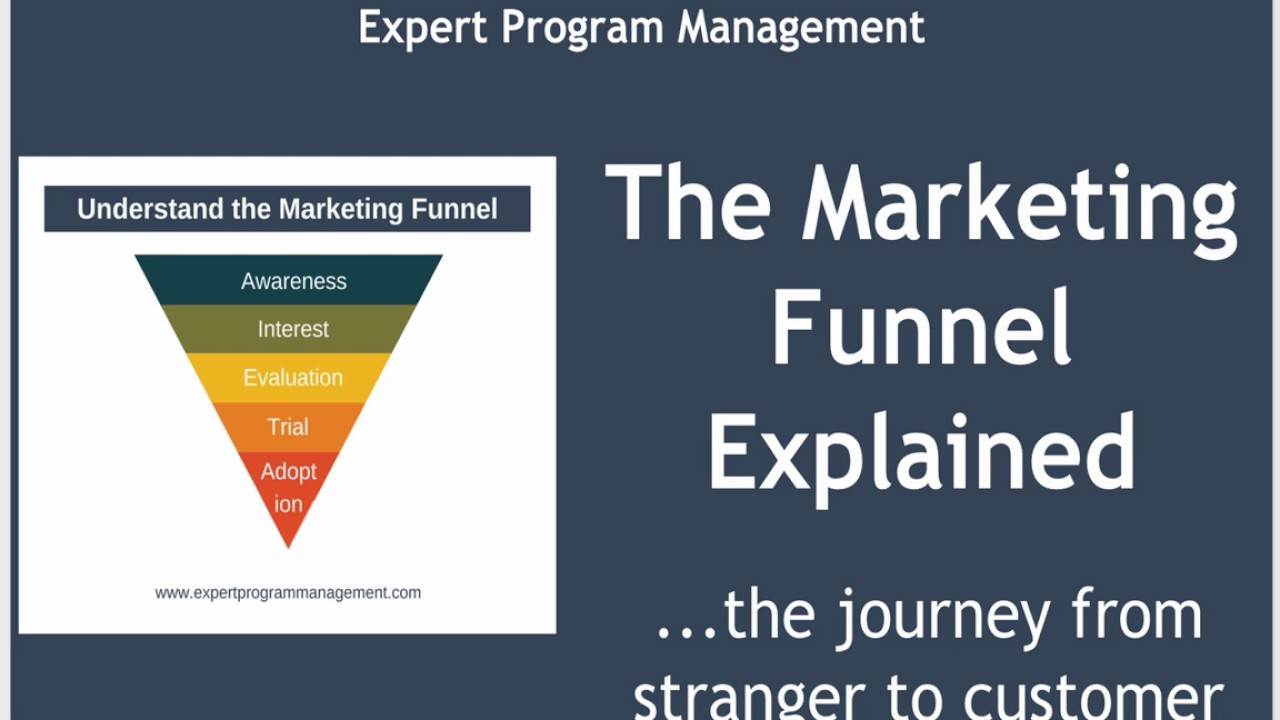
The first of the marketing funnel stages is Awareness. This is your brand’s first impression, where potential customers discover you exist.
Goal: Introduce your brand to a new audience and address their pain points.
The primary objective here is to capture the attention of a broad but relevant audience. You want to introduce your brand and what you do without an immediate hard sell. The focus is on providing value and addressing common problems or questions your target audience has. This is the essence of building brand awareness.
Actionable SEO & Content Strategies
Content is the engine of the Awareness stage. Develop high-quality blog posts, engaging infographics, short videos, and social media content that targets informational keywords. These are often phrased as “how to,” “what is,” or “best ways to.” At LIEN MMO, we emphasize using SEO tactics to ensure this top-of-funnel (TOFU) content ranks high on search engines, attracting organic traffic from users actively seeking solutions.
Marketing Channels to Use
To promote your TOFU content, leverage a mix of digital marketing channels. Social media advertising on platforms like Facebook and LinkedIn can target specific demographics and interests. Search engine marketing, particularly Google Ads campaigns focused on brand awareness and reach, can also be highly effective. Collaborating with other brands or influencers through content partnerships can expand your reach to new, relevant audiences.
Metrics to Track
To measure success at this stage, it’s crucial to track the right marketing funnel metrics. Key performance indicators (KPIs) include:
- Website Traffic: The total number of visitors to your site.
- Social Media Reach & Engagement: How many people see your content and interact with it.
- Click-Through Rate (CTR): The percentage of people who click on your ads or links.
- Keyword Rankings: Your organic search position for target TOFU keywords.
Stage 2: Consideration – Building Interest and Nurturing Leads
Once a user is aware of your brand, they enter the Consideration stage. Here, they are actively researching and evaluating solutions to their problem.
Goal: Position your brand as the best solution by providing in-depth, valuable information.
What is the goal of the consideration stage of the marketing funnel? It’s to build trust and demonstrate your expertise. You need to convince potential customers that your product or service is a viable, and preferably the best, option for them. This is where you begin the crucial process of lead nurturing.
Actionable Lead Nurturing Tactics
This is the perfect time to offer valuable lead magnets in exchange for an email address. Resources like in-depth ebooks, exclusive webinars, comprehensive case studies, or a helpful funnel template can be incredibly effective. Once you have their contact information, you can implement targeted email campaigns to nurture these marketing qualified leads (MQLs), providing them with more valuable content over time. Understanding the different lead generation funnel stages is critical to capturing and nurturing these prospects effectively.
Content for Building Trust
The content in the middle of the funnel (MOFU) should be more detailed. Create product comparisons, share powerful customer testimonials, and produce video demonstrations that showcase your unique value proposition. This content should directly address potential objections and clearly highlight the benefits of your solution over competitors, building the confidence needed for the purchase decision.
Metrics to Track
Measuring engagement is key at this stage. Track these metrics:
- Lead Generation Rate: The percentage of visitors who become leads.
- Email Open/Click-Through Rates: How engaged your leads are with your email campaigns.
- Content Download Rate: The number of downloads for your lead magnets.
- Engagement Metrics: Time on page and bounce rate for key consideration-stage pages.
Stage 3: Conversion – Closing the Deal and Acquiring Customers
The Conversion stage is the bottom of the funnel (BOFU), where interested leads are ready to make a purchase. This is the most critical phase for driving revenue.
Goal: Encourage qualified leads to make a purchase decision.
The objective here is to make the buying process as simple and persuasive as possible. All your previous efforts in the stages of the marketing funnel have led to this moment. The focus shifts from education to demonstrating immediate value and creating a sense of urgency.
Actionable Conversion Rate Optimization (CRO) Strategies
Optimizing your conversion points is non-negotiable. Ensure your landing pages are clean, fast-loading, and have a single, clear call-to-action (CTA). Offering a free trial, a limited-time discount, or a product demo can be the final push a lead needs. Use retargeting campaigns on social media and search engines to bring back visitors who showed interest but didn’t convert, reminding them of your value.
Leveraging Social Proof
To overcome final hesitations, social proof is incredibly powerful. Prominently display customer reviews, star ratings, industry awards, and trust badges (e.g., security seals) on your product and checkout pages. Seeing that others have purchased and are happy with their decision builds immense confidence and reduces perceived risk for new buyers.
Metrics to Track
The success of this stage is measured by transactional metrics:
- Conversion Rate: The percentage of leads who become customers.
- Customer Acquisition Cost (CAC): The total cost of acquiring a new customer.
- Average Order Value (AOV): The average amount spent per order.
- Shopping Cart Abandonment Rate: The percentage of users who start but don’t complete a purchase.
Stage 4: Loyalty & Advocacy – Creating Raving Fans for Long-Term Growth
Acquiring a customer is not the end of the journey. The most profitable and sustainable businesses focus on the final stages of the marketing funnel: retention and advocacy.
Goal: Turn one-time buyers into repeat customers and brand advocates.
The goal is to maximize customer lifetime value (CLV). A loyal customer is far more valuable than a new one because they buy more frequently and cost less to retain. Furthermore, they can become a powerful marketing channel for your brand.
Actionable Customer Retention Strategies
Post-purchase engagement is key. Implement a customer loyalty program that rewards repeat business. Provide exceptional customer support to resolve any issues quickly and positively. Use personalized email marketing to suggest complementary products (cross-selling) or upgrades (upselling). These targeted customer retention strategies build a long-term relationship and increase CLV.
Fostering Brand Advocacy
Happy customers are your best marketers. Actively encourage them to leave reviews on your website and third-party platforms. Create a referral program that rewards them for bringing in new customers. Engage with them on social media and encourage them to share their positive experiences. This user-generated content acts as powerful social proof, feeding the top of your funnel with new, high-trust prospects.
Metrics to Track
Measuring long-term success requires these metrics:
- Customer Lifetime Value (CLV): The total revenue a customer generates over their lifetime.
- Repeat Purchase Rate: The percentage of customers who buy more than once.
- Net Promoter Score (NPS): A measure of customer loyalty and willingness to recommend your brand.
- Customer Satisfaction (CSAT): A measure of how satisfied customers are with your product or service.
Optimizing your marketing funnel is not a one-time task but an ongoing process of understanding and adapting to your customer’s needs. By implementing targeted strategies at the Awareness, Consideration, Conversion, and Loyalty stages, you create a powerful system that not only acquires new customers but also fosters long-term relationships. This strategic approach to the stages of the marketing funnel reduces acquisition costs, increases lifetime value, and builds a trusted brand, ensuring sustainable growth in a competitive digital landscape.
Ready to transform your marketing funnel into a conversion machine? Contact us at LIEN MMO today for a free consultation. Let our experts help you build a data-driven strategy that delivers measurable results.