In today’s competitive digital landscape, simply attracting visitors is not enough. Mastering the marketing funnel stages is the definitive key to converting prospects into loyal customers and maximizing your ROI. This comprehensive guide breaks down the essential stages, provides actionable strategies for each, and offers a step-by-step framework to build a powerful funnel that drives sustainable business growth and builds a trusted brand.
Why the Marketing Funnel is Your Blueprint for Sustainable Growth
A well-defined marketing funnel acts as a roadmap, guiding your potential customers from their very first interaction with your brand to the final purchase and beyond. It allows you to understand their needs at each step, deliver the right message at the right time, and build a relationship founded on trust and value. This strategic approach is fundamental to achieving long-term success.
Understanding the Core Concept: What is a Marketing Funnel?
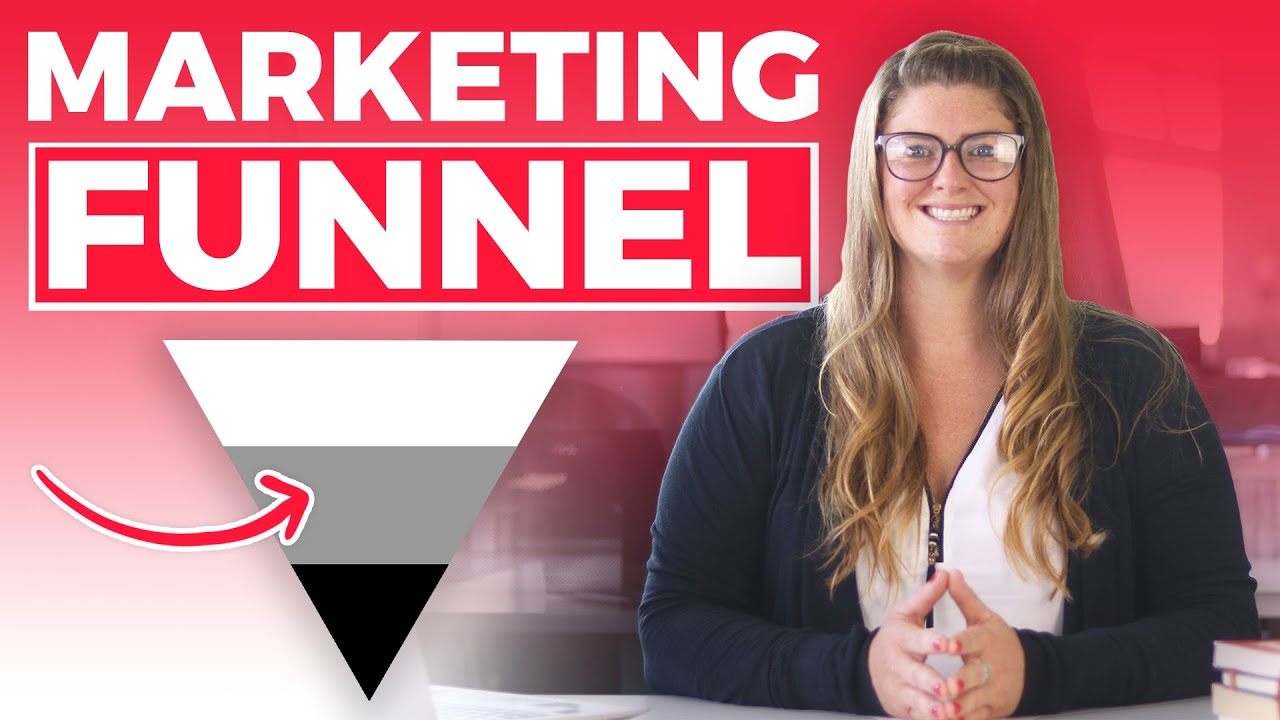
A marketing funnel is a visual representation of the customer journey, depicting the path from initial awareness to conversion. It’s called a “funnel” because you start with a large audience at the top, and as they move through the stages, the number of prospects narrows, leaving you with highly qualified leads and, ultimately, customers at the bottom.
The Classic Framework: Explaining TOFU, MOFU, and BOFU
The traditional marketing funnel is often broken down into three core sections, a concept known as TOFU, MOFU, and BOFU. Understanding this framework is crucial for aligning your marketing activities.
- Top of the Funnel (TOFU): This is the Awareness stage, where the goal is to attract a broad audience and introduce them to your brand.
- Middle of the Funnel (MOFU): This is the Consideration stage. Here, the focus shifts from attracting to educating and nurturing leads, building trust and positioning your brand as the solution.
- Bottom of the Funnel (BOFU): This is the Decision or Conversion stage. At this point, leads are close to making a purchase, and your efforts should be focused on converting them into paying customers.
From Funnel to Flywheel: Why the Customer Journey is No Longer Linear
While the funnel is a powerful model, it’s important to recognize that the modern customer journey is not always a straight line. The flywheel concept acknowledges this by placing the customer at the center, with marketing, sales, and service working together to create a smooth, continuous experience that fuels growth through retention and advocacy.
A Deep Dive: The 5 Key Marketing Funnel Stages Explained
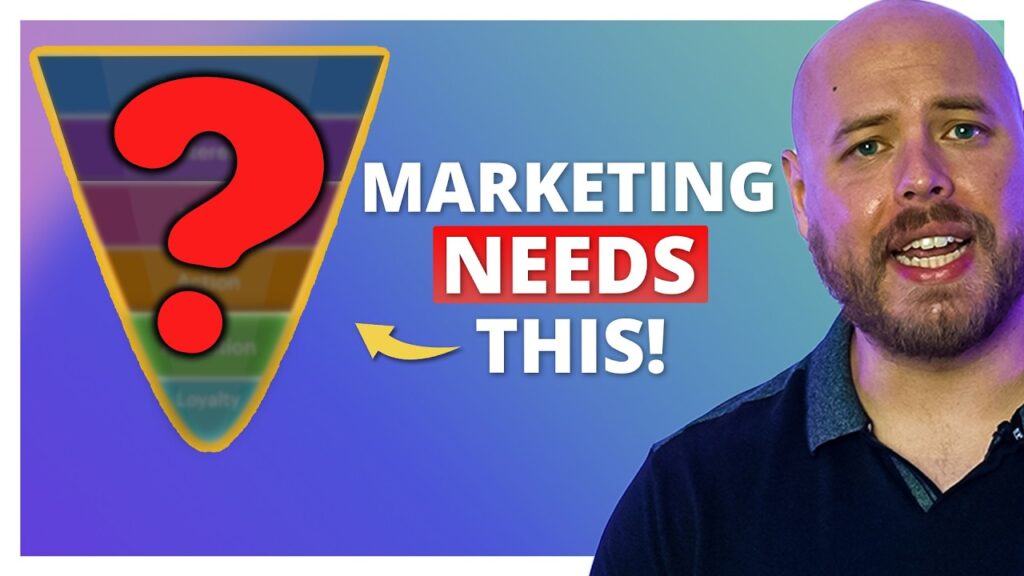
To build a truly effective strategy, we need to expand beyond the three-part framework and look at a five-stage marketing funnel. This provides a more nuanced view of the customer’s experience.
Stage 1: Awareness – Capturing Attention and Making a First Impression
The first of the marketing funnel stages is Awareness. Here, potential customers have a problem and are just beginning to look for solutions, but they may not know your brand exists. Your goal is to capture their attention and make a strong first impression. Strategies include creating valuable blog content (SEO), engaging on social media, and running targeted ad campaigns.
Stage 2: Consideration – Nurturing Interest and Building Trust
Once prospects are aware of you, they enter the Consideration stage. They are now actively researching and comparing different solutions. To win them over, you must build trust and demonstrate your expertise. Offer in-depth content like case studies, webinars, detailed guides, and product comparisons to help them evaluate their options.
Stage 3: Conversion – Guiding Prospects to Take Action
The Conversion stage is the critical moment where a lead decides to become a customer. Your objective is to make this step as easy and compelling as possible. Strategies for this bottom-of-the-funnel stage include offering free trials, live demos, clear and persuasive calls-to-action (CTAs), and customer testimonials to provide social proof.
Stage 4: Loyalty – Fostering Retention and Repeat Business
Acquiring a new customer is valuable, but retaining an existing one is more profitable. The Loyalty stage focuses on nurturing the post-purchase relationship. Excellent customer service, personalized email marketing, and exclusive loyalty programs encourage repeat business and increase customer lifetime value (CLTV).
Stage 5: Advocacy – Turning Customers into Brand Evangelists
The final stage, Advocacy, is where satisfied customers become your most powerful marketing asset. When customers are so pleased with their experience that they actively promote your brand to others, you’ve created a brand evangelist. Encourage this with referral programs, user-generated content campaigns, and by actively seeking reviews.
How to Build Your High-Converting Marketing Funnel (Step-by-Step)
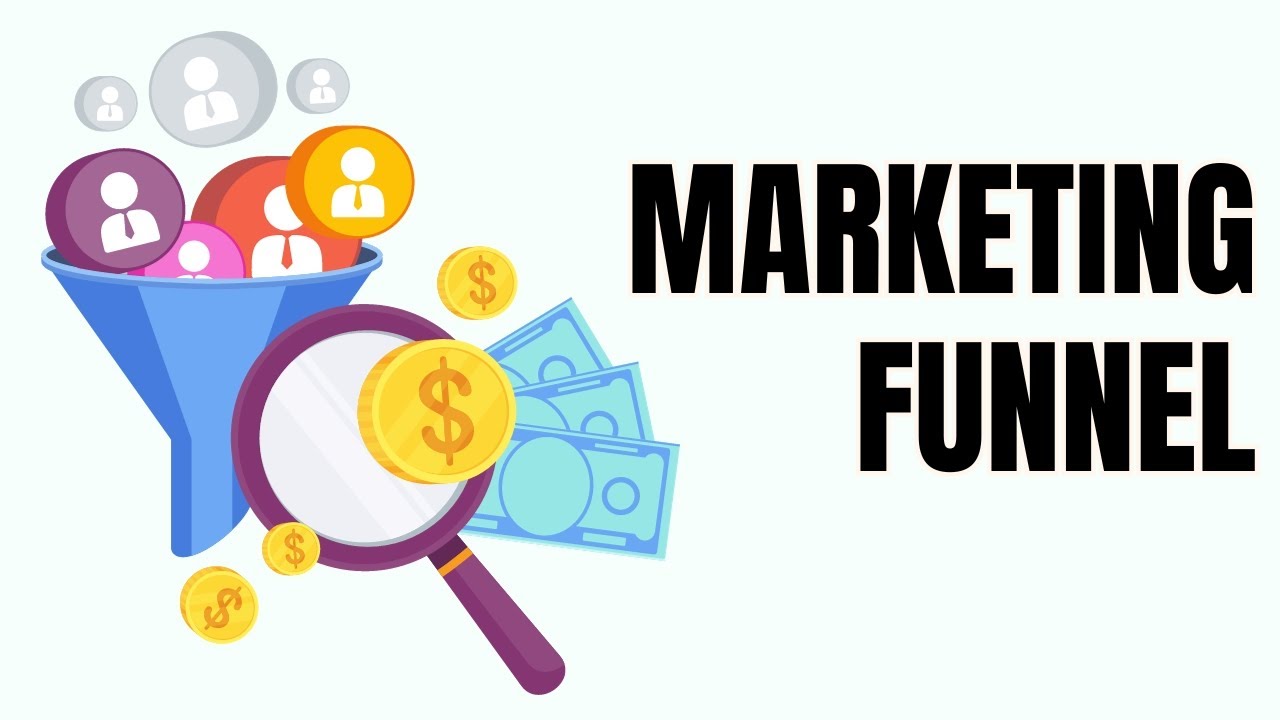
Creating a successful marketing funnel requires a strategic, data-driven approach. Here’s a step-by-step guide to building your own.
Step 1: Develop In-Depth Buyer Personas to Define Your Target Audience
You cannot guide your audience if you don’t know who they are. Start by creating detailed buyer personas that represent your ideal customers. Understand their demographics, pain points, motivations, and where they spend their time online. This insight is the foundation of your entire funnel strategy.
Step 2: Map the Customer Journey to Identify Key Touchpoints and Friction Points
A customer journey map is a visual diagram of every interaction a customer has with your brand. Creating one helps you understand their experience from their perspective, identify key touchpoints for engagement, and pinpoint friction points that might be causing them to drop off. A comprehensive customer journey mapping guide can provide a structured approach to this essential task.
Step 3: Create and Align Your Content Marketing Strategy for Each Stage
Content is the fuel for your marketing funnel. You must create and distribute different types of content tailored to the needs of your audience at each specific stage.
- Awareness: Blog posts, infographics, social media updates.
- Consideration: Ebooks, case studies, webinars, comparison guides.
- Conversion: Free trials, demos, customer reviews, detailed pricing pages.
- Loyalty & Advocacy: Exclusive content, newsletters, referral offers.
Step 4: Set Actionable KPIs to Measure and Analyze Funnel Performance
To know if your funnel is working, you must measure it. Define Key Performance Indicators (KPIs) for each stage to track progress and identify areas for improvement. These might include website traffic, conversion rates, lead quality, cost per acquisition (CPA), and customer lifetime value (CLTV).
Advanced Strategies for Funnel Optimization and Maximum ROI
Building your funnel is just the beginning. Continuous optimization is where you unlock its true potential for generating ROI.
The Power of A/B Testing and Conversion Rate Optimization (CRO)
Never assume you know what works best. Use A/B testing on landing pages, email subject lines, CTAs, and ad copy to identify what resonates most with your audience. A dedicated focus on Conversion Rate Optimization (CRO) will systematically improve the performance of each stage of your funnel.
Implementing Lead Nurturing and Marketing Automation Workflows
Marketing automation involves using software to automate repetitive marketing tasks. It allows you to nurture leads with personalized, timely messages without manual effort. For example, when someone downloads an ebook, you can automatically enroll them in an email sequence that provides more value and guides them toward a purchase. At LIEN MMO, we have extensive experience with SaaS and AI tools that can streamline these workflows, ensuring you deliver the right message at the right time.
B2B vs. B2C Funnels: Key Differences and Tailored Strategies
It’s important to recognize that B2B marketing funnel stages differ from B2C funnels. B2B sales cycles are typically longer, involve more decision-makers, and are based more on logic and ROI. B2C funnels are often shorter and more emotionally driven. Your strategies, content, and nurturing processes must be tailored to these differences to be effective.
Building a successful marketing funnel is a dynamic process of understanding, strategy, and optimization. By focusing on the customer journey through the stages of awareness, consideration, conversion, loyalty, and advocacy, you can create a powerful engine for growth. This strategic approach to the marketing funnel stages not only increases conversion rates but also builds lasting customer relationships, ensuring long-term profitability and brand authority in your market.
Ready to transform your marketing strategy and build a funnel that delivers results? Contact our experts at LIEN MMO today for a free consultation and let’s map out your path to success! Reach us at lienmmo@gmail.com.