
Unlock sustainable growth and build lasting customer relationships by mastering the marketing funnel. This guide provides a comprehensive blueprint, moving beyond theory to offer actionable tactics, essential metrics, and proven strategies for both B2B and B2C models. Learn how to attract your ideal audience, build trust with valuable content, and effectively guide prospects from initial awareness to loyal advocacy, ensuring every marketing effort translates into measurable success and a powerful brand presence.

Understanding the Core Framework: The 4 Essential Stages of a High-Performing Marketing Funnel
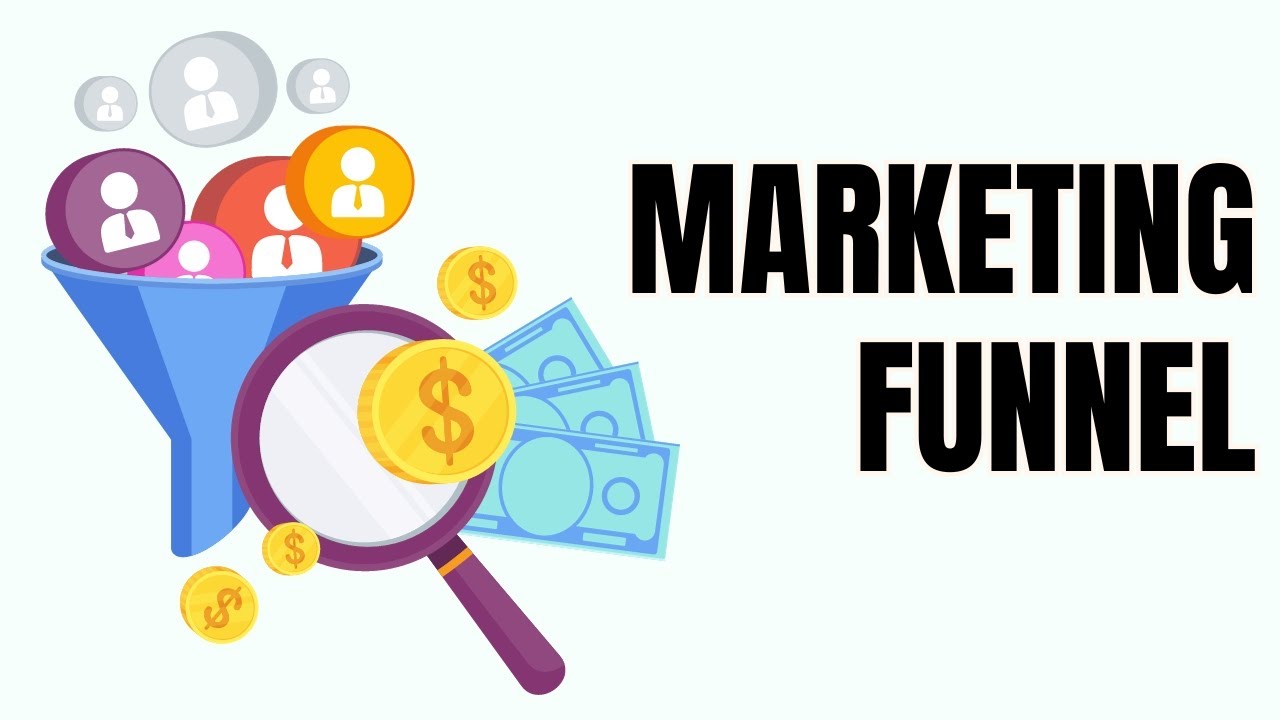
A marketing funnel visualizes the customer journey from their first interaction with your brand to becoming a loyal customer. While models vary, a high-performing digital marketing funnel typically consists of four essential stages, often referred to as TOFU, MOFU, and BOFU (Top, Middle, and Bottom of the Funnel). Understanding each stage is crucial for crafting a cohesive marketing funnel strategy.
Stage 1: Awareness (TOFU) – Capturing Attention and Generating Traffic
The Awareness stage is the widest part of the funnel, where potential customers first discover your brand. The primary goal here is not to sell, but to attract a large, relevant audience by addressing their pain points and questions.
Content at this stage should be educational and easily discoverable. Think blog posts, infographics, social media updates, and videos optimized for search engines (SEO). The focus is on providing value and establishing your brand as a credible resource in your industry.
Stage 2: Consideration (MOFU) – Nurturing Interest and Building Trust
Once a prospect is aware of your brand, they move into the Consideration stage. Here, they are actively researching solutions to their problems. Your goal is to nurture their interest and build trust by showcasing your expertise and demonstrating how your offerings can help.
This is where you can offer more in-depth resources like case studies, webinars, whitepapers, and detailed guides in exchange for contact information. This is a key part of a lead generation marketing funnel, turning anonymous visitors into qualified leads.
Stage 3: Conversion (BOFU) – Inspiring Action and Driving Sales
At the bottom of the marketing funnel, the Conversion stage, prospects are ready to make a purchase. They have done their research and are comparing their final options. Your objective is to persuade them that your solution is the best choice.
Content and offers at this stage are highly targeted and product-focused. This includes free trials, live demos, consultations, and compelling testimonials. Clear calls-to-action (CTAs) and seamless landing pages are critical for optimizing your conversion rate.
Stage 4: Loyalty & Advocacy – Creating Brand Champions
The journey doesn’t end with a purchase. The most successful funnels extend beyond conversion to focus on customer retention and advocacy. The Loyalty stage is about delighting your existing customers and turning them into repeat buyers and brand advocates.
Strategies include personalized email marketing, loyalty programs, excellent customer service, and exclusive content. Happy customers who become advocates provide powerful social proof, feeding the top of your funnel with new, high-quality referrals.
Your Step-by-Step Guide to Building a Powerful Marketing Funnel from the Ground Up

Creating an effective marketing funnel requires a strategic approach. It’s about more than just understanding the stages; it’s about building a cohesive system that guides users seamlessly toward a goal.
Step 1: Define Your Buyer Persona and Map the Customer Journey
Before you can guide anyone through a funnel, you must deeply understand who you’re talking to. Developing a detailed buyer persona is the first step. This fictional representation of your ideal customer should include their demographics, goals, challenges, and motivations.
Once you know who your customer is, map out their customer journey. Identify the key touchpoints and questions they have at each stage of the marketing funnel. This map will become the blueprint for your content and channel strategy.
Step 2: Set Clear KPIs and Goals for Each Funnel Stage
To measure success, you need to set clear, measurable goals for each stage. These Key Performance Indicators (KPIs) will help you understand what’s working and where your funnel is leaking.
- Awareness KPIs: Website traffic, social media reach, keyword rankings.
- Consideration KPIs: Lead magnet downloads, email subscribers, webinar sign-ups.
- Conversion KPIs: Sales, conversion rate, customer acquisition cost (CAC).
- Loyalty KPIs: Customer lifetime value (CLV), repeat purchase rate, net promoter score (NPS).
Step 3: Choose Your Channels and Content for a Full-Funnel Strategy
With your buyer persona and goals defined, you can now select the right channels and create targeted content for each stage. A full-funnel strategy ensures you have relevant content to engage your audience at every step.
- TOFU Content: SEO-optimized blog posts, engaging social media content, educational videos.
- MOFU Content: In-depth ebooks, whitepapers, case studies, and email nurturing sequences.
- BOFU Content: Product comparisons, free trials, customer testimonials, and targeted paid advertising.
Step 4: Implement Marketing Automation and Lead Nurturing Workflows
Manually guiding every lead through the funnel is impossible at scale. This is where marketing automation and a solid funnel CRM come in. At LIEN MMO, we leverage leading SaaS and AI tools to build sophisticated lead nurturing workflows.
Automation allows you to send targeted emails, segment your audience based on behavior, and score leads to identify who is most ready to buy. This ensures a consistent and personalized customer experience, moving prospects through the funnel efficiently.
Proven Strategies in Action: Key Differences and Tactics for B2B and B2C Funnels

While the core stages remain the same, the application of the marketing funnel differs significantly between B2B (business-to-business) and B2C (business-to-consumer) contexts.
The B2B Marketing Funnel: Focusing on Education, Relationships, and Lead Scoring
The B2B marketing funnel is typically longer and more complex. It involves multiple decision-makers, larger investments, and a greater need for trust and relationship-building. The focus is on generating marketing qualified leads (MQLs) and nurturing them until they become sales qualified leads (SQLs).
Key tactics include in-depth content marketing (whitepapers, case studies), webinars, and account-based marketing. Lead scoring is essential to prioritize efforts on the most promising prospects.
The B2C Marketing Funnel: Driving Emotional Connection and Streamlining the Path to Purchase
The B2C marketing funnel is often shorter, with customers making faster, more emotionally driven decisions. The path to purchase needs to be as simple and frictionless as possible.
Strategies revolve around creating a strong brand identity, leveraging social media marketing and influencer collaborations, and using paid advertising to drive immediate action. Email marketing with personalized offers and promotions is also highly effective for driving repeat purchases.
Marketing Funnel vs. Sales Funnel: Clarifying the Crucial Distinction for Team Alignment
The terms “marketing funnel” and “sales funnel” are often used interchangeably, but they represent different, albeit connected, processes. The marketing funnel focuses on generating awareness and nurturing leads. The sales funnel begins once a lead is qualified and focuses on closing the deal.
Understanding this distinction is crucial for aligning your marketing and sales teams. A seamless handoff from marketing to sales is a hallmark of a high-performing revenue engine.
How to Optimize Your Funnel for Maximum Conversions and ROI
Building your marketing funnel is just the beginning. Continuous optimization is where you turn a good funnel into a great one. This involves analyzing data, testing hypotheses, and making iterative improvements.
A/B Testing Your Landing Pages, Ads, and Calls to Action
Never assume you know what works best. A/B testing is the process of comparing two versions of a webpage, ad, or email to see which one performs better. Consistently test your headlines, imagery, offers, and CTAs on your landing pages to improve your conversion rate. Even small changes can lead to significant gains over time.
Analyzing Key Marketing Funnel Metrics: From Customer Acquisition Cost to Lifetime Value
Data is your best friend in funnel optimization. Regularly track and analyze your most important marketing funnel metrics. Customer Acquisition Cost (CAC) tells you how much you spend to get a new customer, while Customer Lifetime Value (CLV) predicts the total revenue a single customer will generate. A healthy business model requires a CLV that is significantly higher than its CAC.
Using Heatmaps and User Feedback to Identify and Fix Leaks in Your Funnel
Metrics tell you what is happening, but qualitative data tells you why. Tools like heatmaps show you where users are clicking and scrolling on your pages, revealing points of friction. Combining this with direct user feedback from surveys and interviews can help you identify and fix leaks in your funnel, improving the overall customer experience.
A successful marketing funnel is not a static model but a dynamic, evolving system that responds to customer needs. By understanding its core stages, building a strategic framework, and continuously optimizing based on data-driven metrics, you can create a powerful engine for growth. This mastery transforms your marketing from a set of disconnected activities into a cohesive journey that builds trust, drives conversions, and fosters long-term brand loyalty in any market.
Ready to build a high-conversion marketing funnel? Contact us at LIEN MMO today for a free consultation. Let our experts help you craft a strategy that leverages the best AI and SaaS tools to deliver real results. Email us at lienmmo@gmail.com to get started.