
Are you struggling to turn website visitors into loyal customers? A high-performance marketing funnel is the engine that drives sustainable business growth, converting casual browsers into dedicated brand advocates. The core of a successful funnel in marketing is understanding and guiding the customer journey. This guide will demystify the process, providing a strategic roadmap to not only boost your conversion rates but also cultivate lasting customer loyalty, ensuring your business thrives in a competitive digital landscape.
What is a Marketing Funnel and Why is it Crucial for Your Business?
A marketing funnel provides a framework to understand and optimize the path potential customers take, from their first interaction with your brand to becoming a loyal advocate. By mapping this journey, businesses can create targeted strategies for each stage, leading to more predictable growth and a higher return on investment.
Defining the Digital Marketing Funnel: From First Glance to Forever Fan
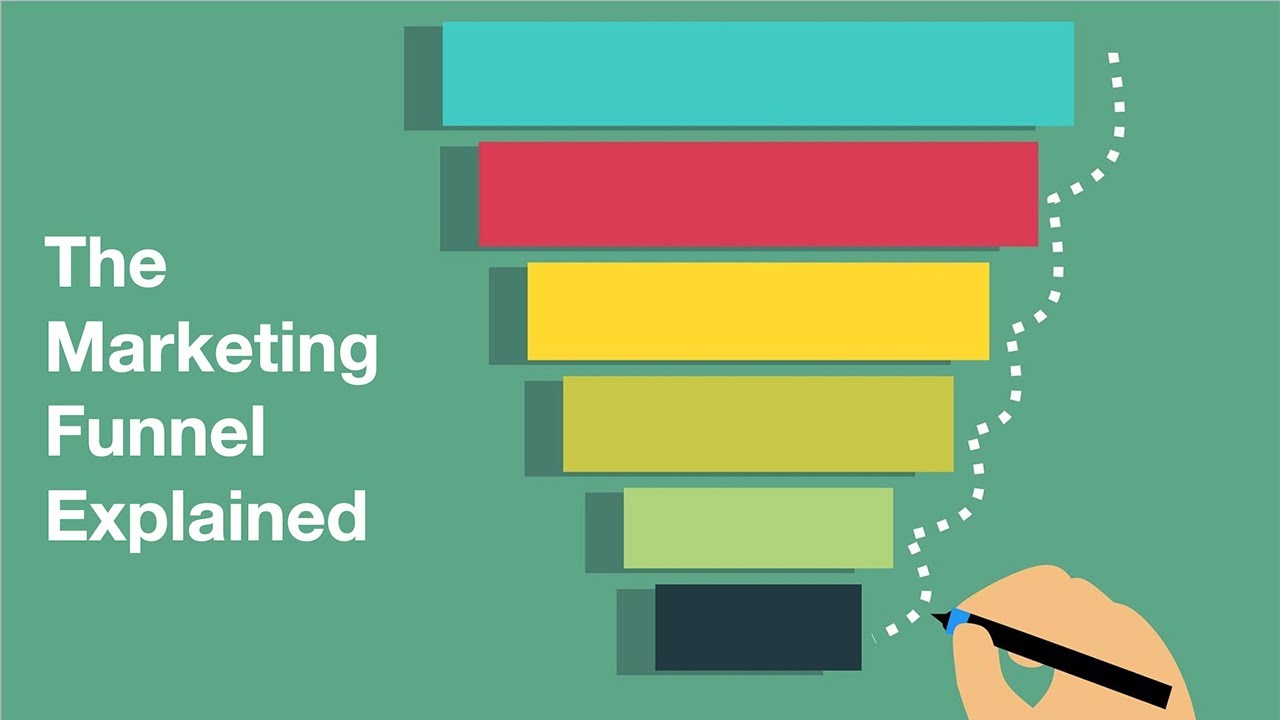
A digital marketing funnel is a model that visualizes the customer’s journey from initial awareness of your brand to making a purchase and beyond. It’s called a funnel because at the top, you cast a wide net to attract a large audience, which then narrows as people move through the stages toward conversion. This process is essential for lead generation and nurturing, helping to turn prospects into advocates.
At LIEN MMO, we specialize in helping businesses leverage AI tools and SaaS services for affiliate marketing, and we’ve seen firsthand how a well-structured funnel transforms marketing efforts from hopeful shots in the dark into a calculated science.
The Core Benefits: How a Funnel Strategy Creates Predictable Growth and ROI
Implementing a marketing funnel strategy offers numerous advantages that contribute to sustainable growth. The primary benefit is its measurability; a funnel allows you to see exactly where you are losing customers, enabling you to pivot your strategy effectively. If prospects drop off at the top, your brand awareness campaign may need refinement.
Other key benefits include:
- Increased Conversions: By tailoring your messaging to each stage, you can address specific customer needs and pain points, guiding them more effectively toward a purchase.
- Improved ROI: A focused approach helps optimize marketing spend by concentrating resources on the most effective tactics for each stage.
- Enhanced Customer Understanding: Mapping the funnel provides deep insights into customer behavior and motivations.
- Stronger Brand Loyalty: The funnel doesn’t end at the sale. A post-purchase strategy helps build lasting relationships and encourages repeat business.
Marketing Funnel vs. Sales Funnel: Understanding the Critical Differences
Though often used interchangeably, marketing and sales funnels have distinct roles. A marketing funnel focuses on generating leads and building brand awareness, casting a wide net to attract a broad audience. Its goal is to educate and engage potential customers, turning them into Marketing Qualified Leads (MQLs).
A sales funnel, on the other hand, is more narrowly focused on converting those qualified leads into customers. It starts with a pre-qualified prospect and involves more direct, person-oriented interactions like sales calls and demos to close the deal. While the marketing funnel builds the initial relationship, the sales funnel nurtures it to a final sale.
The 4 Essential Stages of a High-Converting Marketing Funnel
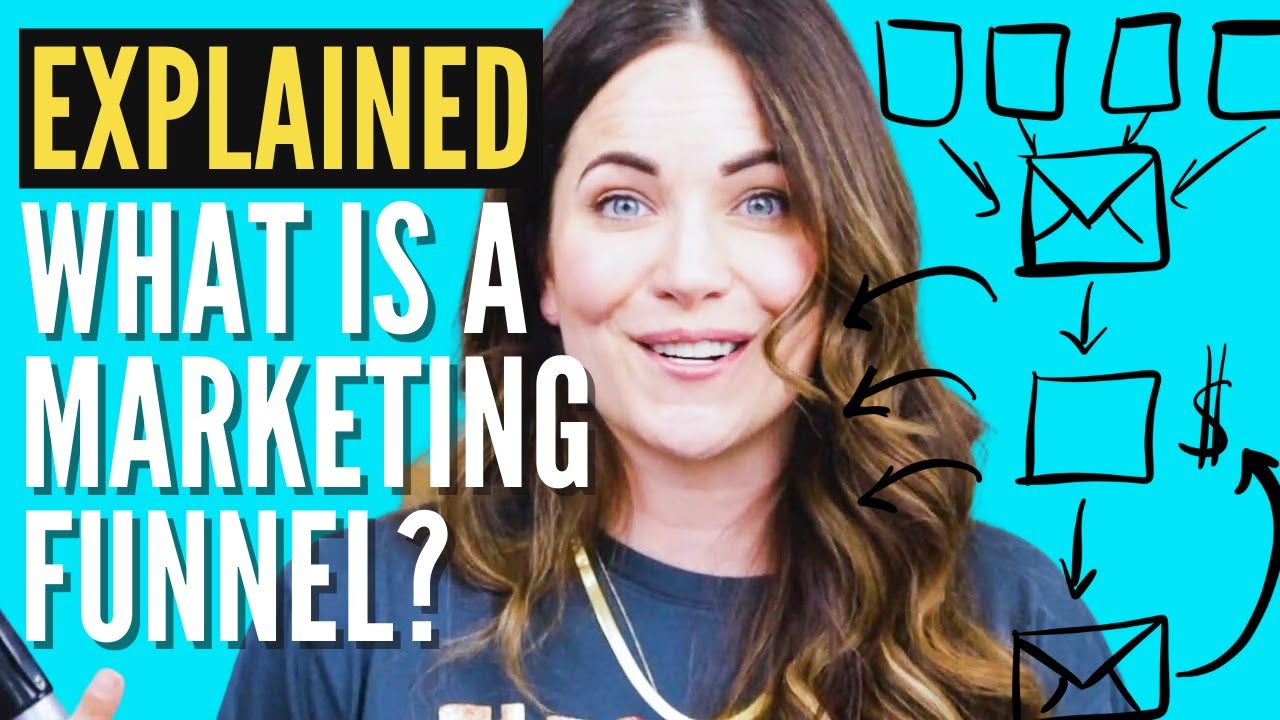
To build an effective strategy, it’s crucial to understand the distinct phases a customer moves through. The most common model breaks the funnel into four key stages: Awareness, Consideration, Conversion, and Loyalty, often referred to by the acronyms TOFU, MOFU, and BOFU for the first three stages.
Stage 1 (TOFU – Top of Funnel): Building Awareness and Attracting Your Target Audience
The awareness stage is the top of the funnel (TOFU), where potential customers first become aware of your brand and the problem you solve. The goal here is not to sell, but to attract and educate a broad audience.
Content marketing is key at this stage. Think blog posts, social media updates, infographics, and videos that address common pain points your target audience faces. Effective SEO and paid advertising campaigns can also drive significant traffic and build initial brand recognition.
Stage 2 (MOFU – Middle of Funnel): Nurturing Interest and Consideration with Value-Driven Content
Once a prospect is aware of your brand, they enter the middle of the funnel (MOFU), or the consideration stage. Here, they are actively researching solutions to their problem. Your objective is to nurture their interest and position your brand as the best possible solution.
Value-driven content like detailed guides, webinars, case studies, and product comparisons are highly effective at this stage. This is where you build trust and demonstrate your expertise, helping to move leads from being simply aware to seriously considering a purchase.
Stage 3 (BOFU – Bottom of Funnel): Driving Conversions and Purchase Decisions
The bottom of the funnel (BOFU) is the conversion stage, where interested prospects are ready to make a purchase decision. Your marketing efforts should now focus on giving them the final nudge they need to convert.
Irresistible offers such as free trials, live demos, discount codes, and customer testimonials can be incredibly persuasive. Clear calls-to-action (CTAs) and a seamless checkout process are critical to closing the sale and minimizing friction.
Stage 4 (Post-Purchase): Cultivating Loyalty and Creating Brand Advocates
The journey doesn’t end once a purchase is made. The final stage focuses on loyalty and retention. Delighted customers are more likely to make repeat purchases and become powerful brand advocates who spread positive word-of-mouth.
Implement customer loyalty programs, request reviews and testimonials, and maintain communication through email marketing with exclusive content and offers. This post-purchase engagement is vital for building a sustainable business and increasing customer lifetime value.
How to Build Your Own Marketing Funnel from Scratch: A Step-by-Step Guide
Creating a high-performance marketing funnel requires a strategic, step-by-step approach. By understanding your audience and crafting targeted content for each stage, you can build a system that consistently turns strangers into loyal customers.
Step 1: Define Your Buyer Persona and Understand Their Pain Points
The foundation of any successful funnel in marketing is a deep understanding of your target audience. Before you create any content, you must define your buyer persona—a detailed profile of your ideal customer. Consider their demographics, goals, challenges, and motivations. What are their primary pain points? Answering this question will allow you to tailor your messaging and solutions directly to their needs.
Step 2: Create Compelling Lead Magnets to Capture Interest (Awareness)
To move people from the awareness stage into your funnel, you need to capture their contact information. The most effective way to do this is with a compelling lead magnet. This is a free, valuable resource you offer in exchange for an email address. Examples include ebooks, checklists, templates, webinars, or free trials. The key is to offer something that directly addresses a pain point for your buyer persona.
Step 3: Design High-Converting Landing Pages and Nurturing Email Sequences (Consideration)
Your lead magnet needs a dedicated landing page with a clear value proposition and a simple form. Once you’ve captured a lead, the nurturing process begins. Develop an automated email marketing sequence that delivers value and builds a relationship. This sequence should educate your leads, showcase your expertise with case studies and testimonials, and gently guide them toward your solution.
Step 4: Craft Irresistible Offers and Calls-to-Action (Conversion)
As leads move to the bottom of the funnel, your communication should become more direct. Craft an irresistible offer they can’t refuse. This could be a limited-time discount, a bonus package, or a free consultation. Your calls-to-action (CTAs) must be clear, urgent, and persuasive, guiding the user to the final step of making a purchase.
Step 5: Implement a Customer Loyalty Program and Gather Testimonials (Loyalty)
After the sale, the focus shifts to retention and advocacy. Implement a customer loyalty program to encourage repeat business. Follow up with customers to ask for reviews and testimonials, which provide powerful social proof for new prospects in the consideration stage. A strong post-purchase experience transforms one-time buyers into lifelong fans.
Real-World Success: Marketing Funnel Examples in Action
To better understand how these principles work in practice, let’s explore two common scenarios: a B2C ecommerce brand and a B2B SaaS company. Each uses a tailored funnel to guide their specific audience from discovery to purchase.
The B2C Funnel: How an Ecommerce Brand Turns Browsers into Repeat Buyers
An ecommerce brand’s funnel often begins with visually driven content on social media (Awareness). A potential customer sees an ad for a product, clicks through to the website, and is immediately prompted with a pop-up offering a 10% discount for signing up for the newsletter (Consideration/Lead Capture).
After browsing, they might add an item to their cart but leave without purchasing. An automated abandoned cart email sequence kicks in, reminding them of the product and perhaps offering free shipping to incentivize the purchase (Conversion). Once they buy, they are added to a customer loyalty program and receive emails with related products and exclusive offers, encouraging repeat purchases (Loyalty).
The B2B Funnel: A SaaS Company’s Strategy for Nurturing Leads to Long-Term Contracts
A B2B SaaS company’s funnel is typically longer and more content-heavy due to the higher price point and more complex decision-making process. It starts with attracting potential leads through SEO-optimized blog posts or LinkedIn content that addresses industry pain points (Awareness).
A visitor might download a free whitepaper or register for a webinar, becoming a lead (Consideration). This triggers a lead nurturing email sequence that provides case studies and educational content. Eventually, the lead is invited to book a one-on-one demo with a sales representative (Conversion). After signing up, they receive comprehensive onboarding and support to ensure success, which helps drive long-term retention and potential upsells (Loyalty).
Advanced Strategies for Marketing Funnel Optimization
Building a funnel is just the beginning. To achieve mastery, you must continuously analyze, test, and refine your approach. Optimization is an ongoing process that turns a good funnel into a high-performance growth engine.
Using A/B Testing to Continuously Improve Conversion Rates at Each Stage
A/B testing, or split testing, is a powerful method for optimizing your funnel. It involves creating two versions of an element—such as a landing page headline, an email subject line, or a CTA button color—and showing them to different segments of your audience to see which one performs better.
By systematically testing one variable at a time, you can make data-driven decisions to improve performance at every stage. This iterative process allows you to steadily increase your conversion rates and maximize the effectiveness of your marketing efforts.
The Power of Retargeting in a Full-Funnel Marketing Strategy
Not everyone who enters your funnel will convert on the first visit. Retargeting is a crucial strategy for re-engaging users who have shown interest but didn’t take the desired action. By placing a tracking pixel on your website, you can serve targeted ads to these users as they browse other sites or social media platforms.
Retargeting keeps your brand top-of-mind and provides a gentle nudge to bring potential customers back to your site to complete their purchase. It’s an effective tactic for every stage of the funnel, from building awareness to driving repeat sales.
Key Metrics to Track: Measuring Success from Customer Acquisition Cost to Lifetime Value
To optimize your funnel, you must track the right marketing metrics. Monitoring key performance indicators (KPIs) provides the insights needed to identify bottlenecks and opportunities for improvement.
Key metrics to track include:
- Top of Funnel: Website Traffic, Click-Through Rate (CTR), Impressions.
- Middle of Funnel: Lead Conversion Rate, Cost Per Lead (CPL), Email Engagement Rates.
- Bottom of Funnel: Sales Conversion Rate, Customer Acquisition Cost (CAC), Average Order Value (AOV).
- Post-Purchase: Customer Lifetime Value (CLV), Customer Retention Rate.
Mastering your marketing funnel is not just about making a single sale; it’s about building a predictable, scalable system for growth. By understanding each stage, from awareness to advocacy, and continuously optimizing your strategy, you can create a powerful engine that not only boosts conversions but also fosters deep customer loyalty. This strategic approach transforms your marketing efforts from a cost center into a reliable revenue-generating machine, securing your brand’s long-term success.
Ready to build a marketing funnel that drives results? At LIEN MMO, we introduce top-tier AI tools and SaaS services to enhance your affiliate marketing efforts. Contact our experts at lienmmo@gmail.com for a free consultation and start converting more leads into loyal customers!