Are you struggling to turn website visitors into loyal customers? The digital marketing funnel is your roadmap to success. This comprehensive guide breaks down how to build, optimize, and automate a powerful funnel that attracts your ideal audience, nurtures them with valuable content, and drives conversions. Unlock the secrets to sustainable growth, increase your ROI, and build a trusted brand by mastering the essential stages of the modern customer journey.
What is a Digital Marketing Funnel and Why is it Crucial for Your Business?
Understanding the digital marketing funnel is the first step toward transforming your online presence from a simple brochure into a powerful customer acquisition machine. It’s a strategic model that maps out the entire customer journey, from the first moment a person learns about your brand to the point they become a loyal advocate.
Demystifying the Digital Marketing Funnel: From First Contact to Loyal Advocate
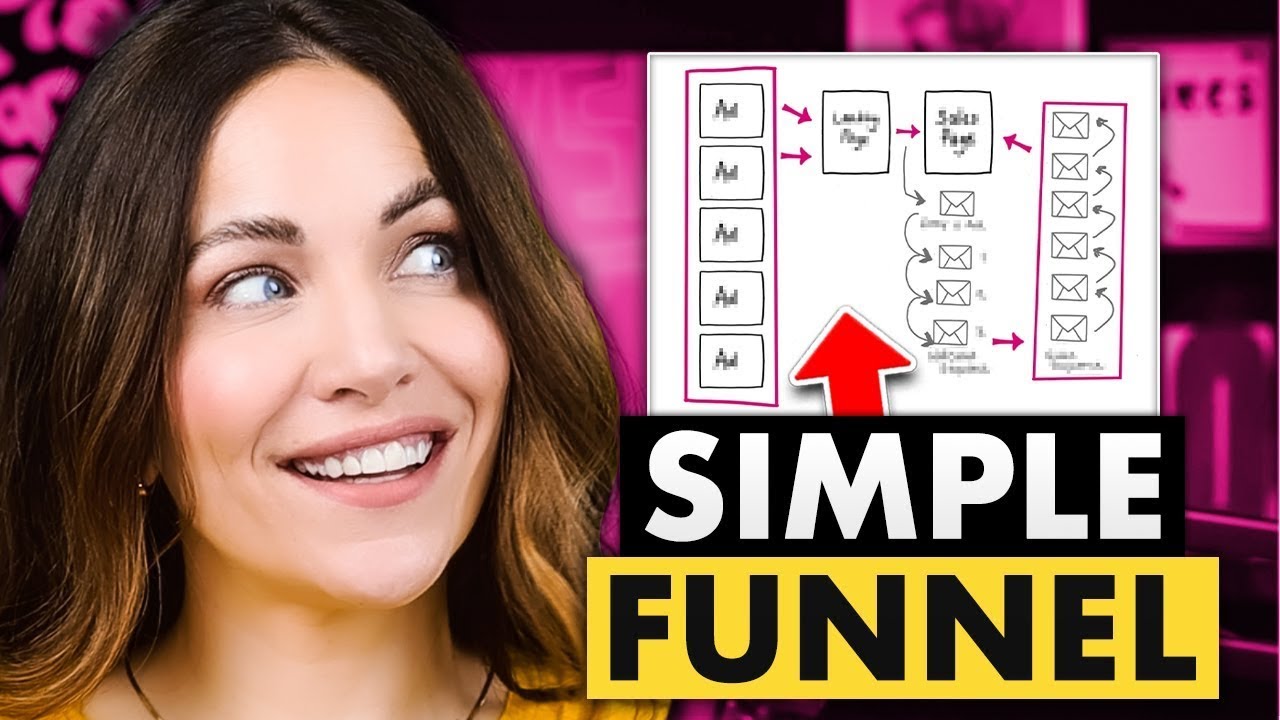
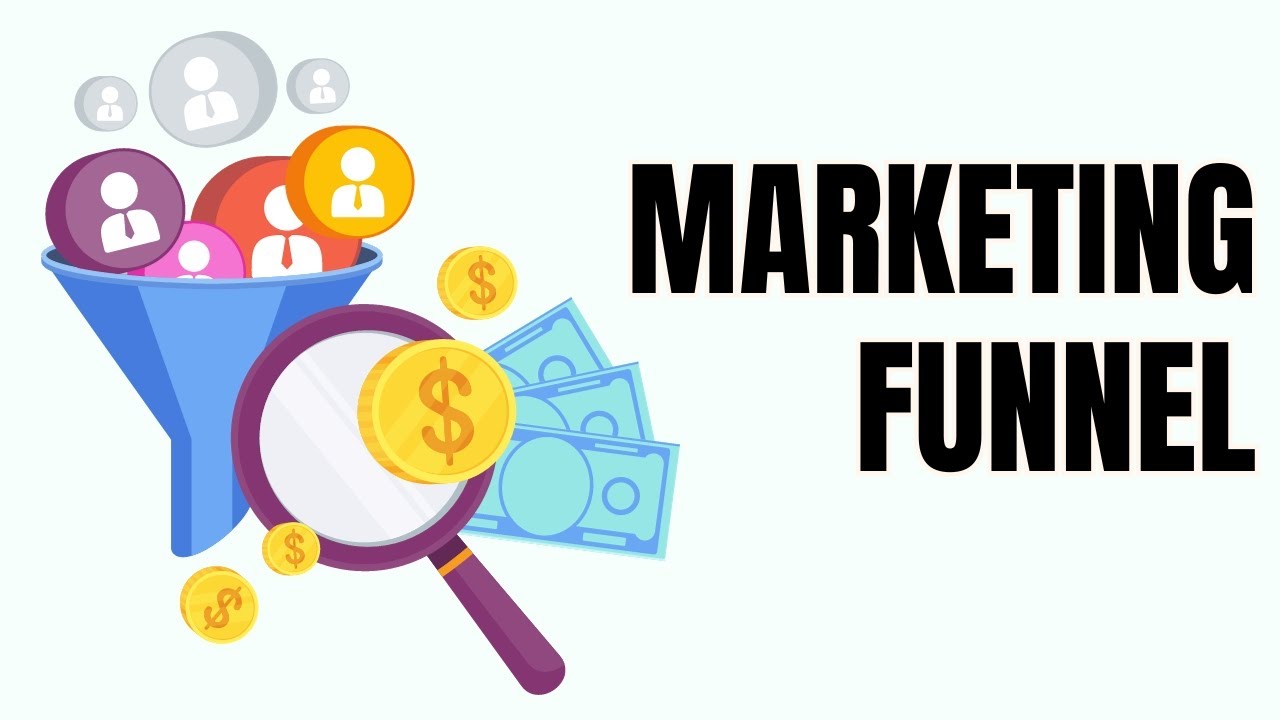
A digital marketing funnel visualizes the process of turning leads into customers. Think of it as a series of stages a potential customer goes through. At the top, the funnel is wide, capturing a large audience. As people move down, the funnel narrows, filtering out those who aren’t a good fit and nurturing the most promising prospects toward a purchase. This journey is essential for understanding customer behavior and creating targeted marketing campaigns.
The Core Benefits: How a Funnel Strategy Boosts ROI and Customer Retention
Implementing a well-defined digital marketing funnel strategy offers numerous advantages. It provides a clear framework for lead generation and lead nurturing, making your marketing efforts more predictable and measurable. By understanding each funnel stage, you can deliver the right message at the right time, significantly improving your conversion rate optimization. This targeted approach not only boosts your marketing ROI but also enhances the customer experience, leading to greater customer loyalty and retention.
Digital Marketing Funnel vs. Sales Funnel: Understanding the Key Differences
While often used interchangeably, the digital marketing funnel and sales funnel have distinct roles. The marketing funnel is broader, focusing on brand awareness and lead generation. Its primary goal is to attract and engage a target audience, qualifying them as marketing qualified leads (MQLs). The sales funnel, on the other hand, is narrower and focuses on converting those MQLs into paying customers. It deals with the final stages of the purchase decision, such as demos, quotes, and closing the deal.
The Essential Stages of a High-Converting Digital Marketing Funnel
A successful digital marketing funnel is typically broken down into four key stages, often referred to as TOFU (Top of Funnel), MOFU (Middle of Funnel), and BOFU (Bottom of Funnel). Each stage requires different strategies and content to effectively guide the user.
Stage 1: Awareness (TOFU) – Capturing Attention with SEO and Content Marketing
The awareness stage is at the top of the funnel. The goal here is to attract a wide audience and make them aware of a problem they have and that your brand exists as a potential solution. Content marketing and SEO are your most powerful tools at this stage. Blog posts, infographics, social media marketing, and videos that address common pain points can drive significant website traffic and build initial brand awareness.
Stage 2: Interest & Consideration (MOFU) – Nurturing Leads with Webinars, Case Studies, and Email Marketing
Once a user is aware of your brand, they move into the consideration stage. Here, they are actively researching solutions. Your goal is to build trust and position your brand as the best choice. This is where you provide more in-depth content like detailed guides, eBooks, webinars, and case studies. Email marketing becomes crucial for lead nurturing, allowing you to build a relationship and provide value directly to their inbox.
Stage 3: Conversion (BOFU) – Driving Action with Compelling Offers and Optimized Landing Pages
At the bottom of the funnel, the prospect is ready to make a purchase decision. The conversion stage is all about making it as easy and compelling as possible for them to take action. This involves creating high-converting landing pages, offering free trials, demos, or special discounts, and using clear calls-to-action (CTAs). Testimonials and reviews are also powerful at this stage to build final trust.
Stage 4: Loyalty & Advocacy – Fostering Retention with Personalized Follow-ups and Loyalty Programs
The journey doesn’t end at the sale. The most successful businesses focus on customer retention. The loyalty stage is about turning a one-time customer into a repeat buyer and, ultimately, a brand advocate. Strategies include personalized email follow-ups, excellent customer service, loyalty programs, and requesting feedback. Happy customers become your best marketers, driving referrals and positive reviews.
How to Build Your Digital Marketing Funnel from Scratch: A Step-by-Step Guide
Creating a digital marketing funnel from the ground up may seem daunting, but it can be broken down into a manageable, step-by-step process.
Step 1: Define Your Target Audience and Create Detailed Buyer Personas
You cannot build an effective funnel without a deep understanding of who you’re trying to reach. Start by researching your target audience. Create detailed buyer personas that outline their demographics, pain points, motivations, and online behavior. This will inform every other aspect of your funnel, from content creation to channel selection.
Step 2: Set Clear, Measurable Funnel Goals and KPIs for Each Stage
For your funnel to be effective, you need to know what success looks like. Set specific, measurable, achievable, relevant, and time-bound (SMART) goals for each stage. Key funnel metrics and KPIs to track include website traffic, bounce rate, conversion rates at each stage, customer acquisition cost (CAC), and customer lifetime value (CLV).
Step 3: Create and Map High-Value Content to Each Funnel Stage
With your personas and goals defined, it’s time to create content. Map different content types to each funnel stage. For example, blog posts for awareness, in-depth eBooks for consideration, and customer testimonials for conversion. Ensure your content provides genuine value and addresses your audience’s needs at each point in their customer journey.
Step 4: Choose the Right Marketing Channels to Drive Traffic (Paid Advertising, Social Media, SEO)
Your content needs to be seen by the right people. Determine which marketing channels your target audience uses most. This could be a mix of organic channels like SEO and social media marketing, as well as paid advertising on platforms like Google Ads or Facebook. A multi-channel approach often yields the best results for driving traffic to the top of your funnel.
Step 5: Implement Lead Nurturing Workflows to Guide the Customer Journey
Once you capture a lead, you need a system to guide them through the funnel. This is where lead nurturing comes in. Use email marketing and marketing automation to send a series of targeted messages that build a relationship and gently push the lead toward the next stage. A well-planned workflow ensures no lead falls through the cracks.
Supercharge Your Funnel: Advanced Optimization and Automation Strategies
Building a funnel is just the beginning. To achieve sustainable growth, you must continuously optimize and automate your processes. At LIEN MMO, we leverage data and technology to refine our clients’ funnels for maximum performance.
Conversion Rate Optimization (CRO): Using A/B Testing and UX Improvements to Plug Leaks
Your funnel will always have “leaks”—points where users drop off. Conversion rate optimization (CRO) is the process of finding and fixing these leaks. Use A/B testing on your landing pages, CTAs, and email subject lines to see what resonates best with your audience. Improving user experience (UX) on your website can also have a massive impact on conversions.
Marketing Automation: How to Use Tools to Nurture Leads and Scale Your Efforts
Marketing automation is a game-changer for scaling your digital marketing funnel. Tools like HubSpot, Mailchimp, or ActiveCampaign can automate repetitive tasks like sending emails, segmenting leads, and tracking user behavior. This frees up your time to focus on strategy while ensuring every lead receives a personalized and timely experience.
Data-Driven Insights: Analyzing Funnel Metrics to Identify Opportunities for Growth
Data is the lifeblood of an optimized funnel. Regularly analyze your funnel metrics to understand what’s working and what isn’t. Tools like Google Analytics can provide invaluable data-driven insights into user behavior. By tracking KPIs for each stage, you can pinpoint weaknesses and identify the biggest opportunities for improvement and growth.
Leveraging AI to Personalize the Customer Journey at Scale
Artificial Intelligence (AI) is revolutionizing the digital marketing funnel. AI tools can analyze vast amounts of data to deliver hyper-personalized content recommendations, predict user behavior, and power chatbots for instant customer support. Leveraging AI allows you to personalize the customer journey at a scale that was previously impossible, significantly boosting engagement and conversions.
Real-World Digital Marketing Funnel Examples for Inspiration
Theory is great, but seeing the funnel in action provides clarity. Here are a few digital marketing funnel examples to inspire your own strategy.
Case Study 1: How a B2B SaaS Company Uses an Inbound Marketing Funnel for Lead Generation
A B2B SaaS company might use an inbound marketing funnel to generate high-quality leads. They could create a blog post optimized for SEO (Awareness), offer a free eBook in exchange for an email address (Consideration), invite leads to a product demo webinar (Conversion), and provide excellent onboarding and support to foster loyalty (Retention).
Case Study 2: An E-commerce Brand’s Strategy for Optimizing their Funnel for Customer Retention
An e-commerce brand might focus on customer retention. After the initial purchase (Conversion), they could use email marketing to send personalized product recommendations, offer exclusive discounts to repeat customers, and create a loyalty program that rewards frequent shoppers, turning them into brand advocates.
Case Study 3: A Small Business Funnel Leveraging Social Media and Email Marketing
A local service-based small business, like a fitness studio, could use a simple yet effective funnel. They might run targeted Facebook ads offering a free class (Awareness/Consideration), direct users to an easy-to-use online booking page (Conversion), and then use email marketing to share workout tips and promote membership packages to new attendees (Retention).
Building a successful digital marketing funnel is not a one-time task but an ongoing process of refinement. By understanding each stage, creating targeted content, and continuously optimizing based on data, you can create a powerful engine for growth. This strategic approach will not only boost your conversion rates but also build a loyal customer base, ensuring the long-term success and authority of your brand in the digital landscape.
Ready to build a high-performance digital marketing funnel? Contact us at LIEN MMO today for a free consultation. Let our experts help you craft a tailored strategy that drives measurable results and accelerates your business growth. You can reach us via our website at https://lienmmo.com/ or by email at lienmmo@gmail.com.