A high-converting content marketing sales funnel is your strategic roadmap to turning strangers into loyal customers. It works by attracting your target audience with valuable content, building trust by solving their problems, and guiding them seamlessly toward a purchase decision. This expert guide provides a step-by-step framework to build a powerful funnel that not only generates leads and boosts sales but also establishes lasting brand authority and sustainable traffic.
How to Build a High-Converting Content Marketing Funnel in 5 Actionable Steps
Creating a successful content marketing funnel requires a structured approach. It’s about more than just creating content; it’s about delivering the right message to the right person at the right time. At LIEN MMO, we’ve refined this process into five actionable steps that form the foundation of a robust sales process and customer acquisition strategy.
Step 1: Define Your Target Audience and Map the Buyer’s Journey
Before you write a single word, you must know who you’re talking to. Developing detailed buyer personas is the critical first step. Understand their demographics, goals, challenges, and pain points. What keeps them up at night? What solutions are they actively searching for?
Once you have a clear picture of your target audience, map out their Buyer’s journey. This journey typically consists of three core stages: Awareness, Consideration, and Decision. Understanding the customer’s mindset and questions at each phase allows you to create content that meets their needs precisely, guiding them from one stage to the next.
Step 2: Conduct SEO Keyword Research for Each Funnel Stage
With your audience and their journey defined, the next step is to uncover the specific search terms they use at each stage. This is where strategic SEO comes into play. The intent behind a keyword changes drastically as a user moves through the content funnel.
- Top of the Funnel (TOFU): Keywords are often informational and question-based (e.g., “what is content marketing,” “how to increase website traffic”).
- Middle of the Funnel (MOFU): Keywords become more solution-oriented (e.g., “best content marketing tools,” “content funnel strategy examples”).
- Bottom of the Funnel (BOFU): Keywords are transactional and brand-focused (e.g., “[Your Brand] pricing,” “buy content marketing software”).
Step 3: Create and Map Your Content to the Funnel Stages
Now it’s time for content creation. The key is to develop specific content formats that align with the user’s intent at each phase of your content marketing funnel. Your goal is to provide value and answer their questions, building trust along the way.
For instance, a blog post is perfect for the Awareness stage, while a detailed comparison guide or case study is more effective at the Decision stage. We will explore specific content for each stage of the funnel later in this guide.
Step 4: Strategize Content Distribution and Promotion Channels
Creating great content is only half the battle. You need a solid distribution strategy to ensure it reaches your target audience. Your promotion channels should align with where your audience spends their time.
Leverage a mix of channels, including organic search (SEO), email marketing, social media, and paid advertising. A well-rounded digital marketing approach ensures your valuable content gets the visibility it deserves, driving traffic to the top of your funnel.
Step 5: Implement Lead Nurturing and Marketing Automation
Once a visitor engages with your content, the lead nurturing process begins. This is where you build a relationship and guide them deeper into the funnel. Use a compelling lead magnet, like an ebook or webinar, to capture their contact information.
From there, marketing automation software can be used to send targeted email sequences, segment your audience based on their behavior, and deliver relevant content that moves them closer to a purchase. This systematic approach ensures no lead falls through the cracks.
Understanding the 3 Core Stages of the Content Marketing Funnel
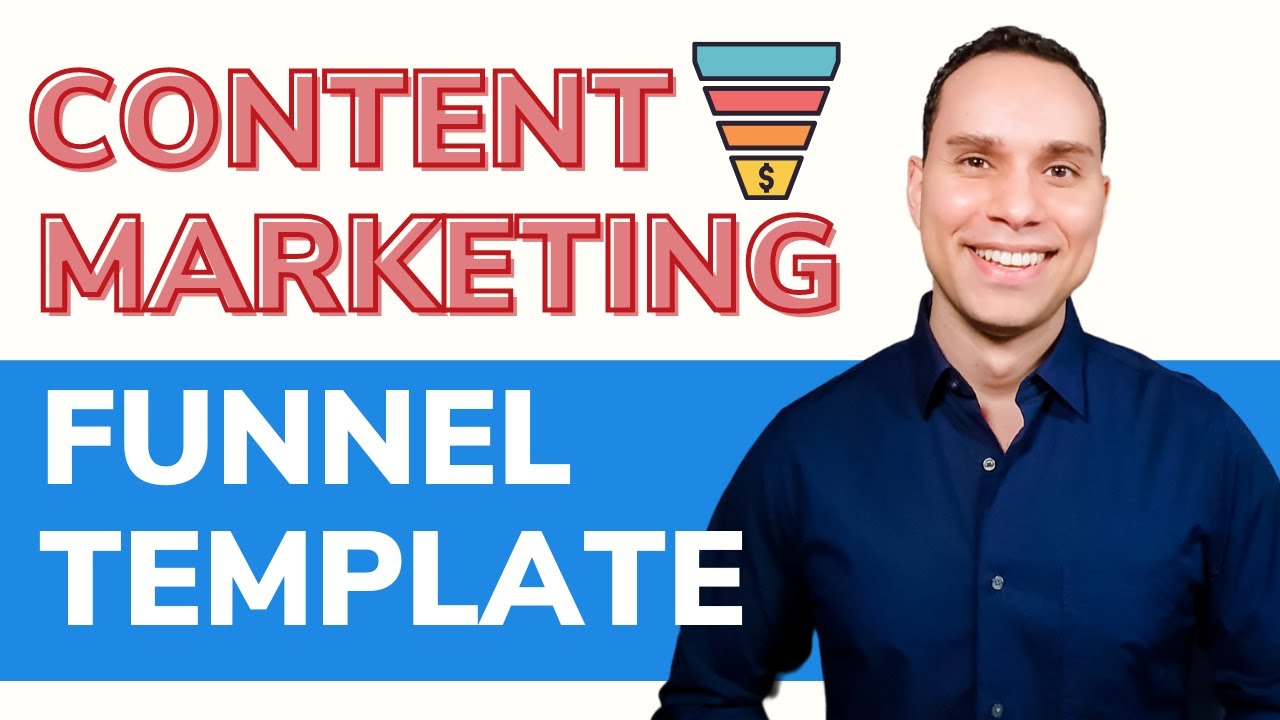
The content marketing funnel (TOFU, MOFU, BOFU) is a model that visualizes the customer journey from initial awareness to final purchase. Each stage requires a different content strategy to effectively engage and convert your audience.
Top of the Funnel (TOFU): The Awareness Stage
At the top of the funnel, your potential customers are experiencing a problem or have a need, and they are looking for answers and information. The primary goal here is not to sell but to educate and build brand awareness.
Your content should address their pain points and questions in a general, helpful way. The focus is on attracting a broad audience and establishing your brand as a credible, trustworthy resource in your industry.
Middle of the Funnel (MOFU): The Consideration Stage
Once a prospect moves into the middle of the funnel, they have clearly defined their problem and are now researching and evaluating potential solutions. They are aware of your brand and are considering whether you are the right fit.
Here, your content should be more in-depth, showcasing your expertise and helping them compare their options. The goal is to nurture these prospects, build a deeper relationship, and position your solution as the best choice. This is where leads often become Marketing Qualified Leads (MQLs).
Bottom of the Funnel (BOFU): The Decision Stage
At the bottom of the funnel, the prospect is ready to make a purchase. They have done their research and are comparing final options before committing. They may be looking for validation that your product or service is the right investment.
Content at this stage should be conversion-focused, highlighting the unique value of your offer and making it easy for them to buy. This is where MQLs can become Sales Qualified Leads (SQLs) and, ultimately, new customers.
Proven Content Ideas That Drive Conversions at Each Stage
Aligning your content creation with the funnel stages is essential for effective lead generation. Here are proven content marketing funnel examples that work for each phase.
Top of Funnel Content Examples: Attracting the Right Traffic
The goal of TOFU content is to attract visitors and introduce them to your brand. This content should be easily shareable and optimized for search engines to cast a wide net.
- Blog Posts: Address common questions and pain points with “how-to” guides, listicles, and thought leadership articles.
- Social Media Updates: Share engaging visuals, short videos, and infographics to capture attention and drive traffic.
- Infographics: Present complex information in a visually appealing and easy-to-digest format.
- Videos: Create educational or entertaining videos that introduce concepts related to your industry.
For more inspiration, there are many excellent real-world top of funnel content examples from leading brands that effectively build awareness.
Middle of Funnel Content Examples: Nurturing Qualified Leads
MOFU content is typically gated, meaning users must provide their contact information to access it. This is the crucial step where a visitor becomes a lead.
- Ebooks & Whitepapers: Offer in-depth guides that provide a comprehensive solution to a specific problem.
- Case Studies: Show, don’t just tell. Demonstrate how your product or service has helped real customers achieve success.
- Webinars: Host live or on-demand events that educate your audience on a relevant topic and showcase your expertise.
- Email Courses: Deliver a series of educational emails that nurture leads over time.
Bottom of Funnel Content Examples: Closing the Sale
BOFU content should overcome any final objections and persuade the lead to take action. This content needs to be highly specific and product-focused.
- Free Trials & Demos: Allow potential customers to experience your product or service firsthand.
- Testimonials & Reviews: Provide social proof from happy customers to build trust and credibility.
- Comparison Guides: Create detailed comparisons between your solution and your competitors’ to highlight your advantages.
- Consultations & Quotes: Offer personalized sessions to help leads understand how your solution fits their specific needs.
How to Optimize Your Funnel and Measure ROI for Maximum Impact
Building a content marketing sales funnel isn’t a “set it and forget it” task. Continuous optimization and measurement are key to maximizing your return on investment (ROI). Analyzing content performance measurement allows you to understand what’s working and where you can improve.
Key Metrics to Track: Measuring Content Performance
To effectively optimize your funnel, you need to track the right metrics. Focus on data that shows how users are moving from one stage to the next.
- Marketing Qualified Leads (MQLs): An MQL is a lead who has shown interest and is more likely to become a customer than other leads. Tracking the number of MQLs generated by your content is a key indicator of MOFU success. The specific actions that define Marketing qualified leads (MQLs) can vary, but often include downloading an ebook or signing up for a webinar.
- Sales Qualified Leads (SQLs): An SQL is a lead that the sales team has accepted as ready for a direct sales follow-up. The MQL-to-SQL conversion rate is a crucial metric for measuring the alignment between marketing and sales.
- Conversion Rate: This is the ultimate measure of success. Track the percentage of leads who become paying customers. This tells you how effective your BOFU content and sales process are.
A/B Testing Your Content and Calls-to-Action
Don’t assume you know what works best. Continuously test different elements of your content funnel. A/B test headlines, calls-to-action (CTAs), landing page layouts, and email subject lines to identify what resonates most with your audience and drives the highest conversion rates. Even small changes can lead to significant improvements over time.
Analyzing the Customer Journey to Identify and Fix Leaks
Use analytics tools to map the customer journey through your website and content. Identify pages with high exit rates or points in the funnel where a significant number of users drop off. These “leaks” are opportunities for optimization. By understanding where you’re losing potential customers, you can make targeted improvements to your content or user experience to keep them engaged.
Building a content marketing sales funnel is a dynamic and essential process for modern digital marketing success. By deeply understanding your audience, creating targeted content for each stage—from Awareness to Decision—and consistently measuring your performance, you can create a powerful engine for growth. This strategic approach not only drives immediate sales but also builds a loyal customer base and solidifies your brand’s reputation as a trusted industry leader.
Ready to turn your content into a conversion machine? Contact us at LIEN MMO today for a free consultation and let our experts help you build a content marketing funnel that delivers results. You can reach us at lienmmo@gmail.com to start the conversation.