
In today’s competitive digital landscape, attracting and converting customers is more challenging than ever. An optimized content marketing funnel is the ultimate solution to this problem. It acts as a strategic roadmap, guiding your target audience from initial awareness to becoming loyal customers. This article provides a comprehensive, step-by-step guide to building and optimizing your content marketing funnel for maximum conversions, sustainable traffic growth, and long-term brand authority.
Why Your Business Needs a High-Converting Content Marketing Funnel
Simply creating content without a clear strategy is like navigating without a map—you might be moving, but you’re likely not heading toward your destination. A well-structured funnel provides that direction, ensuring every piece of content serves a purpose in the buyer’s journey. It transforms your content from a simple resource into a powerful engine for lead generation and sales.
What is a Content Marketing Funnel? A Simple Explanation for B2B and B2C
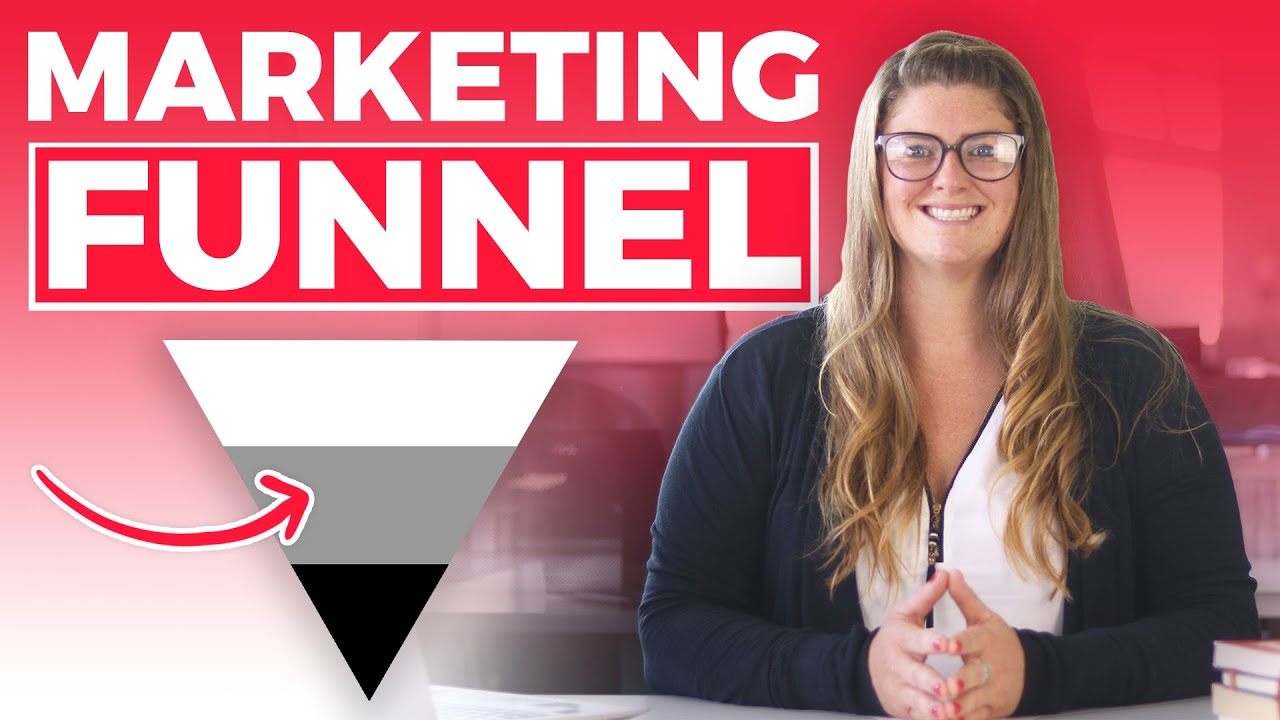
A content marketing funnel is a system designed to attract strangers and guide them through a series of steps to become customers. It visualizes the customer journey, from the first time they hear about your brand to the moment they make a purchase. The “funnel” metaphor is used because you start with a large audience at the top, and as you move down, the audience becomes smaller but more qualified and likely to convert.
Whether you are in B2B or B2C, the core principles of the funnel remain the same. The primary difference lies in the length of the sales cycle and the type of content used. B2B funnels often involve a longer consideration stage with more in-depth content like whitepapers and case studies, while B2C funnels might be shorter, relying on social proof, reviews, and engaging videos.
The Unignorable Benefits: From Brand Awareness to Increased ROI
Implementing a strategic content marketing funnel offers significant advantages. It aligns your marketing efforts with consumer needs, building trust and credibility at every touchpoint. This approach not only improves brand awareness but also delivers a measurable return on investment (ROI).
By mapping content to each stage, you can systematically address your audience’s questions and pain points. This builds a relationship, making them more receptive to your solution when they reach the decision stage. The result is a more predictable stream of qualified leads and a higher overall conversion rate. At LIEN MMO, we’ve seen firsthand how a structured funnel turns content into a reliable source of revenue.
The Core Stages of the Content Marketing Funnel (TOFU, MOFU, BOFU)

The content marketing funnel stages are typically broken down into three core sections: Top of the Funnel (TOFU), Middle of the Funnel (MOFU), and Bottom of the Funnel (BOFU). Understanding the purpose of each stage is crucial for creating an effective content strategy for conversions.
Top of the Funnel (TOFU): Building Awareness and Generating Traffic
The TOFU stage is all about awareness. The goal here is to attract a broad audience who may be experiencing a problem that your business can solve, even if they don’t know it yet. The content at this stage should be educational and engaging, not sales-oriented.
- Goal: Attract a large audience, generate organic traffic, and introduce your brand.
- Audience Question: “What is my problem?”
- Content Types: Blog posts, social media updates, infographics, short videos, and podcasts.
- Example: A SaaS company offering project management tools might create a blog post titled “5 Signs Your Team is Suffering from Project Overload.”
Middle of the Funnel (MOFU): Nurturing Leads and Building Trust
Once you’ve captured someone’s attention at the TOFU stage, the MOFU is where you begin to build a relationship and position your business as a credible solution. This is the consideration stage, where potential customers are actively researching and comparing options. Effective lead nurturing is key here.
- Goal: Capture leads, build trust, and educate the audience about potential solutions.
- Audience Question: “What are the possible solutions to my problem?”
- Content Types: In-depth ebooks, webinars, whitepapers, checklists, and case studies.
- Example: The same SaaS company could offer a downloadable ebook titled “The Ultimate Guide to Choosing Project Management Software” in exchange for an email address.
Bottom of the Funnel (BOFU): Driving Conversions and Sales
The BOFU stage is the final step—the decision stage. Your prospect is now well-informed and close to making a purchase. The content here should be highly targeted, highlighting why your specific product or service is the best choice. It’s time to make a direct offer.
- Goal: Convert leads into customers.
- Audience Question: “Why is your solution the best for me?”
- Content Types: Free trials, product demos, consultations, customer testimonials, and detailed pricing pages.
- Example: The SaaS company can use targeted calls to action (CTAs) to encourage sign-ups for a “14-Day Free Trial” or a “Live Demo.”
How to Build Your Content Marketing Funnel from Scratch: A Step-by-Step Guide

Now that you understand the stages, let’s walk through how to build a content marketing funnel that drives results. This process requires strategic planning and a deep understanding of your audience.
Step 1: Define Your Target Audience and Buyer Personas
You cannot create effective content without knowing who you’re talking to. Start by developing detailed buyer personas. These are semi-fictional representations of your ideal customers based on market research and real data. Understand their demographics, goals, challenges, and pain points.
Step 2: Map the Buyer’s Journey to Funnel Stages
Next, map out the specific questions and information your personas need at each stage of their journey. This process, known as buyer’s journey content mapping, ensures you create content that is relevant and timely. What does your audience need to learn at the TOFU, MOFU, and BOFU stages?
Step 3: Create High-Value Content for Each Stage (with Examples)
With your content map in hand, begin creating high-quality content for each stage.
- TOFU Examples: “How to Improve Team Productivity” (Blog Post), “The State of Remote Work in 2025” (Infographic).
- MOFU Examples: “A Marketer’s Guide to Lead Generation” (Ebook), “Webinar: 7 Ways to Automate Your Workflow.”
- BOFU Examples: “See Our Software in Action” (Demo), “Read How Company X Increased Efficiency by 40%” (Case Study).
Step 4: Promote and Distribute Your Content Effectively
Creating great content is only half the battle. You need a promotion plan to ensure it reaches your target audience. Leverage channels like SEO, social media, email marketing, and paid advertising to drive traffic to your content and guide users down the funnel.
How to Optimize Your Content Marketing Funnel for Maximum Conversions
Building a funnel is not a one-time task. Continuous optimization is essential to improve performance and maximize your content marketing funnel ROI.
Conduct a Content Audit to Identify Gaps and Opportunities
Regularly perform a content audit to review your existing assets. Identify which pieces are performing well, which need updating, and where there are gaps in your funnel. Are you missing crucial MOFU content that could be nurturing more leads? An audit will reveal these opportunities.
Personalize Content and Calls-to-Action (CTAs)
Personalization can dramatically increase engagement and conversion rates. Use data about your leads to tailor content and CTAs to their specific interests and needs. Instead of a generic “Download Now” button, try a more specific CTA like “Download Your Free Marketing Template.”
Implement A/B Testing for Key Conversion Points
Don’t guess what works best—test it. Use A/B testing on landing pages, email subject lines, headlines, and CTAs to identify the variations that produce the highest conversion rates. Even small changes can lead to significant improvements over time.
Leverage SEO to Drive Organic Traffic to Each Stage
SEO is fundamental to a successful content marketing funnel. Optimize your content for relevant keywords at each stage to attract consistent, high-quality organic traffic. This ensures a steady flow of new prospects entering the top of your funnel, creating a sustainable growth engine.
Measuring Success: Key Content Marketing Funnel Metrics and ROI
To optimize your funnel, you need to track its performance. Measuring the right content marketing funnel metrics will show you what’s working and where you need to make improvements.
Essential Metrics to Track at Each Funnel Stage
- TOFU Metrics: Website Traffic, New Users, Bounce Rate, Social Media Reach & Engagement.
- MOFU Metrics: Lead Magnet Downloads, Email Sign-ups, Click-Through Rates (CTRs), Time on Page.
- BOFU Metrics: Conversion Rate (e.g., demo requests, trial sign-ups), Sales, Customer Acquisition Cost (CAC).
How to Calculate and Improve Your Content Marketing Funnel ROI
Calculating your content marketing funnel ROI helps justify your marketing spend and secure budget for future activities. A simple formula is:
ROI = (Revenue Generated from Content – Cost of Content Creation & Promotion) / Cost of Content Creation & Promotion
To improve ROI, focus on optimizing each stage of the funnel to reduce drop-offs and increase the percentage of users who move to the next step. At LIEN MMO, we continuously analyze these metrics to refine our marketing strategies and ensure maximum impact.
Building a powerful content marketing funnel is not a one-time task but an ongoing process of creation, optimization, and measurement. By understanding your audience, creating valuable content for each stage of their journey, and consistently analyzing your performance, you can create a predictable engine for lead generation and business growth. Start implementing these strategies today to transform your content into a conversion-driving machine and build a lasting, profitable brand.
Ready to boost your conversions and achieve sustainable growth? Download our free Content Marketing Funnel Template to start building and optimizing your strategy today!