Are you struggling to turn your website traffic into actual sales? A high-converting digital marketing sales funnel is the strategic framework designed to solve this exact problem. Many businesses attract visitors but fail to convert them into loyal customers. This powerful strategy guides potential customers on a seamless journey from initial awareness to final purchase and beyond. This article provides a step-by-step blueprint to build a funnel that not only boosts conversion rates but also fosters long-term brand loyalty and sustainable revenue growth.
Why a Digital Marketing Funnel is Your Ultimate Growth Engine
In today’s competitive online landscape, simply driving traffic to your website isn’t enough. You need a systematic process to capture, nurture, and convert that traffic. This is where a well-defined digital marketing sales funnel becomes indispensable. It provides the structure needed to turn casual browsers into committed buyers and, eventually, passionate brand advocates, driving predictable revenue growth.
Beyond the Buzzword: What Exactly is a Digital Sales Funnel?
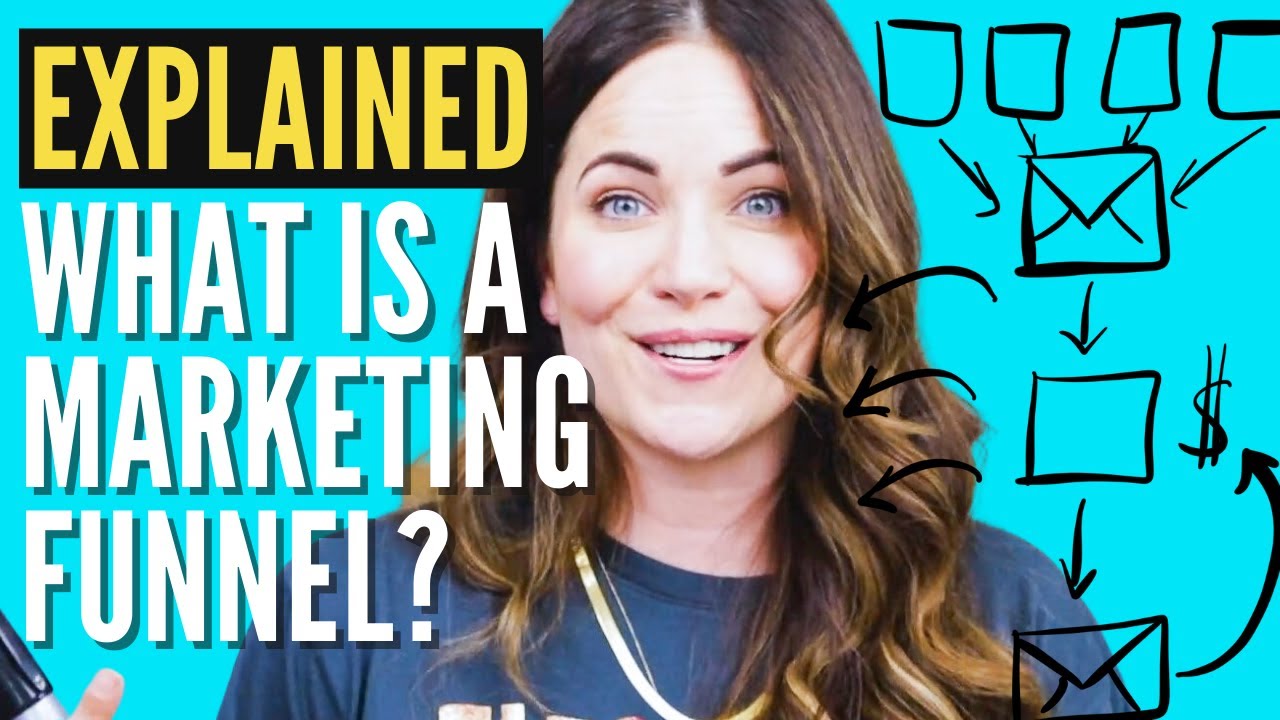
A digital sales funnel is a model that visualizes the path a person takes from first learning about your brand to making a purchase. Each stage of the funnel is designed to move the potential customer closer to a conversion. Unlike a simple website, a funnel is a series of strategic steps, each with a specific goal, that guides the user through their unique customer journey. This structured approach ensures you’re delivering the right message at the right time.
From Chaos to Clarity: The Core Benefits of a Structured Funnel
Implementing a structured funnel brings clarity and efficiency to your marketing efforts. Key benefits include:
- Improved Lead Generation: By offering targeted value at each stage, you attract more qualified leads.
- Enhanced Conversion Rates: A guided path removes friction and makes it easier for users to take the desired action.
- Increased Revenue Growth: A predictable system for converting leads translates directly into more reliable sales.
- Greater Brand Visibility: Consistent, valuable content at the top of the funnel establishes you as an authority in your field.
- Higher Customer Lifetime Value: The funnel doesn’t end at the sale; it extends to fostering loyalty and repeat business.
The Critical Difference: Digital Funnels vs. Traditional Marketing
The traditional marketing funnel was often a one-way broadcast—think TV ads or billboards. A digital sales funnel, however, is interactive and data-driven. It leverages principles of inbound marketing, a strategy focused on attracting customers with valuable content and tailored experiences. This allows for personalization and relationship-building in a way that traditional methods never could, creating a more engaging and effective customer journey.
The Anatomy of a High-Converting Funnel: A 4-Stage Blueprint
To understand how to build a high-converting digital marketing sales funnel, you must first understand its core components. This funnel model is often broken down into four distinct phases, mirroring the AIDA model (Attention, Interest, Desire, Action). Each funnel stage has a specific objective in moving the prospect forward.
Stage 1: Awareness – Capturing Attention with SEO & Content Marketing
The top of the funnel (TOFU) is all about capturing the attention of your target audience. In this awareness stage, people are experiencing a problem and are searching for answers, but may not know your brand exists. Your goal is to be the helpful resource they find.
Effective SEO tactics and a robust content marketing strategy are crucial here. By creating blog posts, videos, infographics, and social media content optimized for keywords your audience is searching for, you increase your brand visibility and drive initial website traffic.
Stage 2: Consideration – Nurturing Leads with Valuable Lead Magnets
Once a visitor lands on your site, the goal shifts to turning them into a lead. This is the consideration stage, or the middle of the funnel (MOFU). Here, prospects are actively researching solutions. You need to build trust and demonstrate your expertise by offering something of value in exchange for their contact information.
This is where a compelling lead magnet comes in—a free resource like an ebook, checklist, webinar, or template. This offer provides a tangible solution to a specific problem, making it an easy “yes” for the user and allowing you to begin the crucial process of lead nurturing.
Stage 3: Conversion – Sealing the Deal with Optimized Landing Pages & CTAs
At the bottom of the funnel (BOFU), the prospect is ready to make a decision. The conversion stage is where you present your core offer and persuade them to buy. Success here hinges on creating a seamless and compelling experience.
An optimized landing page is essential. It should be free of distractions, clearly state the benefits of your product or service, and feature social proof like testimonials. A strong call to action (CTA) tells the user exactly what to do next. This is the pivotal moment for conversion optimization to turn a warm lead into a paying customer.
Stage 4: Loyalty – Turning One-Time Buyers into Brand Advocates
The journey isn’t over after the first purchase. The most profitable businesses focus on the loyalty stage and retention stage. It’s far more cost-effective to retain an existing customer than to acquire a new one. The goal here is to delight your customers and turn them into repeat buyers and brand advocates.
Effective strategies include personalized email marketing follow-ups, loyalty programs, exclusive content for customers, and excellent customer service. When you create a community around your brand, you foster customer advocacy, where your happy customers become your most powerful marketing asset.
Your Action Plan: Building, Optimizing, and Measuring Your Funnel
Now that you understand the stages, it’s time to build, automate, and measure your own high-converting digital marketing sales funnel. This requires the right tools, a clear strategy, and a commitment to data-driven optimization.
Essential Digital Marketing Funnel Tools and Software for Automation
To execute a funnel strategy efficiently, you need a stack of reliable tools. At LIEN MMO, we often recommend a combination of platforms to manage the entire sales pipeline.
- CRM (Customer Relationship Management): Tools like HubSpot or Salesforce help you track every lead and customer interaction.
- Email Marketing & Marketing Automation: Platforms like Mailchimp or ConvertKit are essential for lead nurturing sequences. True marketing automation software allows you to create complex workflows that send personalized messages based on user behavior.
- Landing Page Builders: Services like Leadpages or Instapage make it easy to create and A/B test high-converting landing pages without code.
- Analytics Tools: Google Analytics is fundamental for tracking website traffic, user behavior, and conversion goals.
Real-World Inspiration: Funnel Examples for Small Businesses & Consultants
A digital marketing sales funnel for consultants might start with a LinkedIn article (Awareness), leading to a free case study download (Consideration), followed by an invitation to a strategy call (Conversion), and concluding with an ongoing retainer relationship (Loyalty).
One of the most effective digital marketing sales funnel examples for small business could be an e-commerce store running targeted Facebook ads for a specific product (Awareness), offering a 10% discount code for an email signup (Consideration), leading to a purchase on an optimized product page (Conversion), and followed by emails showcasing related products (Loyalty).
Don’t Guess, Measure: How to Calculate the ROI of Your Sales Funnel
To measure the ROI of your digital marketing sales funnel, you must track key metrics at each stage. This includes:
- Traffic & Impressions (Awareness): How many people see your content?
- Lead Magnet Downloads (Consideration): How many visitors become leads?
- Conversion Rate (Conversion): What percentage of leads make a purchase?
- Customer Lifetime Value & Churn Rate (Loyalty): How much is a customer worth over time, and are you retaining them?
By analyzing these numbers, you can identify bottlenecks in your funnel and make data-backed decisions to optimize for better performance and higher revenue growth.
Building a high-converting digital marketing sales funnel is not just a tactic; it’s a fundamental business strategy. By understanding the four key stages—Awareness, Consideration, Conversion, and Loyalty—you can systematically turn strangers into advocates. This process, powered by the right tools and optimized through consistent measurement, moves your business from simply getting traffic to generating predictable revenue, building a powerful brand, and achieving long-term, sustainable growth.
Ready to build a sales funnel that drives results? Contact our experts at LIEN MMO today for a free strategy consultation and start converting more leads into loyal customers!