Are you struggling to convert website traffic into tangible revenue? Your inbound marketing funnel might be the culprit. A poorly optimized funnel leaks potential customers at every stage, drastically reducing your ROI. This guide provides a step-by-step framework to plug those leaks, transforming your funnel into a powerful conversion machine that attracts ideal buyers, nurtures them effectively, and ultimately drives sustainable growth and brand loyalty.
Understanding the Inbound Marketing Funnel: The Foundation of Sustainable Growth
To truly optimize your marketing efforts, you must first grasp the core concepts of the inbound methodology. It’s a fundamental shift in perspective that prioritizes customer value over aggressive sales tactics, building a foundation for long-term success.
What is an Inbound Marketing Funnel? A Shift from Interruption to Attraction
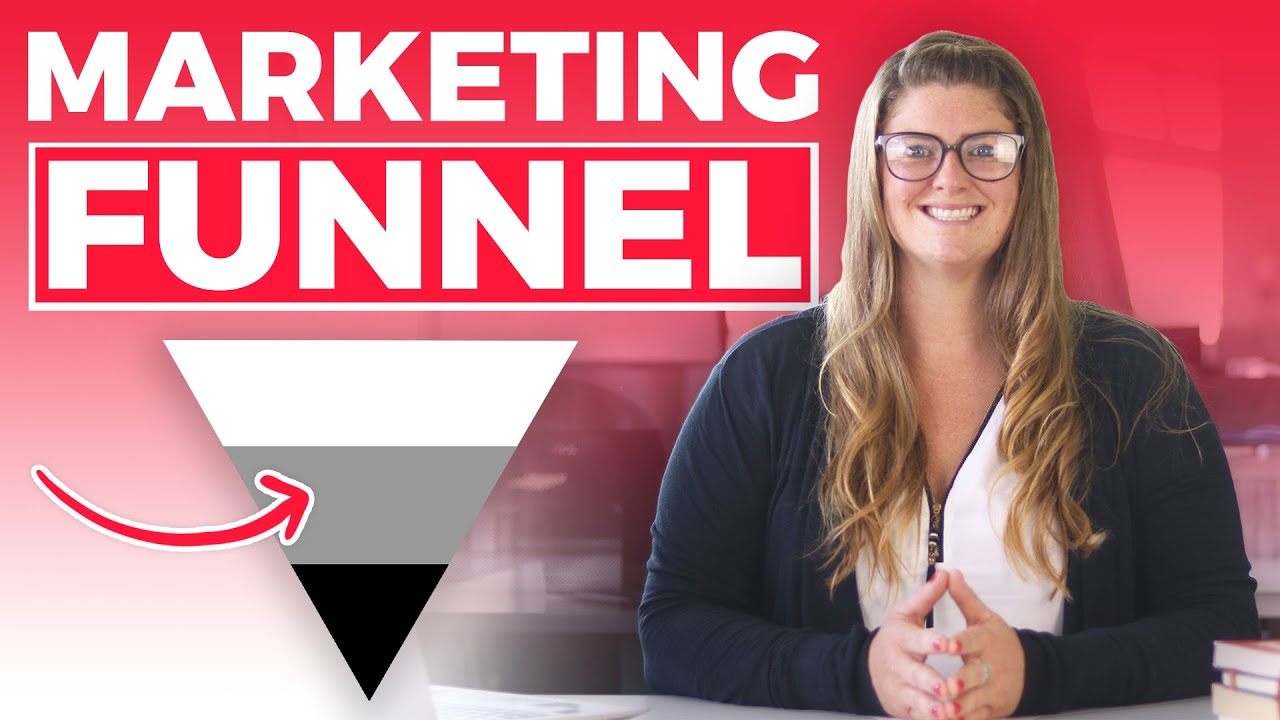
An inbound marketing funnel is a strategic model that represents a potential customer’s journey from their first point of awareness about your brand to becoming a loyal, delighted customer. Unlike traditional outbound marketing, which interrupts audiences with unsolicited messages, the inbound approach focuses on attracting customers by creating valuable content and experiences tailored to them. It’s about being the solution they find when they are actively searching for answers to their problems.
This methodology, championed by industry leaders like HubSpot, is built on trust. By providing relevant and helpful information, you establish your brand as a credible authority, making potential buyers more likely to choose you when they’re ready to make a purchase.
The Four Core Stages: Attract, Convert, Close, and Delight Explained
The classic inbound marketing funnel is broken down into four distinct stages, each with its own goals and strategies. Understanding this progression is crucial for guiding prospects seamlessly through their customer journey.
- Attract (Awareness): At the top of the funnel (TOFU), the goal is to draw in the right people with valuable content that addresses their pain points. This is about creating brand awareness among your target audience or buyer personas, turning strangers into visitors.
- Convert (Consideration): Once visitors arrive on your website, the next step is to convert them into leads by capturing their contact information. This middle-of-the-funnel (MOFU) stage involves offering more in-depth content in exchange for an email address, such as ebooks, webinars, or guides.
- Close (Decision): At the bottom of the funnel (BOFU), you have qualified leads who are evaluating their options. The goal here is to nurture these leads with targeted content that demonstrates why your solution is the best choice, transforming them into customers.
- Delight (Retention): The funnel doesn’t end with a sale. The Delight stage focuses on providing an exceptional customer experience that fosters loyalty. Happy customers can become your most powerful marketers, turning into promoters who drive referrals and fuel your growth.
Why Your Current Funnel is Leaking Money: Common Pitfalls in B2B and B2C Strategies
Many businesses have a funnel in place, but it often has leaks that cause them to lose potential revenue. Common pitfalls include targeting the wrong audience, creating content that doesn’t align with the customer’s stage in the journey, having weak calls-to-action (CTAs), or neglecting lead nurturing. For B2B companies, a long sales cycle can be a major leak, while B2C businesses might struggle with cart abandonment. Identifying these weak points is the first step toward optimization.
A Step-by-Step Guide to Building and Optimizing Your High-Conversion Funnel
Building an effective inbound marketing funnel requires a strategic, stage-by-stage approach. Here’s how to optimize each phase for maximum impact.
Stage 1 (TOFU): Attracting the Right Traffic with a Powerful Content Strategy
The foundation of a successful inbound marketing funnel is attracting visitors who are genuinely interested in what you offer. This begins with a robust content strategy focused on your buyer personas.
Your goal is to create high-quality TOFU content like blog posts, infographics, and social media updates that answer your audience’s initial questions. A strong SEO strategy is non-negotiable here; optimizing for relevant keywords ensures your content appears when people are searching for solutions.
Stage 2 (MOFU): Converting Visitors into Qualified Leads with Irresistible Offers
Once you have traffic, the challenge is to convert anonymous visitors into marketing qualified leads (MQLs). This is where lead magnets and compelling offers come into play. Create valuable MOFU content, such as ebooks, case studies, or webinars, that visitors can access in exchange for their contact details.
Every offer should be presented on a dedicated landing page with a clear and concise form. At LIEN MMO, we’ve seen that minimizing the number of form fields can significantly increase conversion rates. Ensure your CTAs are prominent, persuasive, and clearly communicate the value of the offer.
Stage 3 (BOFU): Closing Deals with Targeted, Decision-Making Content
With a list of qualified leads, it’s time to nurture them toward a purchase decision. The content at this stage should be highly targeted and product-focused. BOFU content includes free trials, demos, customer testimonials, and detailed product comparisons.
This is where lead nurturing through email marketing becomes critical. Create automated email workflows that send relevant content based on a lead’s behavior and interests. The goal is to build trust and demonstrate undeniable value, transforming MQLs into sales qualified leads (SQLs) and, ultimately, new customers.
Stage 4 (Delight): Turning Customers into Promoters to Fuel the Flywheel
Your relationship with the customer is just beginning at the point of sale. The Delight stage is about exceeding expectations and fostering loyalty. This can be achieved through excellent customer service, personalized follow-up emails, and exclusive content for customers.
This is where the funnel evolves into the flywheel model, where delighted customers become the driving force for new business. By turning customers into advocates, you create a self-sustaining cycle of growth, reducing your customer acquisition cost over time.
Measuring What Matters: KPIs and Analytics for Maximum Inbound Marketing ROI
You can’t optimize what you don’t measure. A data-driven approach is essential for refining your inbound marketing funnel and maximizing ROI.
Key Metrics to Track at Each Funnel Stage: From Website Traffic to Customer Acquisition Cost
Each stage of the funnel has specific key performance indicators (KPIs) you should monitor:
- Attract Stage: Website Traffic, Keyword Rankings, Social Media Reach, Bounce Rate.
- Convert Stage: Lead Generation, Landing Page Conversion Rates, CTA Click-Through Rates.
- Close Stage: MQL-to-SQL Conversion Rate, Sales Conversion Rate, Customer Acquisition Cost (CAC).
- Delight Stage: Customer Lifetime Value (CLV), Net Promoter Score (NPS), Repeat Purchase Rate.
Leveraging Analytics and Marketing Automation to Refine Your Strategy
Tools like Google Analytics are indispensable for tracking user behavior on your website. However, to truly scale your efforts, investing in marketing automation platforms is key. These systems help you streamline lead nurturing, segment your audience, and get a holistic view of your funnel’s performance. With experience supporting many clients, we at LIEN MMO recommend platforms that integrate seamlessly with your CRM for a complete picture of the customer journey.
Best Practices for A/B Testing Landing Pages, CTAs, and Email Campaigns
Continuous improvement is the hallmark of a successful digital marketing strategy. A/B testing is a powerful method for optimizing the various elements of your funnel. Systematically test different versions of your landing pages, CTA button colors and text, email subject lines, and content offers. Even small changes can lead to significant improvements in your conversion rates over time.
An optimized inbound marketing funnel is more than a marketing strategy; it’s a sustainable engine for growth. By focusing on attracting the right audience with valuable content, nurturing leads through a personalized customer journey, and delighting them after the sale, you build more than just revenue. You create a trusted brand and a loyal community that will advocate for you, ensuring long-term success and a significant return on your marketing investment.
Ready to transform your inbound strategy? Contact us today for a free consultation and learn how we can help you build a powerful marketing funnel that attracts, engages, and converts your ideal customers.