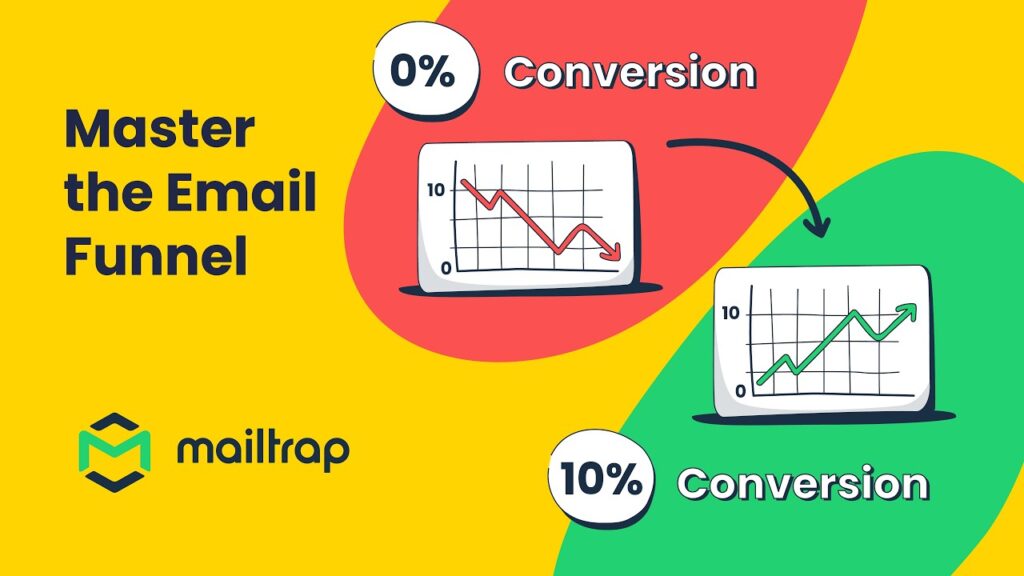
Unlock the power of your email list by transforming subscribers into loyal customers. An email marketing funnel is your strategic roadmap to guide potential clients from initial awareness to conversion and beyond. This guide breaks down the essential stages, strategies, and tools you need to build a high-converting automated system that nurtures leads, boosts your ROI, and builds a sustainable brand, turning every email into a valuable step in the customer journey.
What is an Email Marketing Funnel and Why is it Crucial for Your Business?
Many businesses collect emails, but without a clear plan, that list is just a collection of contacts. An email marketing funnel transforms that list into a dynamic, automated asset. It’s a system designed to systematically build relationships and guide users toward a specific goal.
Defining the Email Marketing Funnel: More Than Just Emails
An email marketing funnel is a designed series of emails that guides a subscriber through their customer journey. Unlike random email campaigns, each step in the funnel is strategic. It starts with initial contact (lead generation) and progresses through a carefully planned email sequence designed to build trust, provide value, and ultimately drive a conversion. This is a core component of any modern digital marketing strategy.
Email Marketing Funnel vs. Sales Funnel: Understanding the Connection
It’s common to confuse the email marketing funnel with the broader sales funnel. Think of the email funnel as a critical, high-performance engine within the larger sales funnel. While the sales funnel maps the entire customer journey from discovery to purchase across all channels, the email funnel specifically focuses on using email to nurture leads and move them between the sales funnel stages.
The Undeniable Benefits: Boosting ROI and Customer Lifetime Value
Implementing a structured email marketing funnel offers significant advantages. It automates the lead nurturing process, ensuring no potential customer is ignored. This consistent engagement builds stronger relationships, leading to higher conversion rates. Ultimately, a well-optimized funnel directly impacts your email marketing ROI and increases customer lifetime value by encouraging repeat business and loyalty.
The 5 Core Stages of a High-Converting Email Marketing Funnel
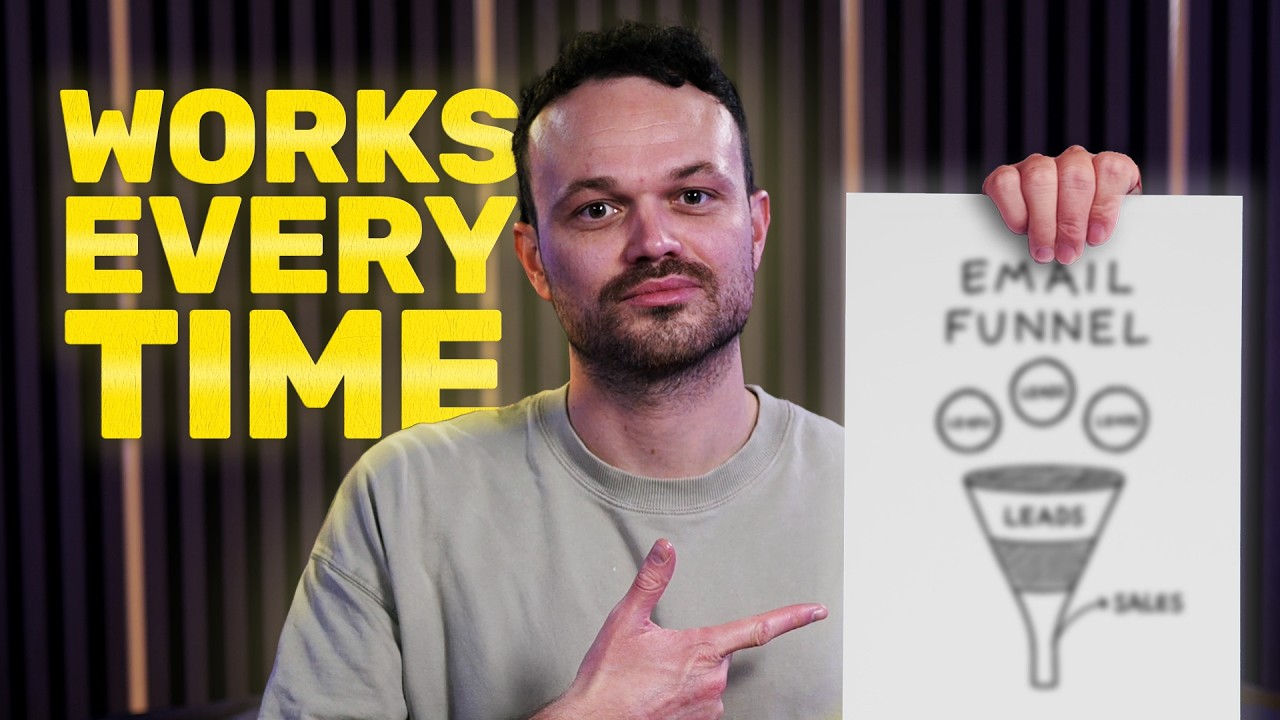
To build an effective funnel, you must understand the psychological journey your audience takes. We can break this down into five core funnel stages.
Stage 1: Awareness – Capturing Attention and Generating Leads
This is the top of the funnel where potential customers first learn about your brand. The goal here is lead generation. You capture their attention with valuable content and entice them to subscribe to your email list using a compelling lead magnet, such as a free ebook, webinar, or discount code, delivered via opt-in forms on your landing pages.
Stage 2: Consideration – Nurturing Interest with Value-Packed Content
Once you have a new subscriber, the nurturing begins. In the consideration stage, you can’t push for a sale immediately. Instead, your goal is to build trust and demonstrate your expertise. This is achieved through a welcome email sequence, case studies, blog posts, and webinars that address their pain points and showcase your solutions. This is a crucial part of lead nurturing.
Stage 3: Conversion – Inspiring Action with Targeted Offers
After you’ve built trust, it’s time to present your offer. The conversion stage is where you ask for the sale. The emails in this stage are direct and persuasive, featuring targeted offers, discounts, testimonials, and strong calls to action (CTA). For e-commerce, this also includes abandoned cart emails, which recover potentially lost sales.
Stage 4: Loyalty – Fostering Retention and Repeat Business
The journey doesn’t end after the first purchase. The loyalty stage focuses on customer retention. The goal is to make customers feel valued and encourage them to buy again. This can be achieved through thank-you emails, requests for customer feedback, exclusive offers for existing customers, and personalized product recommendations.
Stage 5: Advocacy – Turning Customers into Brand Ambassadors
The final stage of the email marketing funnel is advocacy. Here, your satisfied customers become your most powerful marketing asset. Encourage them to leave reviews, share their experiences on social media, and refer friends. A successful advocacy program creates a self-sustaining cycle of new leads, turning customers into a volunteer marketing team.
How to Build Your Email Marketing Funnel from Scratch: A Step-by-Step Guide
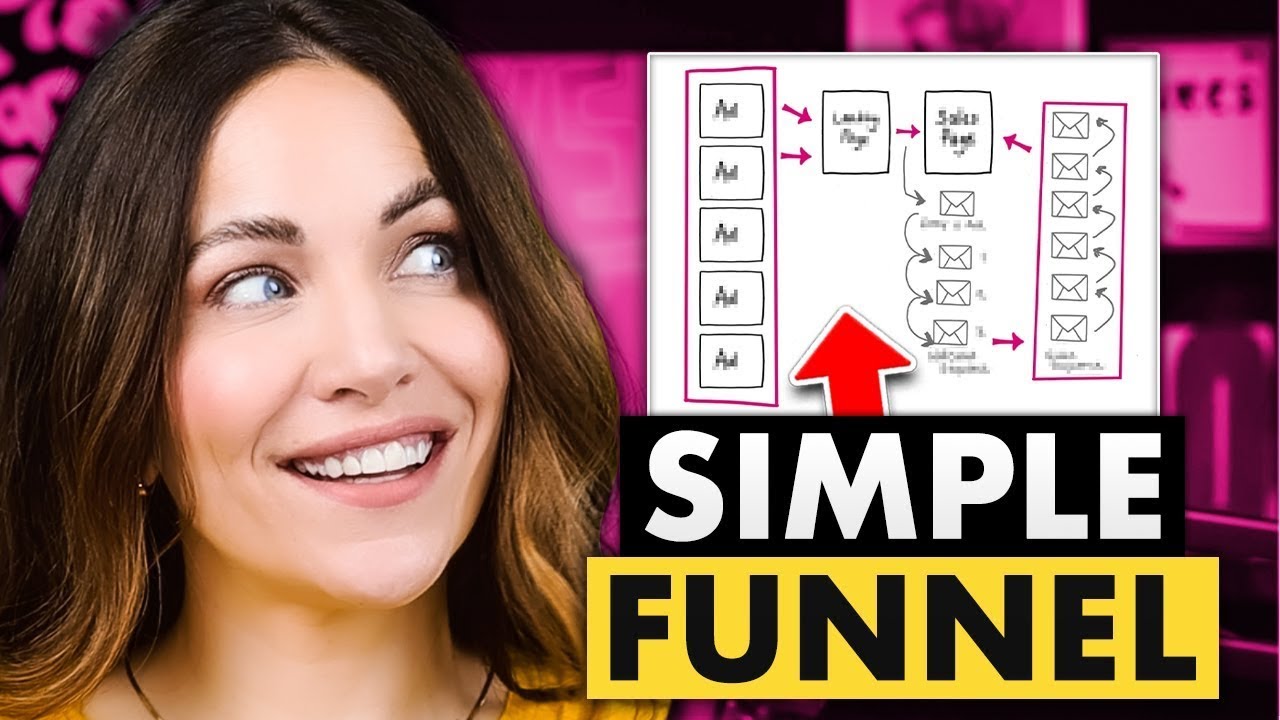
Creating an effective email marketing funnel requires a strategic approach. Follow these steps to build a system that consistently converts.
Step 1: Identify Your Target Audience and Map the Customer Journey
Before you write a single email, you must deeply understand who you’re talking to. Develop detailed buyer personas to represent your ideal customers. Then, perform customer journey mapping to outline every touchpoint a customer has with your brand, from initial awareness to post-purchase engagement.
Step 2: Create a Compelling Lead Magnet to Grow Your List
Your lead magnet is the irresistible offer that convinces people to give you their email address. It must provide genuine value and offer a quick solution to a specific problem your audience faces. Popular lead magnets include checklists, templates, free trials, whitepapers, and exclusive video content.
Step 3: Design an Automated Email Sequence for Each Funnel Stage
This is where marketing automation shines. Create a unique email sequence for each stage of the funnel.
- Awareness: A welcome email series that delivers the lead magnet and introduces your brand.
- Consideration: A sequence of 3-5 value-driven emails that educate and build trust.
- Conversion: A series of emails with clear offers, testimonials, and a sense of urgency.
- Loyalty & Advocacy: Post-purchase follow-ups, requests for reviews, and referral program invites.
Step 4: Implement Advanced Segmentation and Personalization Strategies
Not all subscribers are the same. Use segmentation to divide your audience into smaller groups based on their interests, behavior, and demographics. This allows you to send highly relevant, personalized content. Personalization goes beyond using a first name; it involves tailoring the entire message to the recipient’s needs and position in the customer journey.
Step 5: Set Up Analytics to Track Key Metrics and Performance
You can’t optimize what you don’t measure. Track key email marketing metrics to understand your funnel’s performance. Important metrics include email open rates, click-through rates (CTR), conversion rates, and unsubscribe rates. Use this data to identify weaknesses and opportunities for improvement.
Pro-Level Strategies to Optimize Your Funnel for Maximum Conversions
Building a funnel is just the start. Continuous optimization is key to long-term success. At LIEN MMO, we use these advanced strategies to ensure our clients’ funnels perform at their peak.
Leveraging A/B Testing for Subject Lines, CTAs, and Content
A/B testing is the process of comparing two versions of an email to see which one performs better. Continuously test different elements like your subject lines, call to action (CTA) buttons, email copy, and even sending times. Small changes can lead to significant improvements in engagement and conversions.
Advanced Personalization: Beyond the First Name Field
True personalization uses behavioral data to create a unique experience for each user. Send product recommendations based on past purchases, trigger emails based on website activity, and tailor offers to a user’s specific interests. This level of personalization shows customers you understand their needs.
How to Fix a Leaky Funnel: Identifying and Addressing Drop-off Points
A “leaky” funnel is one where you lose a significant number of subscribers between stages. Use your analytics to pinpoint where users are dropping off. Are open rates low at the consideration stage? Your content may not be engaging enough. Are click-through rates low at the conversion stage? Your offer might not be compelling. Address these issues to improve your funnel’s overall performance.
Real-World Email Marketing Funnel Examples That Convert
Theory is great, but practical examples make it clear. Here’s how the email marketing funnel works across different business models.
The E-commerce Funnel: From Abandoned Carts to Repeat Buyers
An e-commerce funnel excels at turning browsers into buyers. It starts with a pop-up offering a 10% discount for signing up. After a purchase, the customer receives order confirmations, shipping updates, and a request for a review. If a user abandons their cart, an automated email sequence is triggered to entice them back to complete the purchase.
The B2B Funnel: Nurturing Leads for High-Ticket Sales
The B2B marketing funnel is often longer and more focused on education. It might start with a lead magnet like a detailed industry report. The email sequence would then nurture the lead with case studies, webinar invitations, and informative articles. The goal is to build credibility and schedule a demo or consultation, guiding the lead through a complex buying decision.
The Small Business Funnel: Building a Loyal Local Following
For a small business, the email marketing funnel is about building community. A local restaurant might offer a free appetizer for signing up. The email sequence would then share weekly specials, introduce the staff, and invite subscribers to special events. This builds a personal connection that drives repeat visits and word-of-mouth referrals.
The Best Email Marketing Funnel Tools for Automation and Growth
The right technology makes building and managing your funnel significantly easier. Here are the essential tools you’ll need.
Top Email Service Providers (ESPs) with Powerful Automation Features
Your Email Service Provider is the foundation of your funnel. Look for platforms with robust marketing automation features, intuitive email builders, and detailed analytics. Popular choices that excel in automation include ActiveCampaign, ConvertKit, and Mailchimp.
Essential Tools for Lead Generation: Opt-in Forms and Landing Pages
To get subscribers into your funnel, you need effective lead generation tools. Software like OptinMonster or Leadpages allows you to create high-converting pop-ups, embedded forms, and dedicated landing pages without needing to code. These tools are designed to maximize your subscription rate.
Analytics and CRM Platforms to Measure Your Funnel’s Success
To get a complete view of your customer journey, you need to integrate your email platform with analytics and a CRM. Google Analytics helps you track how email traffic behaves on your website. A CRM (Customer Relationship Management) platform like HubSpot or Salesforce provides a central database for all customer interactions, giving you a holistic view of your funnel’s effectiveness.
Building an effective email marketing funnel is a game-changer for any business, providing a structured path to convert leads and foster lasting customer relationships. By understanding the key stages, implementing targeted strategies, and continuously optimizing with the right tools, you can create a powerful, automated marketing machine. This not only drives sales but also builds a loyal community of brand advocates, ensuring sustainable growth and a significant return on your marketing investment.
Ready to build your own high-converting email marketing funnel? Contact us at LIEN MMO today for a free consultation at lienmmo@gmail.com, and let our experts help you craft a strategy that drives results.