
Feeling buried under mountains of unread textbooks? Many students struggle to keep up, leading to stress and lower grades. If you’re looking for how to read a textbook faster, you’re in the right place. This guide reveals powerful, proven textbook reading strategies for students to not only read your textbooks significantly faster but also to absorb and remember the crucial information within. Stop reading word-for-word and start reading smarter to boost your academic performance, reduce study time, and finally feel in control of your coursework.

The “Skim-First” Method: Read Less, Understand More
The biggest mistake students make is diving into a chapter and reading it linearly from start to finish. This passive approach is slow and ineffective for retention. To truly learn how to read textbooks efficiently, you must first understand the landscape. The “Skim-First” method is about creating a mental map before you begin, allowing you to read with purpose and focus only on what’s important.
Why Reading a Chapter Backwards is a Game-Changer
It sounds counterintuitive, but one of the best ways to start is at the end. Before reading a single paragraph, flip to the chapter summary and any end-of-chapter review questions. This simple act primes your brain, telling it exactly what key concepts and learning objectives to look for. You’ll be actively searching for answers rather than passively letting words wash over you, which dramatically improves reading comprehension.
Decoding the Structure: Using Headings, Subheadings, and Visuals as a Map
Textbooks are meticulously organized to guide you. Use this to your advantage. Spend a few minutes surveying the chapter, paying close attention to headings, subheadings, bolded terms, and any charts, graphs, or images. These elements are signposts highlighting the main ideas and most critical information. By understanding the structure, you create a framework in your mind, making it easier to place the details you read later.
The Art of Strategic Skimming: Identifying Core Concepts in Minutes
Strategic skimming isn’t just letting your eyes glaze over the page; it’s a targeted hunt for information. After surveying the structure, skim through the chapter by reading the first and last sentence of each paragraph. Often, these sentences contain the topic sentence and the concluding thought, giving you the essence of the paragraph’s content. This technique helps you quickly identify which sections require a deeper read and which ones you can move through more quickly, a key skill for anyone needing to know how to read history textbooks fast or any dense academic texts.
Active Reading Techniques for Long-Term Memory
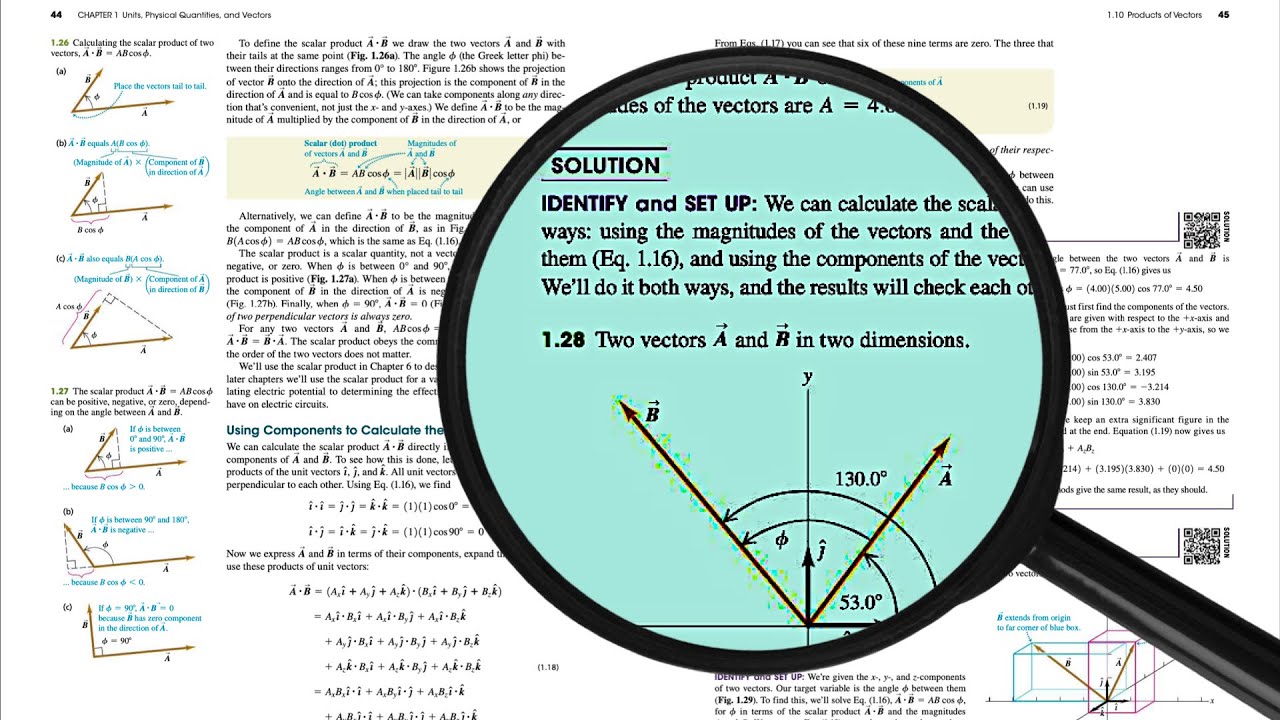
Once you’ve mapped out the chapter, the next step is to engage with the material actively. Passive reading leads to forgetting, while active reading builds strong neural pathways for long-term memory recall. This is central to learning how to read textbooks and retain information.
From Passive Highlighting to Active Note-Taking: How to Paraphrase for Retention
Many students fall into the trap of “highlighting hypnosis,” coloring entire pages without truly processing the information. A much more effective method is active note-taking. After reading a section, close the book and summarize the key points in your own words. This act of paraphrasing forces your brain to process and understand the concept, rather than just recognizing it. Research consistently shows that this form of retrieval practice significantly boosts retention. For more guidance, there are excellent resources available on how to take notes from the textbook.
The SQ3R Method: Survey, Question, Read, Recite, Review
The SQ3R method is a classic and highly effective reading comprehension technique that has helped students for decades. It turns passive reading into an active, structured process:
- Survey: This is the initial skimming you’ve already done—reviewing headings, summaries, and visuals.
- Question: Turn headings and subheadings into questions. For example, a heading like “The Causes of the Industrial Revolution” becomes “What were the main causes of the Industrial Revolution?” This gives your reading a clear purpose.
- Read: Actively read the section to find the answers to your questions.
- Recite: After reading a section, look away from the book and try to recite the answers to your questions in your own words. This step is crucial for moving information from short-term to long-term memory.
- Review: Once you’ve finished the chapter, review your notes and the main points to solidify your understanding.
At LIEN MMO, we have found that students who master the SQ3R reading method see a significant improvement in both their reading pace and academic performance.
Using a Pointer or Finger to Increase Reading Pace and Focus
A remarkably simple yet powerful trick to speed up reading textbooks is to use your finger or a pen as a pointer. By guiding your eyes along the text, you create a steady rhythm and prevent them from jumping back to re-read sentences—a common habit known as regression that slows you down. This technique, often called the “Pointer Method,” forces you to maintain a consistent reading pace and improves focus.
Building the Right Environment and Mindset for Efficient Studying
Your ability to read a textbook faster and remember more isn’t just about technique; it’s also about your environment and mindset. Creating the right conditions for deep work is essential for improving understanding and minimizing study-related stress.
Time Chunking: The Power of Focused 25-Minute Reading Sprints
Instead of attempting marathon study sessions that lead to burnout, break your reading time into focused intervals. The Pomodoro Technique is a great example of this “chunking” method. Set a timer for 25 minutes and give the textbook your undivided attention. When the timer goes off, take a 5-minute break. These short, focused sprints maintain high concentration levels and make daunting chapters feel more manageable.
How to Eliminate Digital and Physical Distractions for Deep Work
In today’s world, distractions are the enemy of focus. To create an environment for deep work, you must be ruthless in eliminating them. Put your phone on silent and in another room. Close unnecessary tabs on your computer. Find a quiet study space and let others know not to disturb you. Minimizing distractions allows your brain to fully engage with the complex material in your college textbook.
Developing Your Vocabulary to Naturally Increase Reading Speed
A significant barrier to reading speed is encountering unfamiliar words. Constantly stopping to look up definitions breaks your flow and hinders comprehension. Make a conscious effort to build your vocabulary. Keep a list of new terms you encounter in your readings. Use flashcard apps or read widely outside of your coursework. As your vocabulary grows, you’ll find your reading pace and comprehension increase naturally.
A Practical Action Plan to Master Your Textbooks
Knowing the strategies is one thing; implementing them is another. Here’s a simple plan to help you start using these techniques today to master your reading and improve your academic performance.
Your First 15-Minute Textbook Attack Plan
Have a chapter you need to read right now? Try this:
- (3 minutes) Survey: Read the chapter summary, introduction, and conclusion. Scan all headings, subheadings, and visuals.
- (2 minutes) Question: Turn the main headings into questions in a notebook.
- (10 minutes) Read & Recite: Read the first few sections of the chapter with the specific goal of answering your questions. As you find an answer, jot it down in your own words. You’ll be amazed at how much you can grasp in just 15 focused minutes.
Creating a Weekly Reading Schedule That Prevents Cramming
Avoid the stress of last-minute cramming by planning ahead. At the start of each week, look at your syllabus and break down your reading assignments into manageable daily chunks. Schedule these reading sessions into your calendar just like you would a class. A consistent schedule builds a powerful study habit and ensures you stay on top of the material without feeling overwhelmed.
How and When to Practice Speed Reading Techniques for Continuous Improvement
Learning how to read a textbook faster is a skill that improves with practice. Don’t expect to double your speed overnight. Start by applying these methods to one class. As you become more comfortable with skimming, active note-taking, and using a pointer, gradually incorporate them into your other subjects. With our experience at LIEN MMO, we recommend students dedicate short, regular practice sessions to hone these skills. Consistent application of speed reading techniques is the key to making them second nature.
Transforming your approach to reading textbooks is the key to academic success. By ditching outdated methods and embracing strategic skimming, active engagement, and a focused study environment, you can conquer your reading list efficiently. These techniques will not only help you read faster but will fundamentally improve your comprehension and memory recall, leading to better grades and significantly less study-related stress.
Ready to revolutionize your study habits? Download our free “Textbook Mastery Checklist” and start implementing these strategies today!