An executive summary is your document’s powerhouse, distilling complex plans into a concise, compelling overview that drives immediate action. It’s the first—and sometimes only—chance to capture the attention of decision-makers. This guide provides a step-by-step method for learning how to make an executive summary that is persuasive and not only informs but also convinces stakeholders, ensuring your key recommendations get the green light. Master this skill to transform lengthy reports into catalysts for decisive action.
What is an Executive Summary and Why is it Your Most Critical Page?
Before diving into the mechanics, it’s crucial to understand the strategic role of an executive summary. It’s not just a formality; it’s a powerful tool for communication and persuasion designed for a high-level audience.
Defining the Executive Summary: More Than Just a Brief Overview
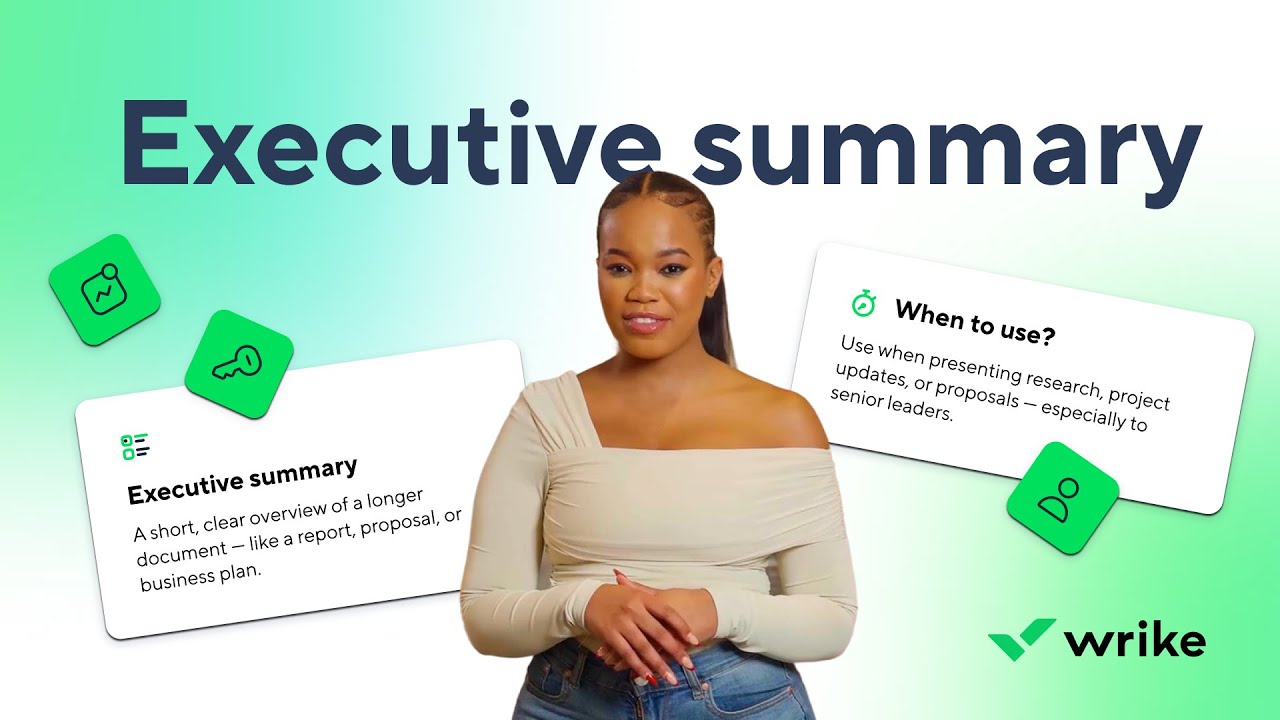
So, what is an executive summary? It is a standalone section of a larger document, such as a business plan, project proposal, or formal report. Its primary function is to provide a condensed version of the full document’s content, highlighting the most critical information and key takeaways. It allows stakeholders like executives, board members, and investors to grasp the core message without reading the entire report.
Unlike a simple summary, it synthesizes the information, focusing on the conclusions and recommendations. It provides context, outlines the main points, and presents the essential insights needed for the C-suite to make an informed decision quickly.
The Core Purpose: Driving Decisions, Not Just Summarizing Information
The true purpose of an executive summary is to facilitate decision-making. It should be persuasive, engaging, and structured to lead the reader to a specific conclusion or action. It answers the implicit questions of busy executives: “What is this about?”, “Why is it important?”, and “What do you want me to do?”.
By presenting the problem, the proposed solution, and the expected outcomes upfront, you respect the reader’s time and empower them with the information they need. A well-crafted summary ensures your message is heard and acted upon.
Where an Executive Summary Goes in a Report vs. When It’s Written
Typically, the executive summary is placed at the very beginning of a document, immediately after the table of contents. Its prime location ensures it’s the first thing a reader sees, setting the stage for the detailed information that follows.
However, despite being the first section to be read, it should always be the last section you write. You can only effectively summarize a document after its contents—including all findings, conclusions, and recommendations—have been fully developed and finalized.
The Winning Formula: Key Components of a Powerful Executive Summary
A compelling executive summary follows a logical structure that tells a complete story. Including these key components will ensure your summary is comprehensive and impactful.
The Problem/Opportunity: Start with the “Why”
Begin by clearly stating the problem, need, or opportunity your document addresses. This is your hook; it should grab the reader’s attention and establish the relevance of your proposal. Use clear language to explain the pain point or the potential for growth. This section sets the context and underscores the urgency for a solution.
The Proposed Solution: Present Your Core Recommendation Clearly
After defining the problem, present your proposed solution. This is the core of your summary. Describe your product, service, project, or strategy concisely. Avoid jargon and focus on how your solution directly addresses the problem you just outlined. This is where you deliver the essential insights and the main points of your plan.
Market Analysis & Competitive Advantage: Justify Your Approach
Briefly explain the market landscape and why your solution is poised for success. Highlight your competitive advantage. What makes your approach unique or more effective than others? This section provides the necessary justification and builds confidence in your proposal by showing it’s grounded in solid market understanding.
Financial Implications: The Bottom Line for Decision-Makers
Decision-makers need to understand the financial impact. Include key financial projections, costs, and potential return on investment. This doesn’t need to be an exhaustive financial statement, but it should provide a clear, high-level overview of the bottom line. This critical information is often what sways the final decision.
The Conclusion & Call to Action: What’s Next?
Conclude with a powerful summary of your key message and a clear call to action. Reiterate the main recommendation and explicitly state what you need from the reader. Whether it’s funding approval, project authorization, or strategic buy-in, make the next steps obvious and easy to follow.
How to Write an Executive Summary in 5 Actionable Steps
Knowing the components is one thing; assembling them effectively is another. Here are five actionable steps to write an executive summary that gets results.
Step 1: Begin with the End in Mind – Understand Your Audience and Objective
Before writing a single word, define your objective. What decision do you want to drive? Who is your audience? Tailor the tone, language, and content to resonate with your readers, whether they are investors, board members, or internal stakeholders. Understanding their priorities is key to crafting a persuasive narrative.
Step 2: Write the Full Document First, Then Synthesize the Key Takeaways
As mentioned, always write the executive summary last. Once your business plan, report, or proposal is complete, go through it and pull out the most critical information: the problem, solution, key findings, and recommendations. This ensures your summary is an accurate and consistent reflection of the main document.
Step 3: Structure with the Inverted Pyramid – Lead with the Most Critical Information
Adopt the inverted pyramid structure used by journalists. Start with the most important information—your main conclusion or recommendation. Follow this with the key supporting points and background details. This method respects the reader’s limited time, delivering the core message immediately.
Step 4: Refine with Persuasive Language – Engage, Inform, and Convince
Your summary should be more than just a dry recitation of facts. Use strong, persuasive language to convey confidence and urgency. Focus on the benefits and outcomes of your proposal. The goal is to not only inform but also to convince the reader of the value of your recommendations.
Step 5: Edit for Brevity and Clarity – How Long Should an Executive Summary Be?
Brevity is paramount. A common question is, how long should an executive summary be? The general rule is that it should be about 5-10% of the length of the main document. For most reports and business plans, this translates to one to two pages. Edit ruthlessly to eliminate fluff, jargon, and redundant information, ensuring every word serves a purpose.
Tailoring Your Executive Summary for Maximum Impact: Examples & Templates
The content of an executive summary varies depending on the document it’s attached to. Here are a few common executive summary examples to guide you.
Executive Summary Example for a Business Plan
An executive summary for a business plan should be a snapshot of the entire plan. It typically includes the company’s mission, a description of the product or service, a brief market analysis, key financial highlights, and the funding request. It must be compelling enough to make an investor want to read the full business plan template.
Executive Summary Example for a Project Proposal
When writing an executive summary for a project proposal, focus on the project’s objectives, scope, timeline, and required resources. Clearly articulate the problem the project will solve and the expected benefits or ROI. This is a critical component in the field of project management. At LIEN MMO, we have found that a well-defined project summary is often the deciding factor in getting a project greenlit.
Executive Summary Example for a Formal Report
For a formal report, the executive summary should highlight the report’s key findings, conclusions, and recommendations. It should provide enough context for a reader to understand the purpose of the research and the significance of the results without delving into the detailed methodology or data analysis.
A Versatile Executive Summary Template to Get You Started
While every summary should be tailored, a solid executive summary template can provide a helpful structure.
- Introduction (1 paragraph): State the purpose of the document and your main recommendation.
- Problem/Opportunity (1 paragraph): Briefly describe the issue or opportunity.
- Proposed Solution (1-2 paragraphs): Explain your solution and its competitive advantage.
- Financials (1 paragraph): Summarize the key financial implications.
- Conclusion & Call to Action (1 paragraph): Reiterate the recommendation and state the next steps.
Common Pitfalls to Avoid for a Flawless Executive Summary
Even seasoned professionals can make mistakes. Here are common pitfalls to watch out for when you are learning how to make an executive summary.
Mistake 1: Being Too Long or Overly Detailed
The most common mistake is making the summary too long. Remember, its purpose is to be concise. Avoid getting bogged down in minor details or technical specifics. Stick to the high-level key takeaways that are essential for decision-making.
Mistake 2: Using Jargon and Unclear Language
Your audience is busy and may not be familiar with all the technical jargon of your field. Use clear, simple, and direct language. Clarity is crucial for ensuring your message is understood quickly and correctly. Avoid acronyms and buzzwords that could confuse the reader.
Mistake 3: Forgetting the Persuasive Call to Action
An executive summary should not be passive. It must guide the reader toward a specific action. Failing to include a clear, compelling call to action is a missed opportunity. Make it obvious what you need from your readers to move forward.
Executive Summary vs. Abstract: Understanding the Key Differences
People often confuse an executive summary vs abstract, but they serve different purposes. An abstract is a purely descriptive summary of an academic, research, or technical paper. Its goal is to inform the reader about the paper’s contents. An executive summary, however, is persuasive and includes recommendations. It is designed to drive business decisions.
Crafting a compelling executive summary is a strategic skill that elevates your work from merely informational to truly influential. By focusing on your audience, leading with critical insights, and structuring a persuasive narrative, you create a powerful tool that respects the reader’s time and drives them toward the desired action. This approach not only ensures your message is heard but also significantly increases the likelihood of achieving your objectives.
Ready to turn your insights into action? Download our free Executive Summary Template and start crafting summaries that get results today!