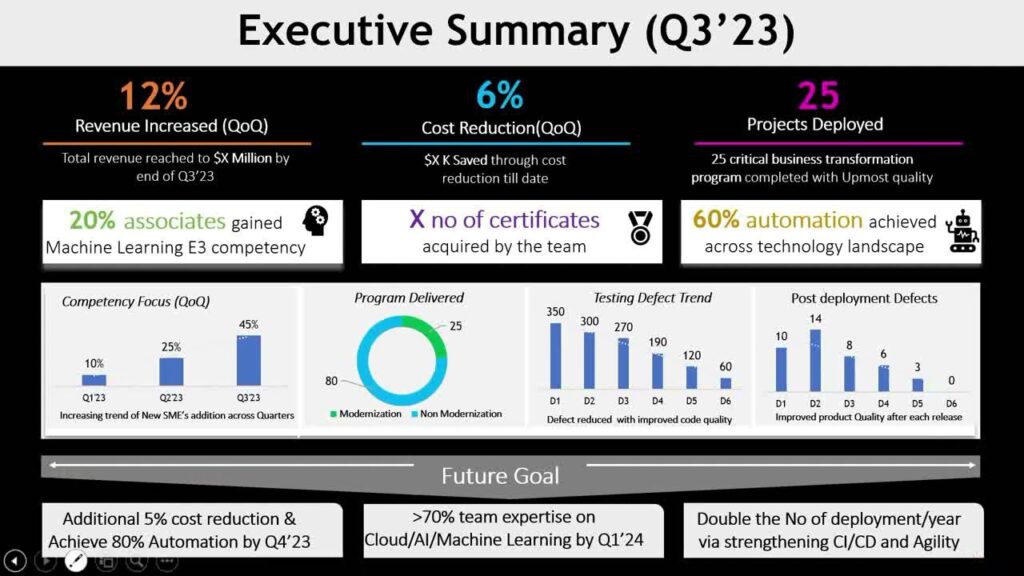
In today’s fast-paced business world, you have seconds to capture the attention of stakeholders, investors, and managers. A poorly structured executive summary format can doom your entire proposal before it’s even read. This guide provides best practices, step-by-step instructions, and powerful templates to ensure your key findings and recommendations don’t just get seen—they get approved. Master the format that transforms busy professionals from skeptics into supporters and drives decisive action.
The Strategic Importance of a Flawless Executive Summary Format
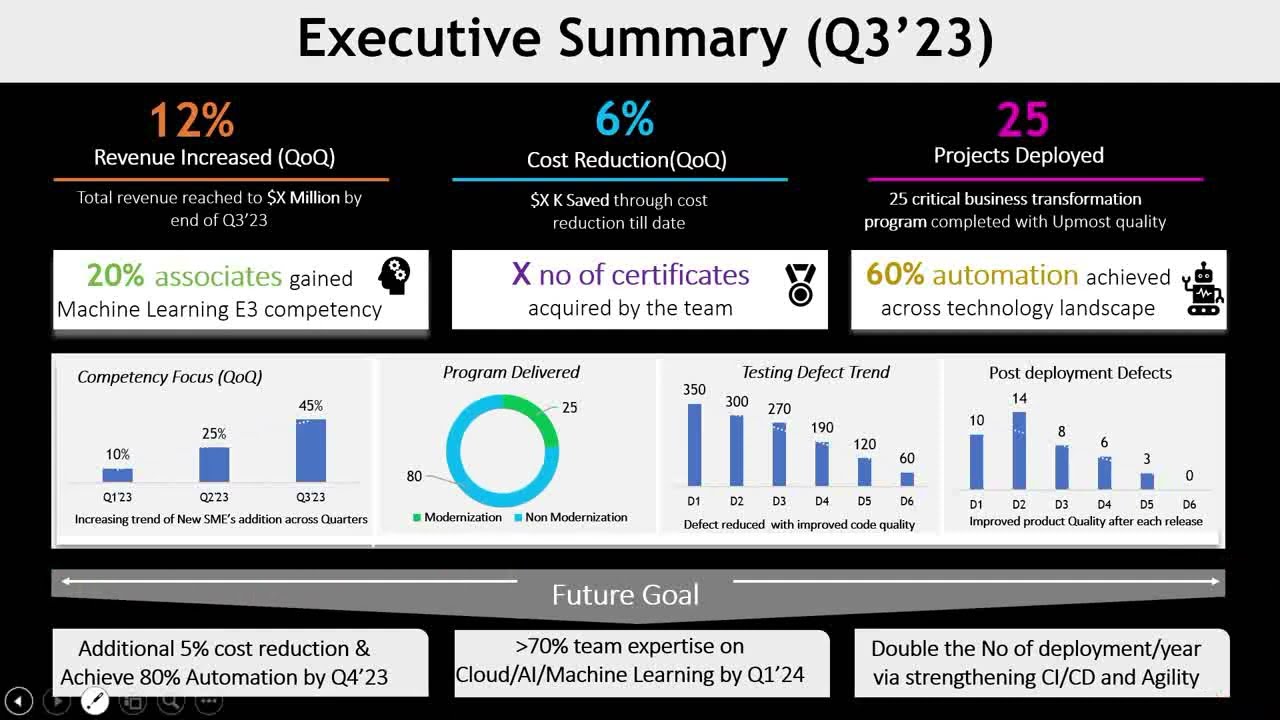
An effective executive summary is far more than a simple introduction; it is a strategic tool designed to convey the most critical information of a larger document concisely. For busy decision-makers, it’s often the only part they read. Therefore, its structure and content can make the difference between a project that gets approved and one that is overlooked. A well-crafted summary respects the reader’s time and demonstrates a clear, organized thought process.
What is an Executive Summary? More Than Just a Preamble
An executive summary is a condensed overview of a longer document, such as a business plan, project proposal, or formal report. Its primary purpose is to provide readers with a high-level understanding of the document’s contents, enabling them to grasp the main points quickly. Unlike an abstract, which is a brief synopsis, an executive summary is a standalone document that communicates the essence of the entire report.
The Purpose of an Executive Summary: Your Elevator Pitch on Paper
The core executive summary purpose is to enable stakeholders, investors, and decision-makers to quickly understand the key issues, findings, and proposed actions without reading the entire document. It serves as an “elevator pitch” on paper, designed to be persuasive and engaging. A powerful summary grabs the reader’s attention, communicates the value proposition, and encourages them to approve a recommendation or delve deeper into the full report.
Executive Summary vs. Abstract: Key Differences Professionals Must Know
While both are summaries, they serve different functions and audiences. Understanding these distinctions is crucial for effective professional communication.
| Feature | Executive Summary | Abstract |
|---|---|---|
| Purpose | To inform decision-making and persuade | To provide a neutral overview of content |
| Audience | Executives, investors, decision-makers | Researchers, academics, technical readers |
| Content | Includes problem, solution, and recommendations | Focuses on purpose, methods, and findings |
| Tone | Persuasive and direct | Informative and descriptive |
| Stand-alone Value | Can be read independently for decision-making | Requires the full document for context |
The Blueprint for Impact: What to Include in an Executive Summary
A comprehensive yet concise executive summary format must contain several key components. Each section should be crafted to build a compelling narrative that leads the reader logically from the problem to your proposed solution and its anticipated impact. These are the universal elements you should include.
The Problem Statement: Clearly Define the ‘Why’
Begin by clearly articulating the problem or opportunity your document addresses. This section sets the stage and establishes the relevance of your proposal. Be specific about the pain points or challenges faced by the organization or its target audience. A well-defined problem statement immediately engages the reader and provides the necessary context for your solution.
The Solution and Value Proposition: Present Your Core Recommendation
After defining the problem, present your proposed solution. This is the heart of your executive summary. Clearly describe what you recommend and articulate its unique value proposition. Explain how your solution directly addresses the problem you’ve outlined. The goal is to make your recommendation appear logical, effective, and compelling.
Market Analysis and Key Findings: Support Your Claims with Data
To build credibility, your claims must be backed by evidence. This section should summarize the most critical data, insights, and market analysis from your main report. Highlight key findings that support your problem statement and validate your proposed solution. Use concise data points or statistics to add weight to your arguments without overwhelming the reader.
Financial Projections and Implementation Plan: Outline the ‘How’
Finally, provide a high-level overview of the financial implications and the plan for implementation. This includes a summary of costs, projected return on investment (ROI), and key milestones. Outlining the “how” demonstrates that your proposal is not just a good idea but also a feasible and well-considered plan. This is a critical component for securing funding or project approval.
How to Write an Executive Summary: A Step-by-Step Guide for Busy Professionals

Knowing how to write an executive summary is a skill that enhances your professional impact. At LIEN MMO, we recommend a structured approach to ensure clarity, brevity, and persuasion.
Step 1: Finalize Your Main Document Before You Begin
The most common mistake is writing the executive summary first. To create an accurate and powerful summary, you must write it last. Only after the entire business plan, report, or proposal is complete can you effectively identify and distill its most essential points. This ensures your summary aligns perfectly with the full document’s content and conclusions.
Step 2: Identify and Synthesize the Most Critical Information
Review your completed document and highlight the most critical information from each section. Look for the core problem, the key data points, the main components of your solution, and your strongest recommendations. Your task is not just to copy sentences but to synthesize these key findings into a coherent and compelling narrative.
Step 3: Draft Each Section with a Focus on Brevity and Impact
Draft each component of your executive summary, focusing on clear and direct language. Use strong action verbs and avoid jargon. Each paragraph should be short and to the point, ideally under 80 words. The goal is to convey the maximum amount of information in the fewest possible words, making every sentence count.
Step 4: Edit Ruthlessly for Clarity, Persuasion, and a Professional Tone
Once your draft is complete, the editing process begins. Review it multiple times, cutting any redundant words, clarifying ambiguous statements, and strengthening your persuasive language. It’s often helpful to have a colleague read it to ensure it is clear and makes sense as a standalone document. A polished, error-free summary reflects professionalism and attention to detail.
Winning Executive Summary Examples and Templates for Any Scenario
To help you get started, here are structured templates for common business documents. You can find a downloadable executive summary template for business plan and other resources online to further guide your writing.
Executive Summary Template for a Business Plan
- Introduction: State the purpose of the business plan (e.g., to secure funding, outline a new venture).
- Company & Opportunity: Briefly describe your company, its mission, and the market opportunity you are targeting.
- Products/Services & Value Proposition: Detail what you offer and what makes it unique.
- Market Analysis: Summarize your target market and competitive landscape.
- Management Team: Highlight the key members of your team and their expertise.
- Financial Summary: Provide key financial projections (e.g., revenue, profit, funding required).
- Conclusion: Reiterate the key request and the potential for success.
Executive Summary Format for a Project Proposal (RFP)
- Project Overview: A concise statement of the project’s goal and scope.
- Problem Statement: The specific problem the project will solve for the client.
- Proposed Solution: A high-level description of your approach and methodology.
- Key Deliverables & Timeline: List the main outcomes and a projected timeline for completion.
- Budget Summary: An overview of the total project cost.
- Why Us: A brief statement on your organization’s qualifications and unique strengths.
Executive Summary Example for a Formal Report
- Purpose of the Report: Explain why the report was commissioned.
- Scope & Methodology: Briefly describe the scope of the investigation and the methods used.
- Key Findings: Present the most significant findings and conclusions from the analysis in bullet points.
- Recommendations: List the primary, actionable recommendations based on the findings.
- Conclusion: A final statement summarizing the report’s overall message and implications.
Expert Writing Tips and Common Pitfalls to Avoid
Crafting the perfect executive summary requires attention to detail. With our experience at LIEN MMO helping professionals communicate more effectively, we’ve identified several best practices and common mistakes.
How Long Should an Executive Summary Be? A Definitive Answer
There is a strong consensus on the ideal length of an executive summary. For most reports and proposals, it should be between 5% and 10% of the total document’s length. In practical terms, this usually translates to one to two pages. The key is to provide all essential information without unnecessary detail, ensuring it can be read and understood in minutes.
Adopting the Right Tone: Writing for Investors, Managers, and Stakeholders
The tone of your executive summary should be professional, confident, and persuasive. Tailor your language to your target audience. For investors, focus on the financial opportunity and ROI. For internal managers, emphasize strategic alignment and operational benefits. For all stakeholders, maintain a tone of clarity and authority that builds trust in your recommendations.
Common Mistakes That Weaken Your Message and How to Fix Them
- Too Long or Too Detailed: The summary becomes a miniature version of the report. Fix: Focus only on the absolute highest-level takeaways and edit ruthlessly.
- Vague Language: Using jargon or clichés that obscure the message. Fix: Use specific, clear, and direct language. Quantify results whenever possible.
- Introducing New Information: Including points not covered in the main document. Fix: Ensure every piece of information in the summary is present in the full report.
- Poor Structure: A lack of logical flow from problem to solution. Fix: Follow a proven executive summary structure like the one outlined in this guide.
Ultimately, a compelling executive summary is not a mere formality but a powerful strategic tool. By mastering its format and focusing on a concise, persuasive narrative that addresses the problem, solution, and value, you equip decision-makers with the critical information they need. This approach respects their time, builds confidence in your proposal, and significantly increases your chances of success, turning your detailed work into tangible results and securing crucial buy-in.
Ready to create an executive summary that commands attention? Download our free, all-in-one Executive Summary Template Pack for Word and PowerPoint to get started instantly.