
In today’s fast-paced business environment, the ability to write a compelling executive report is no longer a soft skill but a critical driver of success. Effective executive report writing does more than just present data; it transforms complex information into actionable insights, persuades C-suite executives, and secures buy-in for your most important initiatives. Mastering this skill is the key to influencing strategic decisions and accelerating your professional impact within any organization.

Why a Powerful Executive Report is Your Ultimate Decision-Making Tool
An executive report is a strategic communication asset. When crafted correctly, it bridges the gap between raw data and informed, high-stakes decisions. It provides clarity amidst information overload, enabling leaders to act with confidence and precision.
What Exactly is an Executive Report? (And What It’s Not)
An executive report is a high-level document that summarizes essential business information for senior leadership. Its primary purpose is to provide a quick yet comprehensive overview of a specific area, such as a project’s status, financial performance, or market analysis, to facilitate swift and strategic decision-making.
It is not a granular, exhaustive data dump. Unlike operational reports that delve into day-to-day metrics, an executive report zooms out to focus on the bigger picture. It avoids jargon and unnecessary detail, instead highlighting key findings, strategic implications, and clear recommendations. Think of it as an “elevator pitch” in document form.
The Strategic Benefits: How Effective Reports Drive Growth and Mitigate Risk
Well-executed executive reports are fundamental to organizational health and agility. They offer numerous strategic advantages:
- Drives Strategic Decisions: By curating and presenting the most relevant data, these reports empower leaders to make faster, more informed choices that align with organizational goals.
- Enhances Alignment and Communication: Clear reports ensure that everyone from the board members to senior managers is on the same page, fostering a culture of transparency and accountability.
- Identifies Opportunities and Threats: A well-structured report can illuminate emerging market trends, competitive shifts, or internal challenges, allowing leadership to capitalize on opportunities and mitigate risks proactively.
- Secures Buy-in and Resources: A persuasive report is a powerful tool for justifying resource allocation, gaining stakeholder support for new initiatives, and building momentum for change.
Understanding Your Audience: Speaking the Language of the C-Suite
To create an impactful report, you must understand your audience. C-suite executives and board members are perpetually short on time and focused on high-level outcomes. They care about growth, profitability, market position, and risk management.
When communicating with this audience, it’s crucial to:
- Lead with the Bottom Line: Start with the most critical information. Don’t bury your conclusions.
- Align with Business Goals: Frame your findings and recommendations in the context of the company’s strategic objectives.
- Be Clear and Concise: Avoid technical jargon and verbose language. Use direct, unambiguous statements.
- Focus on “Why,” Not Just “What”: Executives need to understand the strategic implications of the data, not just the data itself.
The Anatomy of a High-Impact Executive Report: A Step-by-Step Guide
Creating a report that commands attention requires a structured approach. At LIEN MMO, we guide our partners in using proven frameworks to ensure their communications are clear, compelling, and geared for impact.
Step 1: Start with the “Why” – Defining a Crystal-Clear Purpose
Before writing a single word, define the report’s primary objective. What decision do you want to influence? What action do you want to inspire? A clear purpose acts as a compass, guiding every choice you make regarding content, structure, and tone. A focused problem statement ensures your report is relevant and addresses a specific business need.
Step 2: The Inverted Pyramid – Structuring for Executive Attention
Given that executives are time-poor, the inverted pyramid structure is the most effective way to present information. This journalistic approach involves front-loading your report with the most critical information first.
Start with your key findings and recommendations in the executive summary. Subsequent sections should provide progressively more detailed supporting information. This ensures that even if a stakeholder only reads the first page, they will grasp the essential message.
Step 3: Crafting a Compelling Narrative with Data Storytelling
Data on its own is just noise. To make it meaningful, you must weave it into a compelling narrative. Data storytelling is the practice of combining data, visuals, and a narrative to communicate insights in a powerful and memorable way.
A good data story sets the context, presents the core findings (the conflict or challenge), and concludes with a resolution in the form of actionable recommendations. This approach transforms a dry report into an engaging and persuasive tool that drives action.
Step 4: Writing the Perfect Executive Summary – The Heart of Your Report
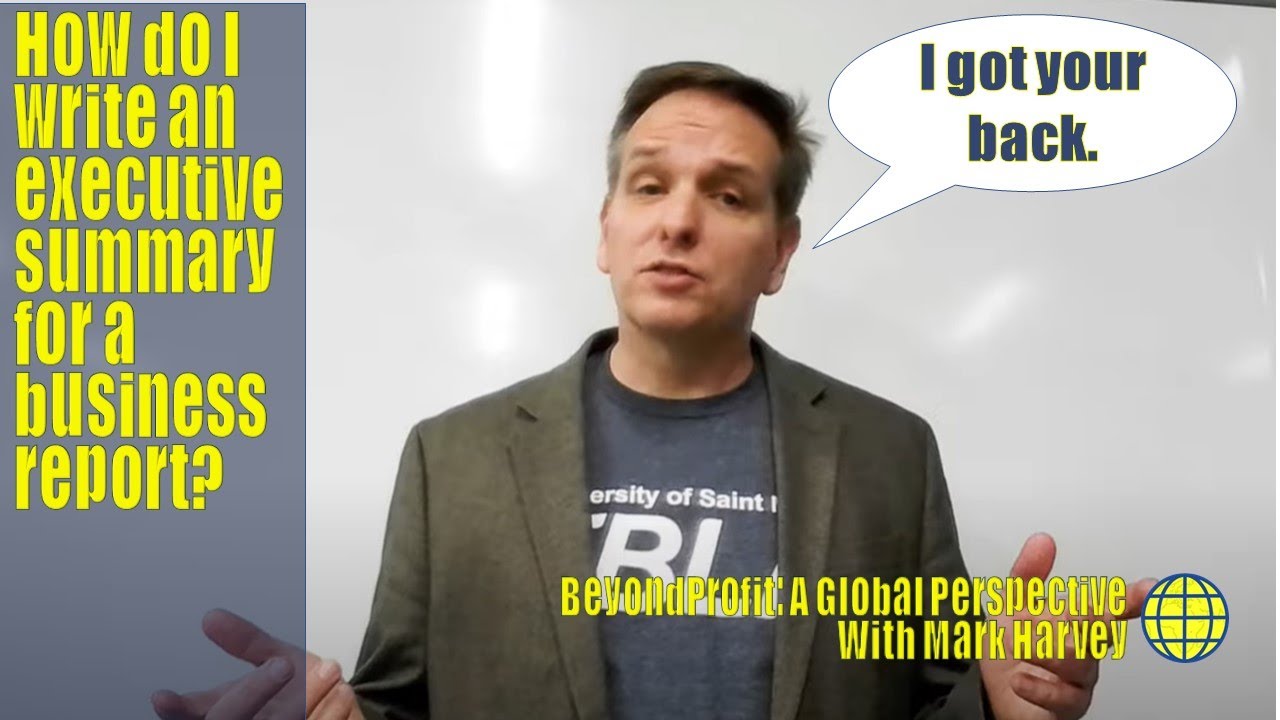
The executive summary is arguably the most critical component of your report. It is a standalone overview that encapsulates the entire document. Many executives will only read this section, so it must be powerful enough to convey your full message independently.
An effective executive summary format includes:
- The Problem/Opportunity: A brief statement of the issue or opportunity being addressed.
- Key Findings: A summary of the most significant insights from your analysis.
- Recommendations: Clear, actionable steps that you propose based on the findings.
- Projected Impact: The expected outcomes or benefits of implementing the recommendations.
Best Practices for Writing Reports That Get Read and Acted On
Following a few core principles can dramatically increase the impact of your executive report writing. These best practices ensure your document is not just read, but understood and acted upon.
Essential Components to Include: From KPIs to Actionable Recommendations.
Every high-impact report should contain several key elements. Start by selecting the right Key Performance Indicators (KPIs) that directly reflect your organizational goals. Present your key findings clearly, followed by a thorough analysis of their strategic implications. Most importantly, your report must culminate in specific, actionable recommendations. A report without a clear call to action is merely an update, not a decision-making tool.
The Power of Visuals: Using Charts and Graphs to Enhance Clarity.
Data visualization is a critical tool for making complex information digestible. Well-designed charts and graphs can convey trends and comparisons far more effectively than text alone. When using visuals, it’s important to choose the right chart for the data and keep the design simple and clean. The goal of a visual is to clarify, not to clutter. For more on this, consider exploring a detailed business report guide.
Writing with Clarity and Conciseness: Tips for Jargon-Free Communication.
Clarity and conciseness are paramount in effective executive communication. Use simple, direct language and avoid industry jargon wherever possible. Keep sentences and paragraphs short to improve readability. We recommend that each paragraph be under 80 words. Before finalizing, read your report aloud to catch awkward phrasing and ensure a logical flow.
Common Pitfalls to Avoid: Mistakes That Dilute Your Report’s Impact
Even well-researched reports can fail if they fall into common traps. Some of the biggest mistakes to avoid include:
- Information Overload: Including too much data obscures the key message. Be selective and focus only on what’s essential for decision-making.
- Lack of a Clear “So What?”: Failing to explain the strategic implications of your findings leaves the reader asking, “Why does this matter?”
- Vague Recommendations: Suggestions like “improve efficiency” are useless. Provide concrete, measurable, and actionable steps.
- Grammatical Errors and Typos: Simple mistakes can undermine your credibility and suggest a lack of attention to detail.
Ultimately, an executive report is a reflection of your strategic thinking and communication prowess. By focusing on clarity, structuring your narrative logically, and providing data-driven recommendations, you can create documents that not only inform but also persuade. This guide provides the foundational elements to help you transform your reports from simple updates into powerful tools that command attention, drive decisive action, and solidify your role as a trusted advisor.
Ready to elevate your reports and drive real change? Download our free Executive Report Template to start crafting documents that deliver results.