Are you struggling to convert website traffic into tangible sales? An effective marketing sales funnel is the ultimate solution to guide prospects seamlessly from initial awareness to loyal customers. This article provides a step-by-step guide to building a high-converting funnel, helping you boost lead generation, maximize your return on investment (ROI), and create a sustainable stream of revenue by addressing your audience’s specific needs and pain points.
Why a Marketing Sales Funnel is Non-Negotiable for Business Growth
In today’s competitive digital landscape, simply driving traffic to your website isn’t enough. You need a structured process to capture, nurture, and convert that traffic. A well-defined marketing sales funnel provides this roadmap, ensuring no potential customer slips through the cracks. It allows you to understand your customer’s journey, deliver the right message at the right time, and build a predictable system for revenue generation.
What is a Marketing Sales Funnel? A Simple Definition
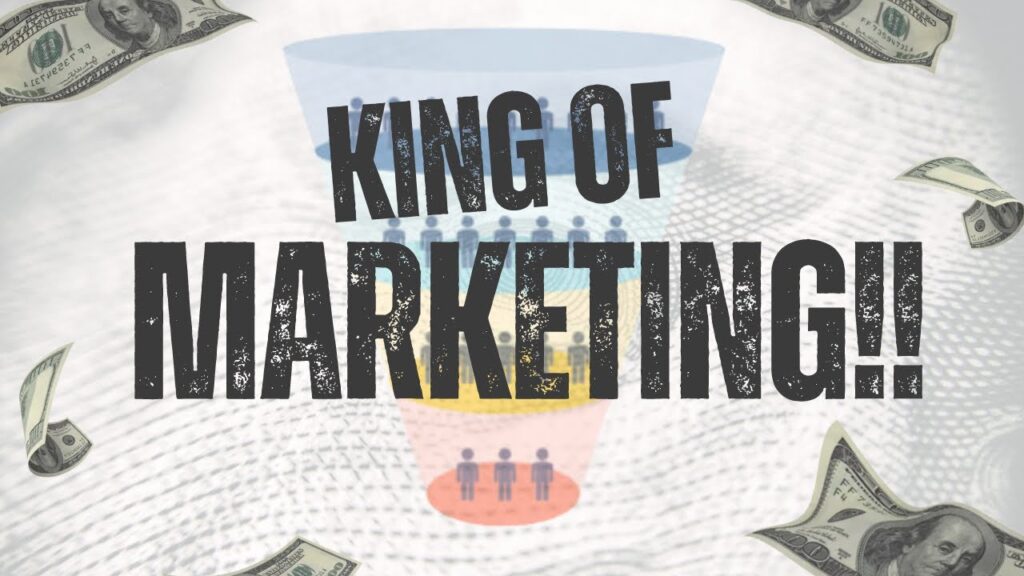
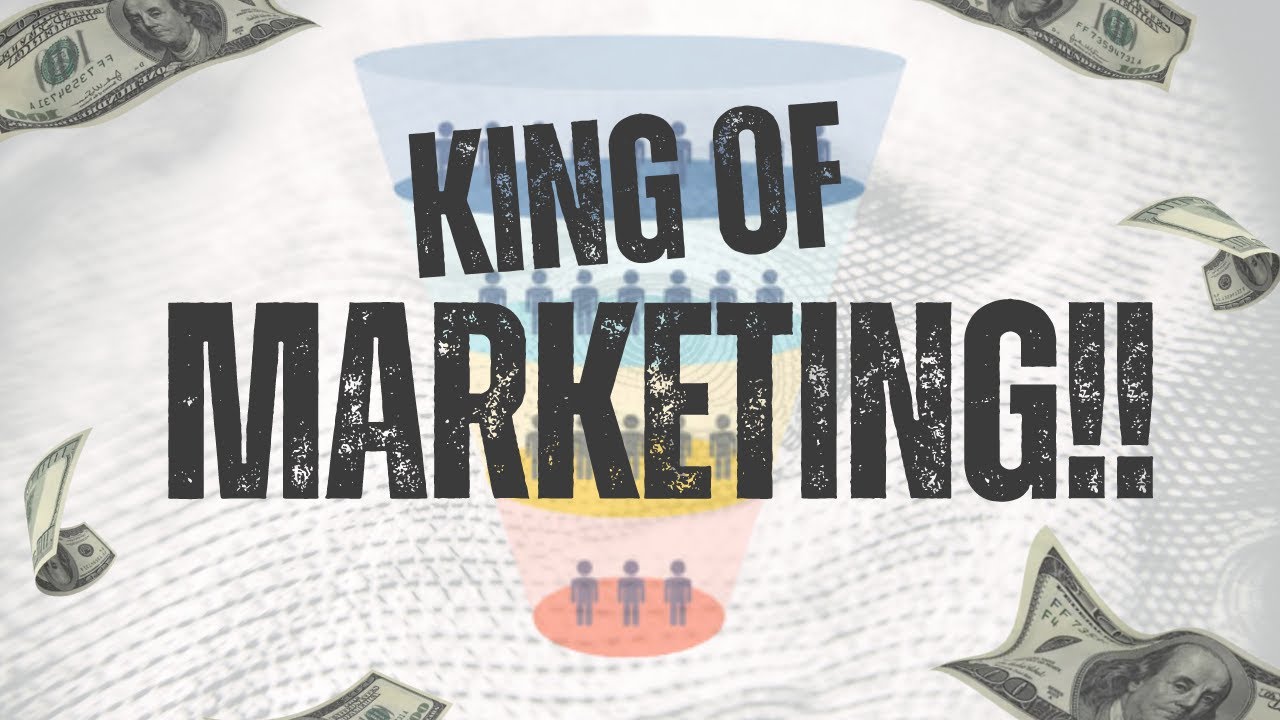
A marketing sales funnel is a visual representation of the customer journey, from the moment they first become aware of your brand to the point of purchase and beyond. It’s called a “funnel” because you start with a large number of prospects at the top, and as they move through the different stages, that number narrows down to the most qualified leads who ultimately become customers. The primary goal is to guide potential customers through a series of steps and content designed to build trust and drive a conversion.
The Core Benefits: Increased ROI, Better Lead Quality, and Sustainable Growth
Implementing an effective sales funnel strategy offers numerous advantages. It forces you to think from the customer’s perspective, which leads to more targeted and efficient marketing campaigns. The key benefits of a marketing funnel include improved lead quality by filtering out unqualified prospects, increased conversion rates by providing relevant information at each stage, and a higher overall ROI on your marketing spend. This systematic approach creates a foundation for predictable and sustainable business growth.
Marketing Funnel vs. Sales Funnel: Understanding the Critical Difference
While often used interchangeably, there is a key difference between a marketing funnel and a sales funnel. The marketing funnel’s primary goal is to generate leads and build brand awareness, casting a wide net to attract a large audience. It focuses on content and campaigns that move a prospect from awareness to interest.
Conversely, the sales funnel is more focused and begins where the marketing funnel leaves off. It deals with qualified leads (prospects who have shown genuine interest) and aims to convert them into paying customers through more direct interaction, such as demos, consultations, and negotiations. Although distinct, they must work in harmony for a seamless customer acquisition process.
The Anatomy of a High-Converting Funnel: Key Stages Explained
Understanding the distinct marketing funnel stages is crucial for building an effective strategy. Each stage represents a different mindset of your potential customer and requires a unique approach to content and communication.
Top of the Funnel (TOFU): Capturing Attention and Building Awareness
The Top of the Funnel (TOFU), or the awareness stage, is your first point of contact with potential customers. Here, your audience has identified a problem or a need and is searching for information. The goal at this stage is not to sell but to educate and attract them with valuable content. This includes blog posts, social media updates, infographics, and videos that address their initial pain points and establish your brand as a helpful resource.
Middle of the Funnel (MOFU): Nurturing Interest and Consideration
Once a prospect enters the Middle of the Funnel (MOFU), they have moved into the interest stage and consideration stage. They are now aware of your brand and are actively evaluating different solutions to their problem. Your goal here is to nurture these leads and build trust by providing more in-depth content. This is where lead magnets like ebooks, whitepapers, case studies, and webinars are highly effective. You aim to capture their contact information and turn anonymous visitors into qualified leads (MQLs).
Bottom of the Funnel (BOFU): Driving Decision and Action
At the Bottom of the Funnel (BOFU), prospects are in the decision or action stage. They are highly qualified and close to making a purchase. The content and offers at this stage should be highly targeted and persuasive, designed to overcome any final objections and encourage a conversion. This includes free trials, live demos, consultations, detailed product comparisons, and customer testimonials. The objective is to convert these Marketing Qualified Leads (MQLs) into Sales Qualified Leads (SQLs) and, ultimately, customers.
Beyond the Sale: The Importance of Loyalty and Customer Retention
A common mistake is thinking the funnel ends once a sale is made. The most successful businesses focus on the post-purchase experience to foster a loyalty stage. This involves delighting your new customers with excellent onboarding, responsive customer support, and exclusive content. Happy customers are more likely to make repeat purchases and become brand advocates, providing valuable word-of-mouth marketing and improving long-term customer retention.
How to Build Your Marketing Sales Funnel in 5 Actionable Steps

Creating a high-performing digital marketing funnel requires a strategic and methodical approach. At LIEN MMO, we guide our clients through a proven framework to develop a funnel that aligns with their business goals.
Step 1: Define Your Buyer Persona and Understand Their Pain Points
The foundation of any effective marketing sales funnel is a deep understanding of your target audience. You must create a detailed buyer persona, which is a semi-fictional representation of your ideal customer. This includes their demographics, goals, challenges, and motivations. By clearly identifying their pain points, you can tailor your messaging and content to resonate with their specific needs at every stage of their journey.
Step 2: Create Compelling Content for Each Funnel Stage (TOFU, MOFU, BOFU)
Content is the fuel that powers your funnel. You need to map specific content assets to each stage to guide prospects effectively.
- TOFU: Focus on educational blog posts, social media content, and introductory videos.
- MOFU: Offer in-depth guides, webinars, case studies, and checklists in exchange for contact information.
- BOFU: Provide product demos, free trials, customer testimonials, and detailed comparisons to drive the final purchase decision.
Step 3: Drive Traffic to Your Funnel with Targeted Marketing Campaigns
Once your funnel and content are in place, you need to drive traffic to the top. Utilize a mix of marketing channels to reach your buyer persona where they are most active. This can include search engine optimization (SEO) to capture organic traffic, paid advertising on platforms like Google and Facebook, and social media marketing to build community and engagement. The key is to target your campaigns precisely to attract relevant prospects.
Step 4: Design High-Converting Landing Pages and Calls-to-Action (CTAs)
Your landing pages are critical conversion points within your funnel. Each landing page should have a single, clear objective, whether it’s downloading an ebook or signing up for a demo. It must feature a compelling headline, persuasive copy, and a prominent call to action (CTA) that tells the user exactly what to do next. A/B testing your landing pages is essential to optimize their performance over time.
Step 5: Implement Email Marketing to Nurture Leads and Drive Conversions
Email marketing is the engine of your lead nurturing process. Once you capture a lead at the MOFU stage, use automated email sequences to deliver valuable content, build a relationship, and gently guide them toward a purchase decision. Personalize your emails based on the lead’s behavior and interests to increase engagement and conversion rates.
Real-World Success: Marketing Funnel Examples to Inspire You
Theoretical knowledge is great, but seeing a funnel in action provides clarity. Here are two common marketing funnel examples.
The B2B Funnel: A Case Study in Lead Generation and Sales Productivity
Consider a SaaS company targeting other businesses. Their B2B marketing funnel might start with a blog post (TOFU) explaining a common industry problem. The CTA on the blog leads to a detailed whitepaper (MOFU) that requires an email signup. Once a lead signs up, they enter an email nurture sequence that offers a case study and then invites them to a live demo (BOFU). This structured process ensures the sales team engages with well-informed, high-intent leads, dramatically improving sales productivity. Many B2B marketing funnel examples showcase how targeted content at each stage, from awareness to decision, effectively nurtures leads.
The B2C E-commerce Funnel: From Social Media Ad to Loyal Customer
A B2C sales funnel for an online clothing store could begin with a targeted Instagram ad (TOFU) showcasing a new collection. A user who clicks the ad is taken to a product category page (MOFU). If they add an item to their cart but don’t check out, an automated abandoned cart email (BOFU) is sent with a small discount to encourage purchase completion. After the sale, they receive emails with styling tips and exclusive offers to foster loyalty.
Optimizing Your Funnel: How to Measure Success and Maximize ROI
Building your funnel is just the beginning. Continuous optimization based on data is crucial for maximizing your return on investment.
Key Metrics to Track: Conversion Rates, MQLs, SQLs, and Customer Acquisition Cost
To understand your funnel’s health, you must track key metrics. Monitor the conversion rates between each stage to identify bottlenecks. Keep an eye on the volume and quality of Marketing Qualified Leads (MQLs) and Sales Qualified Leads (SQLs). Finally, calculate your Customer Acquisition Cost (CAC) to ensure your marketing efforts are profitable.
A/B Testing Your Landing Pages, Ads, and CTAs for Better Performance
Never assume your first attempt is the best. Continuously use A/B testing to experiment with different headlines, copy, images, and CTAs on your landing pages and ads. Even small changes can lead to significant improvements in conversion rates over time. This data-driven approach is a cornerstone of an effective sales funnel strategy.
Using CRM and Analytics to Gain Data-Driven Insights and Refine Your Strategy
Tools like a Customer Relationship Management (CRM) system and website analytics are indispensable. They provide a centralized view of your leads and customers as they move through the funnel. Analyzing this data helps you understand customer behavior, identify patterns, and make informed decisions to refine your strategy. For instance, a Salesforce sales funnel can be customized to track every stage of the customer journey, from lead generation to the final sale, providing invaluable insights for optimization.
Building an effective marketing sales funnel is not just a strategy; it’s a foundational roadmap for sustainable business growth. By understanding your customer’s journey and delivering the right message at the right time, you can systematically convert prospects into profits. This approach not only boosts immediate sales but also cultivates brand loyalty and long-term customer relationships, ensuring your marketing efforts yield a significant and lasting ROI.
Ready to stop guessing and start converting? Contact our experts at LIEN MMO today for a free consultation on building a custom marketing sales funnel that drives results for your business!