Are you struggling to convert website traffic into tangible sales? Mastering funnels marketing is the strategic framework that guides potential customers from initial awareness to loyal advocates. This concept is crucial for any business aiming to optimize its customer journey, generate qualified leads, and significantly boost its return on investment in a competitive digital landscape. This article will provide a comprehensive guide to building, optimizing, and measuring the success of your marketing funnels.
What is a Marketing Funnel and Why is it Essential for Your Business?
Understanding the core concepts of a marketing funnel is the first step toward leveraging its power. It’s more than just a buzzword; it’s a foundational element of a successful digital marketing strategy that visualizes the path customers take from discovery to purchase.
Demystifying the Marketing Funnel: A Clear Definition
A marketing funnel is a visual representation of the customer journey, from the first point of contact with your brand to the ultimate goal: a conversion. This model, often based on the AIDA framework (Awareness, Interest, Desire, Action), helps businesses understand and map out the stages a potential customer goes through. By analyzing the funnel, you can identify what your company needs to do to influence consumers at each specific stage.
The Core Benefits: Beyond Sales to Sustainable Growth and Brand Loyalty
The primary benefit of a well-structured marketing funnel is its measurability. It shows you precisely where you might be losing customers, allowing you to pivot your strategy effectively. For instance, if leads drop off at the awareness stage, your brand visibility campaigns may need rethinking. This data-driven approach fosters sustainable growth, improves customer retention, and builds strong brand awareness and loyalty long after the initial sale.
Sales Funnel vs. Marketing Funnel: Understanding the Key Differences
Though often used interchangeably, “sales funnel” and “marketing funnel” have distinct roles. The marketing funnel focuses on generating leads and creating brand awareness—casting a wide net to attract a broad audience. Its goal is to educate and nurture prospects. The sales funnel, on the other hand, is more narrowly focused on converting those nurtured leads into paying customers. Essentially, the marketing funnel feeds qualified leads to the sales funnel.
The Anatomy of a High-Converting Funnel: Exploring the Stages
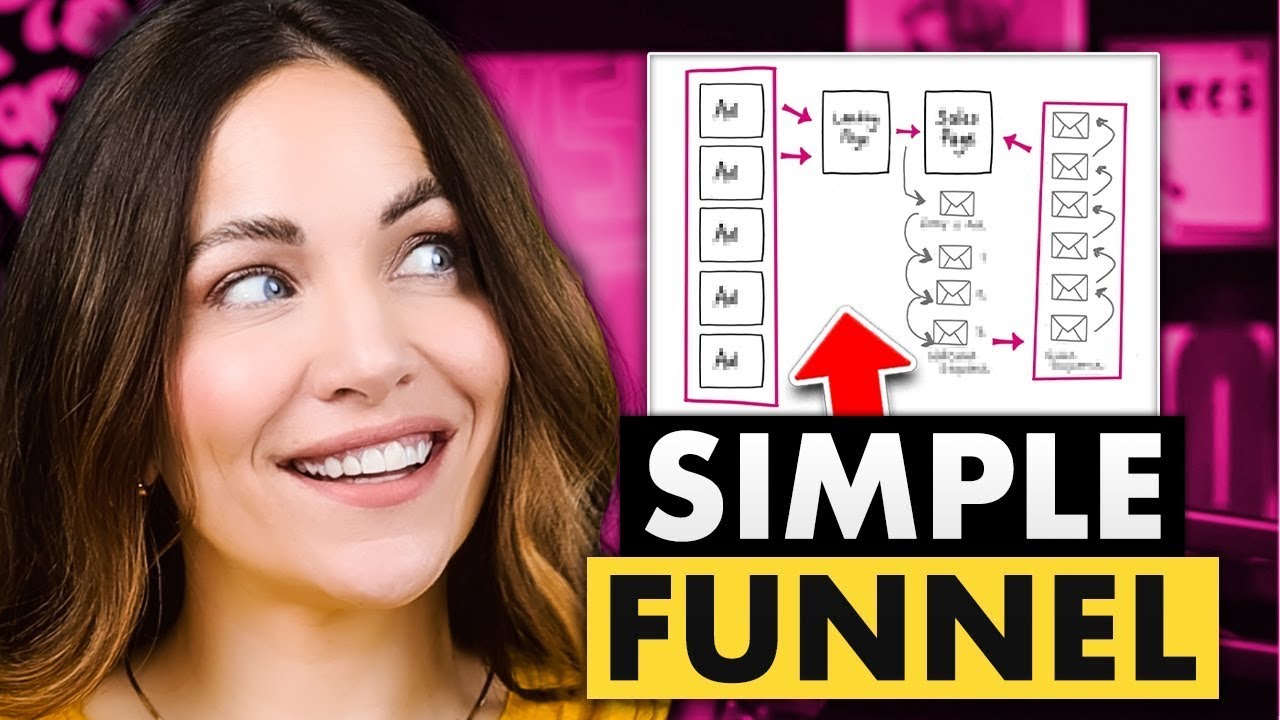
A successful digital marketing strategy depends on understanding and catering to the distinct phases of the customer journey. These phases are commonly broken down into Top of the Funnel (TOFU), Middle of the Funnel (MOFU), and Bottom of the Funnel (BOFU).
TOFU (Top of Funnel): Creating Awareness and Attracting a Wide Audience
The TOFU stage is all about awareness. Here, the goal is to attract a large audience and introduce them to your brand. Potential customers at this stage are experiencing a problem and are searching for information, not necessarily a product. Effective TOFU marketing tactics include blog posts, social media content, infographics, and SEO strategies that educate and inform without a hard sell.
MOFU (Middle of Funnel): Fostering Consideration and Nurturing Leads
Once prospects enter the MOFU, they are aware of their problem and are actively considering potential solutions. This is the lead nurturing stage. Your goal is to build a relationship and position your brand as the best choice. Content like in-depth case studies, whitepapers, webinars, and email marketing campaigns work well here to build trust and demonstrate expertise.
BOFU (Bottom of Funnel): Driving Conversions and Closing Sales
At the BOFU stage, prospects are ready to make a purchase decision. The focus shifts from education to conversion. Marketing efforts here should be highly targeted and action-oriented. Effective BOFU tactics include product demos, free trials, customer testimonials, and compelling calls to action (CTAs) that make it easy for the customer to buy.
Beyond the Sale: The Importance of Loyalty and Advocacy Stages
The funnel doesn’t end with a purchase. The final stages, loyalty and advocacy, are critical for long-term growth. This phase focuses on customer retention and turning satisfied customers into brand ambassadors. Strategies include loyalty programs, post-purchase follow-up emails, and encouraging user-generated content. A loyal customer base provides a steady stream of revenue and powerful social proof.
How to Build a Powerful Marketing Funnel from Scratch: A Step-by-Step Guide
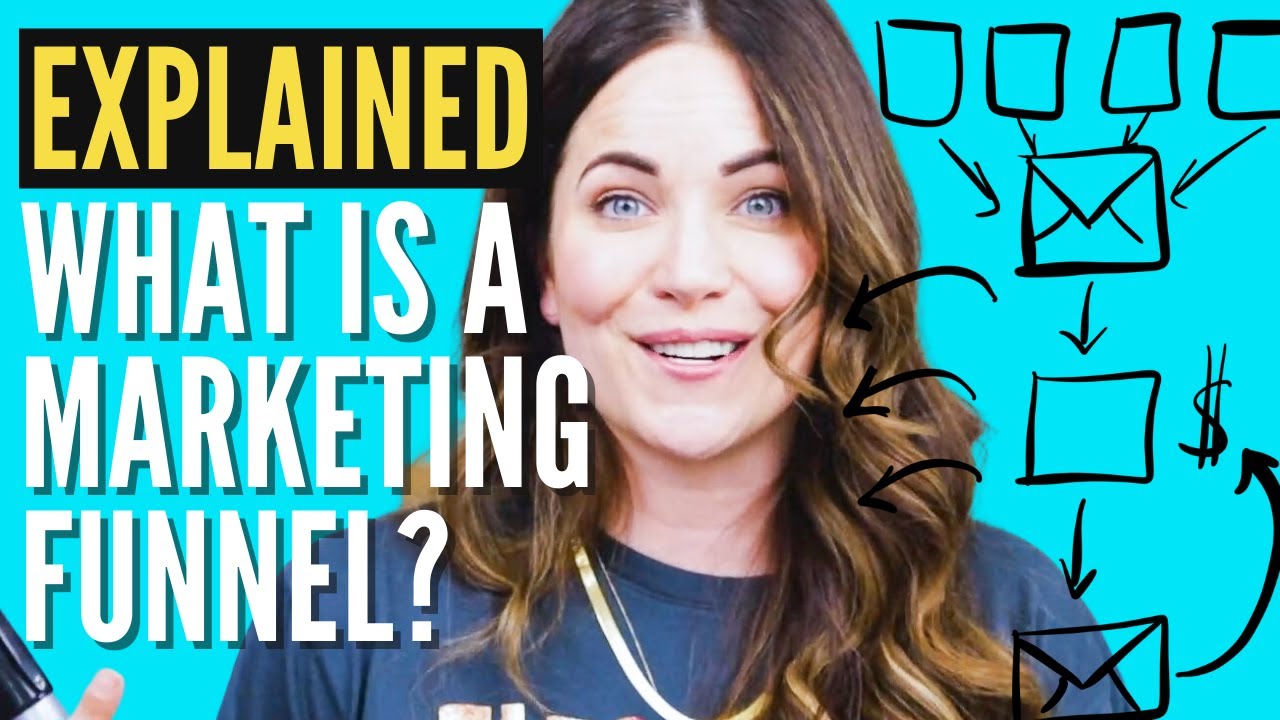
Creating an effective marketing funnel requires a strategic, step-by-step approach. It begins with a deep understanding of your audience and culminates in an automated system that nurtures leads toward conversion.
Step 1: Define Your Buyer Personas and Map the Customer Journey
The foundation of any successful marketing funnel is a deep understanding of your target audience. This starts with creating detailed buyer personas—fictional, data-driven representations of your ideal customers. Once you know who you’re targeting, you can proceed with customer journey mapping, which visually outlines every touchpoint a customer has with your brand from awareness to post-purchase.
Step 2: Set Clear KPIs and Define Your Conversion Goals
You can’t optimize what you don’t measure. Before launching your funnel, define what success looks like by setting clear Key Performance Indicators (KPIs) for each stage. For the awareness stage, this might be website traffic or social media reach. For the consideration stage, it could be lead generation or email sign-ups. At the bottom, you’ll track conversion rates and customer acquisition cost.
Step 3: Create Compelling Lead Magnets and Content for Each Stage
Content is the fuel for your marketing funnel. You must create valuable content tailored to the needs of your buyer personas at each specific stage. At LIEN MMO, we’ve seen great success using high-quality lead magnets—like ebooks or whitepapers—to capture interest at the top of the funnel. MOFU content should nurture leads with case studies and webinars, while BOFU content like testimonials and demos should drive the final conversion.
Step 4: Choose the Right Channels to Attract and Engage Your Audience (SEO, Paid Ads, Social Media)
Your content needs to reach the right people at the right time. A multi-channel marketing approach is crucial for this. Use a combination of SEO to capture organic search traffic, paid advertising on platforms like Google and Facebook to reach specific demographics, and social media marketing to build a community and engage with your audience directly.
Step 5: Implement Marketing Automation for Effective Lead Nurturing
Manually guiding every lead through the funnel is inefficient and impossible to scale. This is where marketing automation comes in. Use email marketing platforms and CRM tools to automate lead nurturing sequences. Personalized email campaigns can deliver the right content at the right time, keeping your brand top-of-mind and gently guiding prospects through the consideration stage toward a purchase.
Real-World Success: Marketing Funnel Examples in Action
Theoretical models are useful, but seeing funnels in practice provides clarity. The structure and tactics of a funnel can vary significantly depending on the business model—whether it’s B2C (Business-to-Consumer) or B2B (Business-to-Business).
B2C Marketing Funnel Example: E-commerce Brand Driving Product Sales
Consider an online clothing retailer.
- Awareness (TOFU): They run engaging video ads on Instagram and TikTok showcasing their new collection. They also collaborate with fashion influencers and optimize their blog for keywords like “summer style trends.”
- Consideration (MOFU): A user clicks an ad and lands on a product page. They are prompted with a pop-up offering a 15% discount in exchange for their email. This adds them to a nurturing sequence featuring styling tips and customer photos.
- Conversion (BOFU): The user receives an abandoned cart email with a limited-time offer. They return to the site, read positive customer reviews (social proof), and complete the purchase.
- Loyalty: After purchase, they are invited to a VIP club for early access to new arrivals and exclusive discounts.
B2B Marketing Funnel Example: SaaS Company Generating Qualified Leads
Now, let’s look at a SaaS company that sells project management software, a model we at LIEN MMO are very familiar with. The B2B marketing funnel is typically longer and more complex.
- Awareness (TOFU): They publish in-depth blog posts and a comprehensive whitepaper on “The Future of Remote Team Productivity,” optimized for SEO. This content establishes them as thought leaders.
- Consideration (MOFU): To download the whitepaper, a marketing manager provides their contact information. They are then invited to a live webinar demonstrating how the software solves common project management pain points.
- Conversion (BOFU): After the webinar, attendees receive a personalized email from a sales representative offering a one-on-one demo and a free trial. Testimonials from similar companies are highlighted on the pricing page to build credibility.
- Advocacy: A happy client is asked to participate in a case study, which then becomes a powerful MOFU asset for new leads.
Funnel Optimization: How to Maximize Your ROI
Building a funnel is just the beginning. Continuous funnel optimization is where you turn a good marketing strategy into a great one, ensuring you get the maximum return on investment (ROI).
Measuring Success: Key Metrics to Track at Every Stage
Data-driven decision-making is the core of optimization. You must track the right KPIs for each funnel stage.
- TOFU Metrics: Website Traffic, Click-Through Rate (CTR), Social Media Engagement.
- MOFU Metrics: Lead Generation Rate, Email Open/Click Rates, Cost Per Lead (CPL).
- BOFU Metrics: Conversion Rate, Customer Acquisition Cost (CAC), Customer Lifetime Value (CLV).
By analyzing these metrics, you can identify weaknesses in your funnel and make informed improvements.
A/B Testing Your Funnel: Optimizing Landing Pages, CTAs, and Email Campaigns
Never assume you know what works best. A/B testing, or split testing, is essential for sales funnel optimization. Continuously test different elements of your funnel to see what resonates most with your audience. Test variations of your landing page headlines, the color and text of your CTA buttons, and the subject lines of your email campaigns. Even small changes can lead to significant improvements in conversion rates.
Analyzing Conversion Rates and Identifying Points of Friction
Analyze your data to find out where prospects are dropping out of your funnel. A high bounce rate on a landing page might indicate a disconnect between your ad copy and page content. Low open rates on nurturing emails could mean your subject lines aren’t compelling. By identifying these points of friction, you can address the specific issues that are hindering your conversion funnel and preventing you from achieving maximum ROI.
In conclusion, a well-structured marketing funnel is not just a theoretical model but a practical and powerful tool for sustainable business growth. By understanding each stage, from awareness to advocacy, and continuously optimizing your strategy based on data, you can create a seamless customer journey. This approach not only increases conversion rates but also builds a loyal customer base, ensuring a significant and lasting return on your marketing investment.
Ready to build a high-converting marketing funnel for your business? Contact our experts at LIEN MMO today for a free consultation and start turning your leads into lifelong customers! Reach out to us at lienmmo@gmail.com.