

In a world of information overload, a compelling executive summary is your secret weapon. It’s the key to capturing the attention of busy decision-makers, securing proposal wins, and influencing critical outcomes. This guide will show you how to craft an executive summary that doesn’t just inform, but sells your vision, turning your reports and business plans into powerful tools for action and persuasion.

What is an Executive Summary and Why Is It Your Most Critical Page?
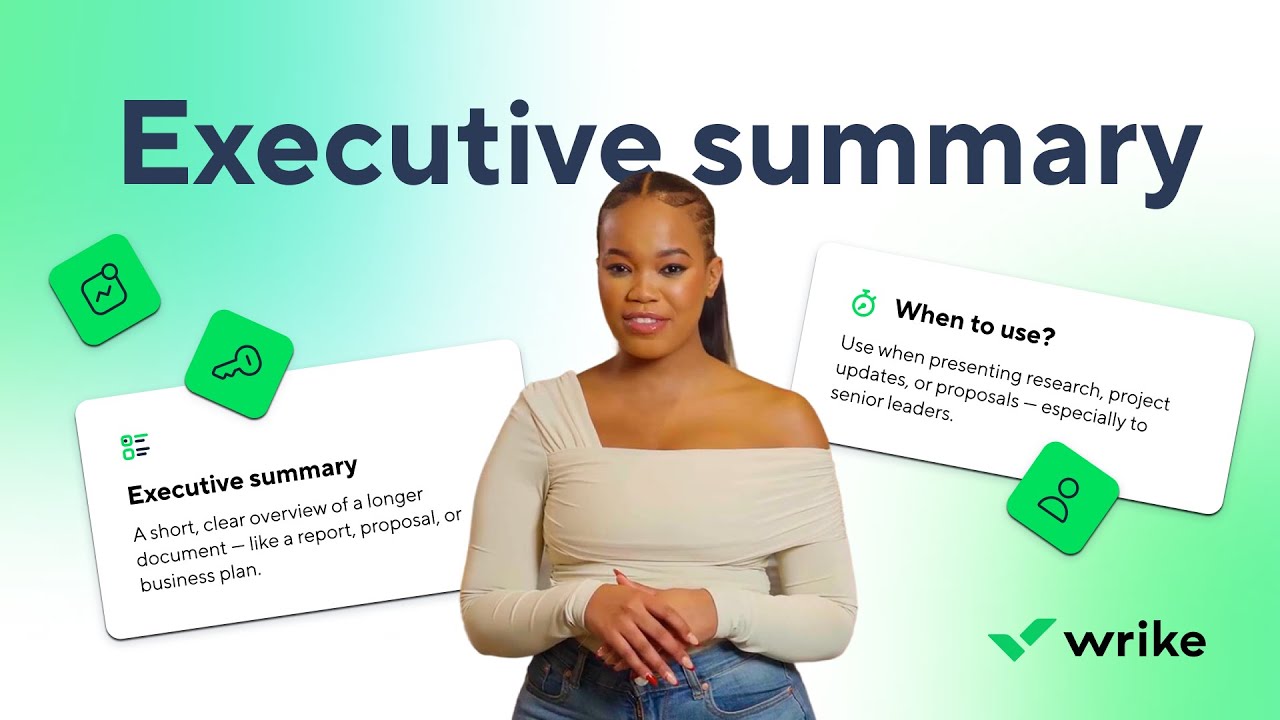
An executive summary is a concise, high-level overview of a longer document, such as a business proposal, project plan, or formal report. Its primary purpose is to distill the most critical information—the problem, the proposed solution, key findings, and expected outcomes—into a format that can be quickly understood by stakeholders and executives. Think of it as an elevator pitch on paper; it must be impactful enough to be read in place of the full document and persuasive enough to make the reader want to know more.
The Core Purpose of an Executive Summary: More Than Just a Summary
The name is misleading. The real purpose of an executive summary isn’t just to summarize; it’s to sell. It’s a strategic tool designed to engage your prospect, save them time, and persuade them to take action. For busy decision-makers, this section is often the only part they read. Therefore, it must provide a clear and compelling case, enabling them to grasp the essence of your proposal and make an informed decision without getting bogged down in details. An effective summary can be the difference between your proposal being approved or ending up in the recycle bin.
Executive Summary vs. Abstract: Understanding the Key Differences for Maximum Impact
While both an executive summary and an abstract provide a condensed version of a larger document, their audience and purpose are fundamentally different. An abstract is typically used in academic and research settings to give a brief, neutral overview of a paper’s content, helping other researchers decide if the full text is relevant to their work.
In contrast, an executive summary is written for a business audience—executives, investors, and stakeholders—with the explicit goal of aiding decision-making. It is persuasive, focuses on recommendations and their business impact, and is written as a stand-alone document that can be understood in its entirety. While an abstract describes, an executive summary persuades.
Who is Your Audience? Tailoring Your Message for Decision-Makers and Stakeholders
Understanding your audience is paramount. The readers of an executive summary are typically high-level leaders who are short on time and focused on the bottom line. They need to quickly understand the relevance and significance of your proposal to the organization’s strategic goals.
Therefore, avoid technical jargon and excessive detail. Frame your message around their priorities: solving a problem, creating value, mitigating risk, or capitalizing on an opportunity. At LIEN MMO, we advise clients to put themselves in the reader’s shoes and answer the question, “What’s in it for me?” This audience-centric approach ensures your summary resonates and achieves its persuasive goal.
The Anatomy of a Winning Executive Summary: Key Elements for Success
A powerful executive summary follows a logical structure, guiding the reader from the problem to the solution and its ultimate impact. While the specifics may vary, a winning format almost always includes these key elements.
How to Start an Executive Summary: Grab Attention with a Powerful Problem Statement
Begin by clearly and concisely defining the problem, need, or opportunity your proposal addresses. This is your hook. A strong problem statement demonstrates that you understand the challenges your audience faces and immediately establishes the relevance of your document. Frame the problem in a way that creates a sense of urgency and makes the reader eager to hear your proposed solution.
Presenting Your Solution: Crafting a Compelling Value Proposition
After identifying the problem, present your solution. This section should clearly articulate what you propose to do and why it is the best course of action. Focus on your unique value proposition—what makes your solution, company, or project uniquely qualified to succeed? Emphasize the benefits and positive outcomes, not just the features, to create a compelling case.
Showcasing Key Findings and Market Analysis to Build Credibility
To build trust and credibility, back up your claims with evidence. Briefly present the most critical findings from your research, data, or market analysis. This could include key statistics, market trends, or insights into the competitive landscape. Highlighting this information shows that your proposal is well-researched and grounded in reality, not just assumptions.
Making Your Case: Actionable Recommendations and Expected Outcomes
Conclude the main body of your summary with clear, actionable recommendations. What specific steps do you want the reader to approve? Following these recommendations, state the expected outcomes. Quantify the impact where possible, focusing on metrics that matter to decision-makers, such as increased revenue, cost savings, improved efficiency, or market share growth.
A Step-by-Step Guide: How to Write an Executive Summary That Sells
Knowing the key elements is one thing; putting them together persuasively is another. Here are best practices and tips for writing an executive summary that truly sells your ideas.
Best Practices for an Effective Executive Summary Format
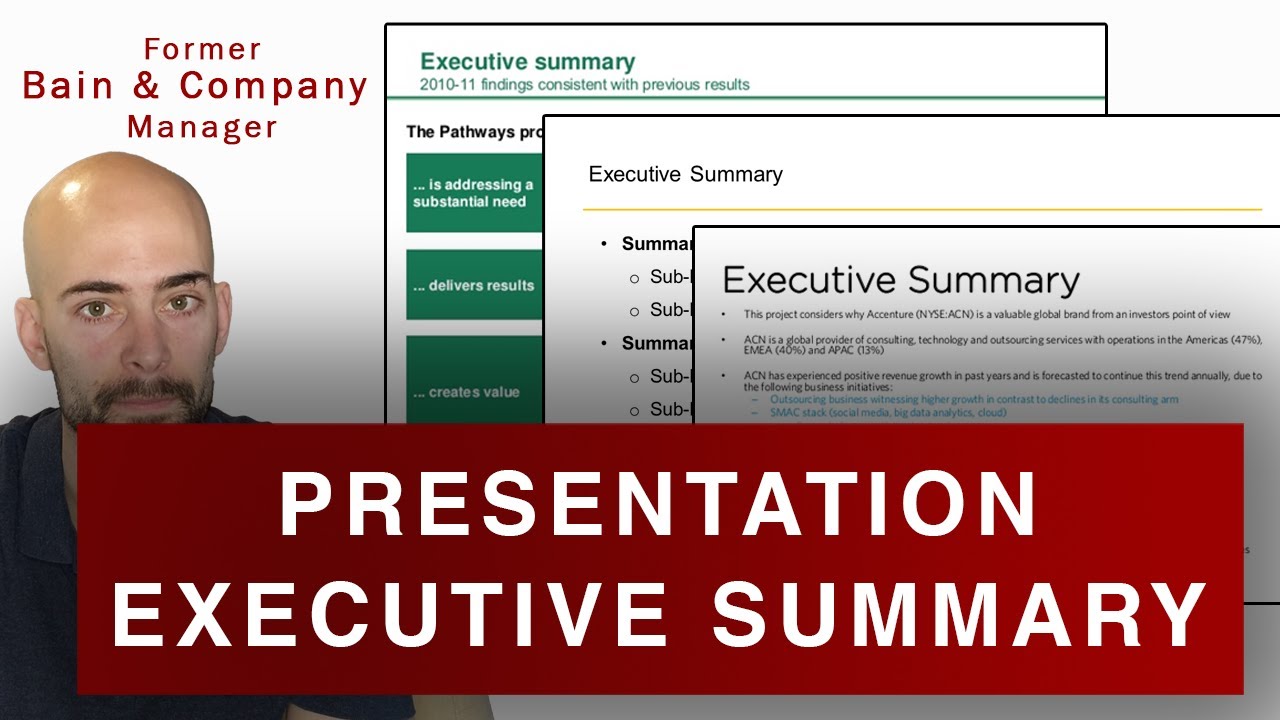
Clarity and readability are crucial. Use a professional and clean executive summary format to make your document easy to scan.
- Use Headings and Subheadings: Break up the text into logical sections (e.g., Problem, Solution, Financial Impact).
- Employ Bullet Points: Use bulleted lists to highlight key findings, benefits, or recommendations for quick comprehension.
- Maintain White Space: Don’t cram the page with text. Ample white space makes the document less intimidating and easier to read.
- Write It Last: Although it appears first, write the executive summary after you have completed the full report. This ensures you have a complete understanding of the content and can accurately distill the most important points.
How Long Should an Executive Summary Be? Finding the Perfect Balance
One of the most common questions is, “How long should an executive summary be?” While there’s no single magic number, the general rule is to be as concise as possible. A good guideline is to aim for 5-10% of the total length of the main document. For most business plans and proposals, this translates to one to two pages. The goal is to provide all essential information without overwhelming the reader.
Writing Tips for a Persuasive and Professional Tone
The tone of your executive summary should be confident, professional, and persuasive.
- Use Strong, Active Language: Opt for active voice over passive voice to create a sense of authority and action.
- Focus on Benefits: Always translate features into tangible benefits for the reader and their organization.
- Be Clear and Concise: Avoid jargon, acronyms, and overly complex sentences. Every word should serve a purpose.
- Proofread Meticulously: Typos and grammatical errors can undermine your credibility. Proofread the summary multiple times, and if possible, have someone else review it.
Incorporating Financial Information and Project Management Details Concicisely
When your proposal involves financials or complex timelines, you must summarize this information effectively. Instead of presenting detailed spreadsheets, highlight the key financial projections, such as total cost, projected ROI, and the break-even point. For project management, mention key milestones, the overall timeline, and the resources required, assuring the reader that the project is well-planned and feasible.
Practical Application: Executive Summary Examples and Templates
Seeing real-world examples can help solidify your understanding. Here, we provide a basic template and discuss how to adapt it for different business documents.
Executive Summary Template for a Business Proposal
This reusable executive summary template can be adapted for most business proposals.
- Introduction/Problem: Start with a compelling statement that defines the client’s core problem or opportunity.
- Proposed Solution: Briefly describe your proposed solution and its unique value proposition. Explain how it directly addresses the problem.
- Why Us?: Briefly state why your company is the best choice for this project. Highlight relevant experience or unique capabilities.
- Key Benefits & ROI: Use bullet points to list the most significant benefits the client will receive. Quantify the return on investment where possible.
- Call to Action: Clearly state the next step you want the reader to take (e.g., “We recommend approving this proposal to begin Phase 1”).
Real-World Executive Summary Examples for a Business Plan and Marketing Plan
Executive Summary Example for a Business Plan: A startup seeking funding for an eco-friendly cleaning product line might open with the growing consumer demand for sustainable products. It would then introduce its unique, plant-based formulas, summarize the target market analysis, highlight financial projections for the first three years, and conclude with the specific funding amount requested.
Executive Summary for a Marketing Plan: A company aiming to increase its software adoption might start by identifying the recent decline in new users. The solution would be a detailed “Revitalize and Engage” campaign. The summary would highlight key strategies (e.g., social media engagement, UI updates), the budget required, and the projected increase in user acquisition and retention rates.
Adapting the Format for a Project Proposal or Formal Report
The core elements remain the same, but the focus shifts slightly for different documents. For a project proposal, the summary emphasizes the project’s objectives, scope, timeline, and the business value it will deliver. For a formal report (e.g., a market survey or environmental study), the summary focuses more on the key findings, analysis, and conclusions drawn from the research.
Mastering the executive summary is not just a writing skill; it’s a strategic advantage. By focusing on clarity, persuasion, and the needs of your audience, you transform a simple document into a catalyst for decision-making. The key elements and best practices outlined provide a clear roadmap to win proposals, influence stakeholders, and drive your projects forward with compelling, actionable insights.
Ready to create an executive summary that truly influences and wins proposals? Download our free, editable Executive Summary Template (Word & PPT Slide) to get started instantly!